Activity
Mon
Wed
Fri
Sun
Apr
May
Jun
Jul
Aug
Sep
Oct
Nov
Dec
Jan
Feb
Mar
What is this?
Less
More
Memberships
NTPICKLEBALL
21 members • $47/month
8 contributions to NTPICKLEBALL

23d •
Night Train Stroop Challenge – 7 Days
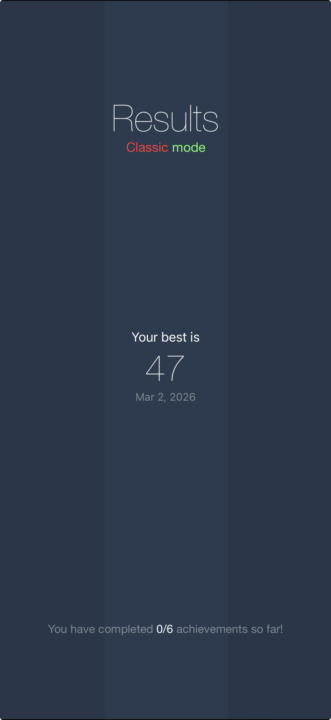
If you want faster hands, sharper reads, and better resets under pressure… this is for you. We’re running a 7-day community competition using the Stroop Effect – Brain Test app. Link to download (iPhone):https://apps.apple.com/us/app/brain-test-stroop-effect/id791503877 Why This Matters The Stroop Effect trains: - Processing speed - Decision speed - Visual recognition under pressure - Brain-to-hand reaction time That’s hand speed. That’s faster recognition at the kitchen. That’s better response when the ball gets sped up on you. We train the body. Now we train the brain. 🔥 How It Works - The challenge runs for 7 days. - Play daily. - Post your highest score of the day in the comments. - We track it publicly. - Highest score at the end of the week wins a prize. Simple. You should post your best score each day so everyone knows: - Who’s in the lead - What score needs to be beaten - Who you’re chasing No sandbagging. No hiding scores. If you beat your own score, update it. 🎯 The Goal This isn’t just about winning. It’s about: - Training faster hands - Training faster recognition - Competing together - Raising the standard inside this community If you say you want better hands, here’s the work. Drop your Day 1 score below and let’s get it started. We are sharing Scott's score as he has been working hard on it for the past few weeks to set the tone for the challenge below. Good luck! Train what doesn't break. Raise your floor.

2 likes • 21d
My highest has been 25, shooting for 30. Update: Upping my game, I just got 31!
2 likes • 16d
I haven't played Stroop in a few days, but set a new record.
Feb 20 •
This Is How You Defend a Lob as a Partnership
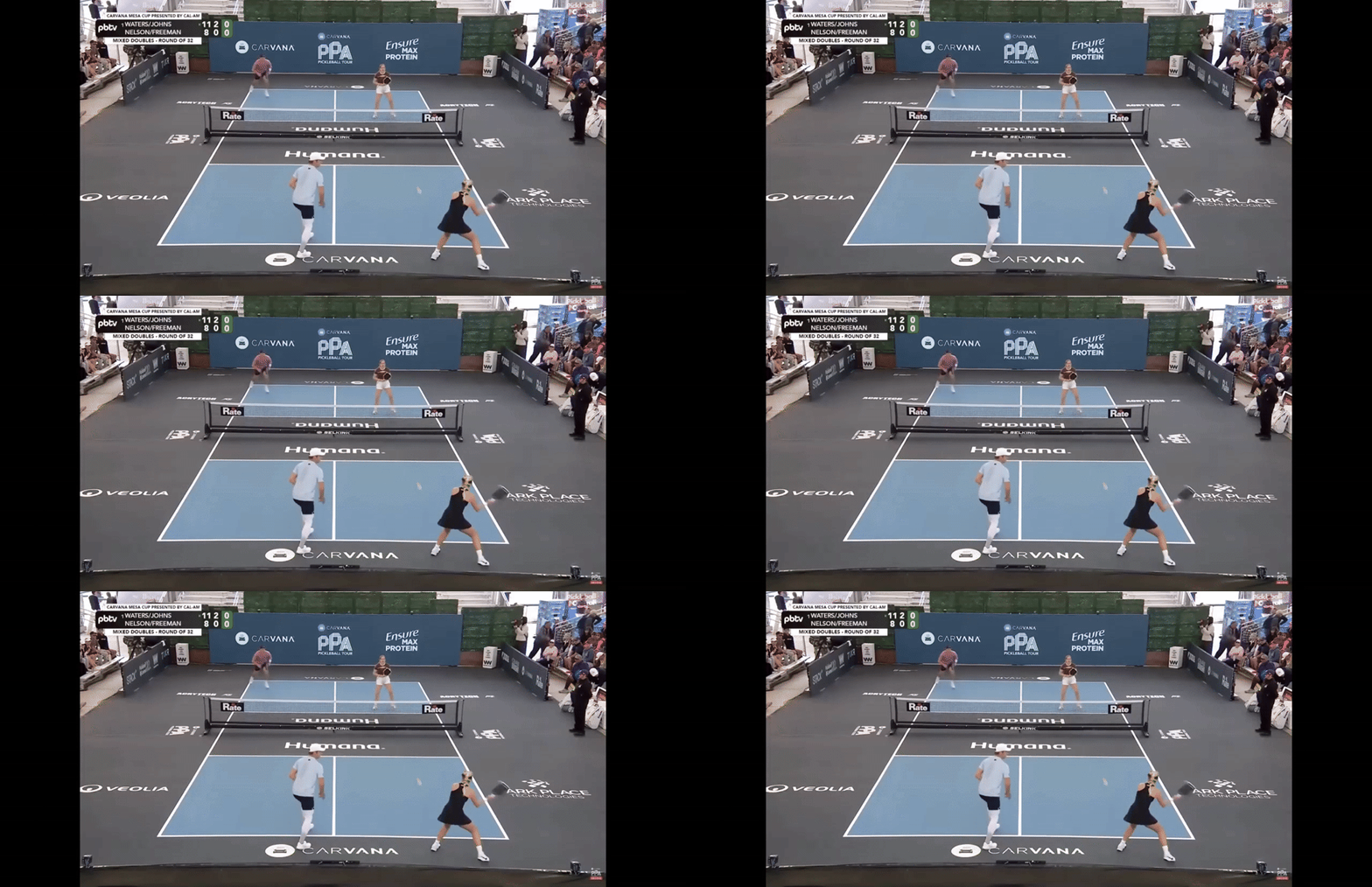
If I was drawing it up on a whiteboard, this is it. Ben Johns and Anna Leigh defend this lob exactly how it should be done. Not flashy. Not frantic. Just correct. Here’s what matters. 1️⃣ Immediate Recognition Nelson goes over Anna Leigh’s head. It’s late. She doesn’t hesitate.She doesn’t backpedal into chaos. She turns and switches immediately. No drama.No confusion.Just recognition and movement. That’s communication without talking. 2️⃣ The Switch Happens Instantly Anna Leigh crosses.Ben goes back. Clean exchange. But here’s the detail most players miss: After she switches, she doesn’t just face the net and wait. She turns and watches Ben. That’s partnership awareness. She’s reading what he’s about to do so she can respond to the next ball. 3️⃣ Ben Doesn’t Get Desperate This is the part most players blow. He’s moving backward.Under pressure.Out of position. And what does he do? He drops it. He doesn’t: - Try to drive it - Panic lob it back - Speed it up out of frustration He drops it.And keeps working forward. That’s discipline. That’s how you neutralize instead of explode. He missed the final one — but the decision was right. Textbook Lob Defense If you want to practice this in your own matches this week, focus on: - Immediate recognition - Early switch - Clear lane for your partner - Drop first, recover second - Work your way back to the line Most teams lose lob points because of confusion. Great teams lose them because the opponent hit a great shot. There’s a difference. You’re not just defending a lob. You’re protecting court position and buying time. That’s Match IQ in real time. Drop a comment in Skool: When a lob goes over your head — do you switch early, or do you hesitate? Train what doesn't break. Raise your floor.
0 likes • 30d
Lets practice this!
Feb 11 •
Anticipation Isn’t JUST Instinct. It’s Trainable.
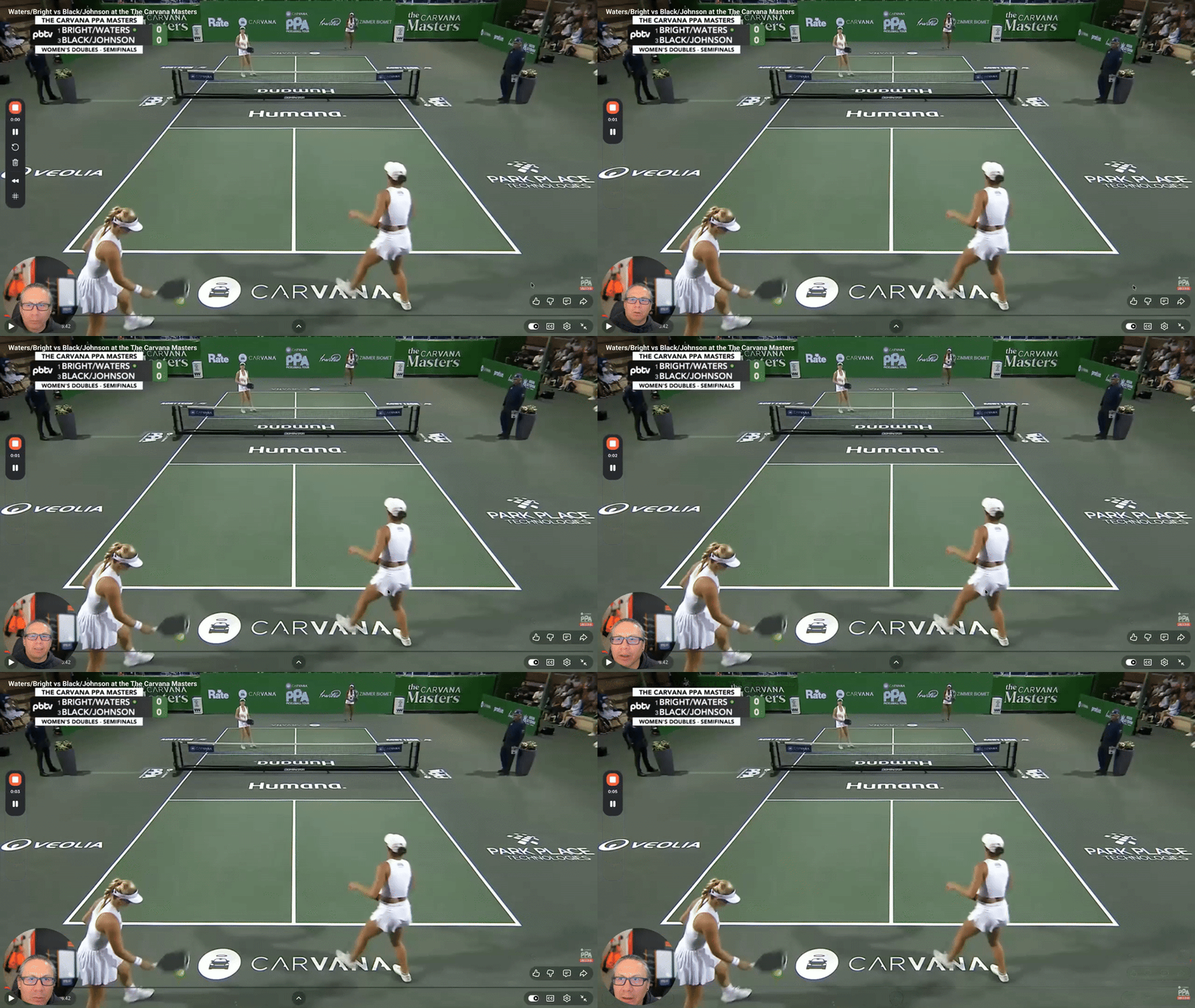
One of the biggest separators between rec play and high-level play? Reading the next shot. In this clip from a recent PPA pro match, watch how Anna Bright and Anna Leigh Waters shift together—over and over—based on one simple principle: Forehand to forehand. Backhand to backhand. They aren’t guessing. They’re reading the paddle and moving before the ball is hit. This is anticipation—and it shows up in: ✅ Drives ✅ Dinks ✅ Overheads ✅ Even thirds Most 3.5–4.0 players just hit and hope. But the moment you start reading patterns, the game slows down. This week, start paying attention to this on court: When they hit with their forehand, where does it land? When they hit with their backhand, where does it go? Start training your eyes like your hands. 🎯 Drop a comment below if this changes the way you look at your opponent’s paddle. Let’s build your anticipation game, one rep at a time. Train what doesn't break. Raise your floor.
1 like • Feb 12
Sometimes I wish our play could go at 50% speed so I could read these things better (haha). I am happy to hear that reading the ball can be trained. Great observation that I will try to put to practice.
Feb 6 •
PB Vision: Why You Should Start Using It Now
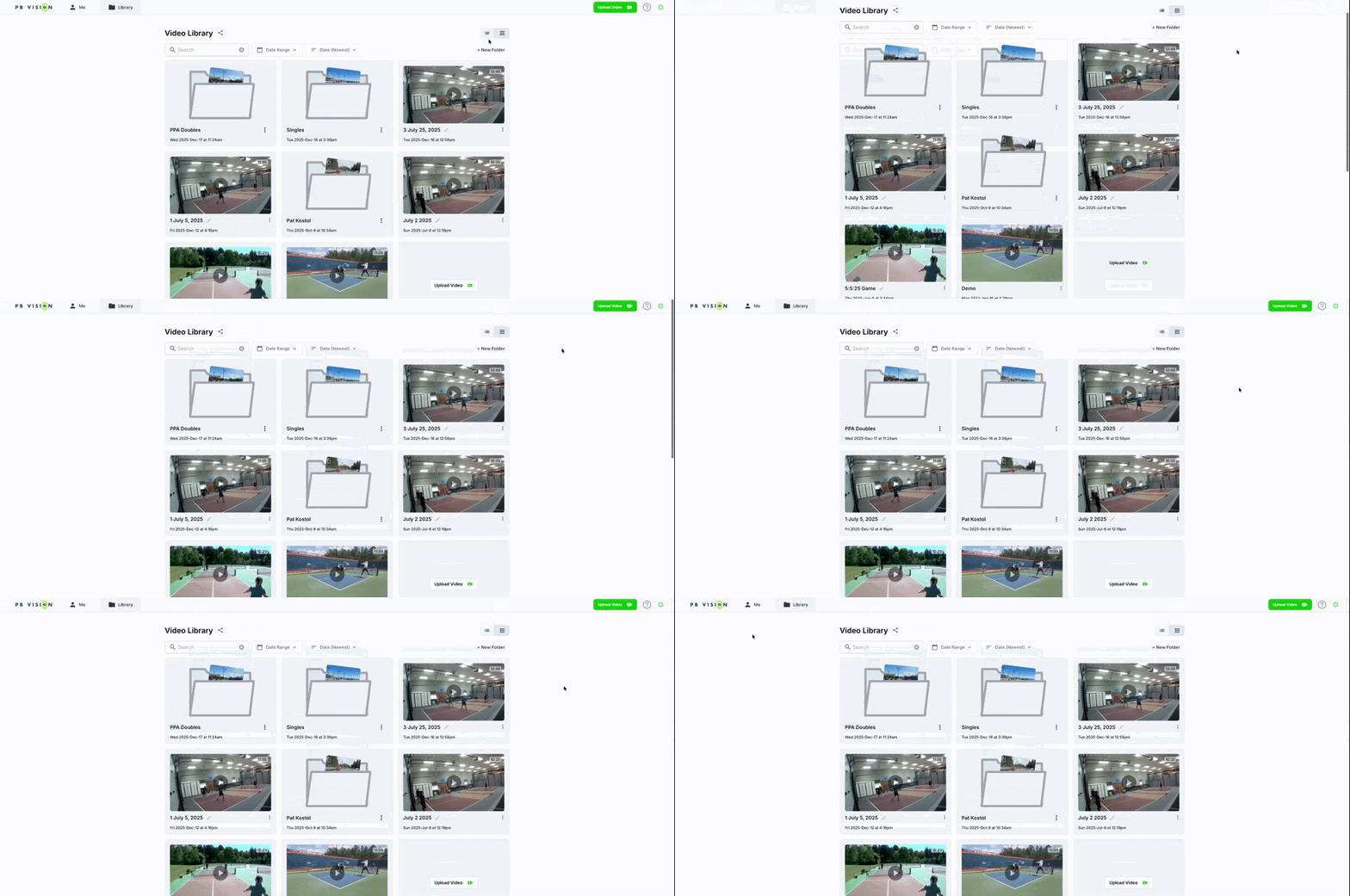
Quick reminder—if you're a Night Train student, you already have access to PB Vision. No extra cost. I’ve got the account set up and it’s already helping shape what we coach. Here’s what it does: - You send in a match video (just let me know—I'll send you a Dropbox link). - I upload it to PB Vision. - A few hours later, we get a full breakdown of your game: It breaks every shot down. Color-coded. Clean. And only your shots—no confusion with your partner’s game. Example:Pat’s data showed solid consistency and good defense, but her returns and serve depth were keeping her score lower than it should be. Now we’ve got 3 things to work on. Clear and simple. This is coaching that shows you where your game is breaking down. No guessing. 🎯 Want a folder? DM me or drop a comment and I’ll send your Dropbox link. Train what doesn’t break. Raise your floor.
1 like • Feb 9
Hi Thomas, could you send me a link to drop the video in. I plan to take video of myself, Sheryl, Serena, and Melody tonight. Is it possible to run an evaluation for each of us?
1 like • Feb 9
Yes, this sounds great. If I am filming a one hour session, should I edit the video to just include one game for the submission.
Feb 4 •
🎥 Video Breakdown: Middle Ball & Movement Cues
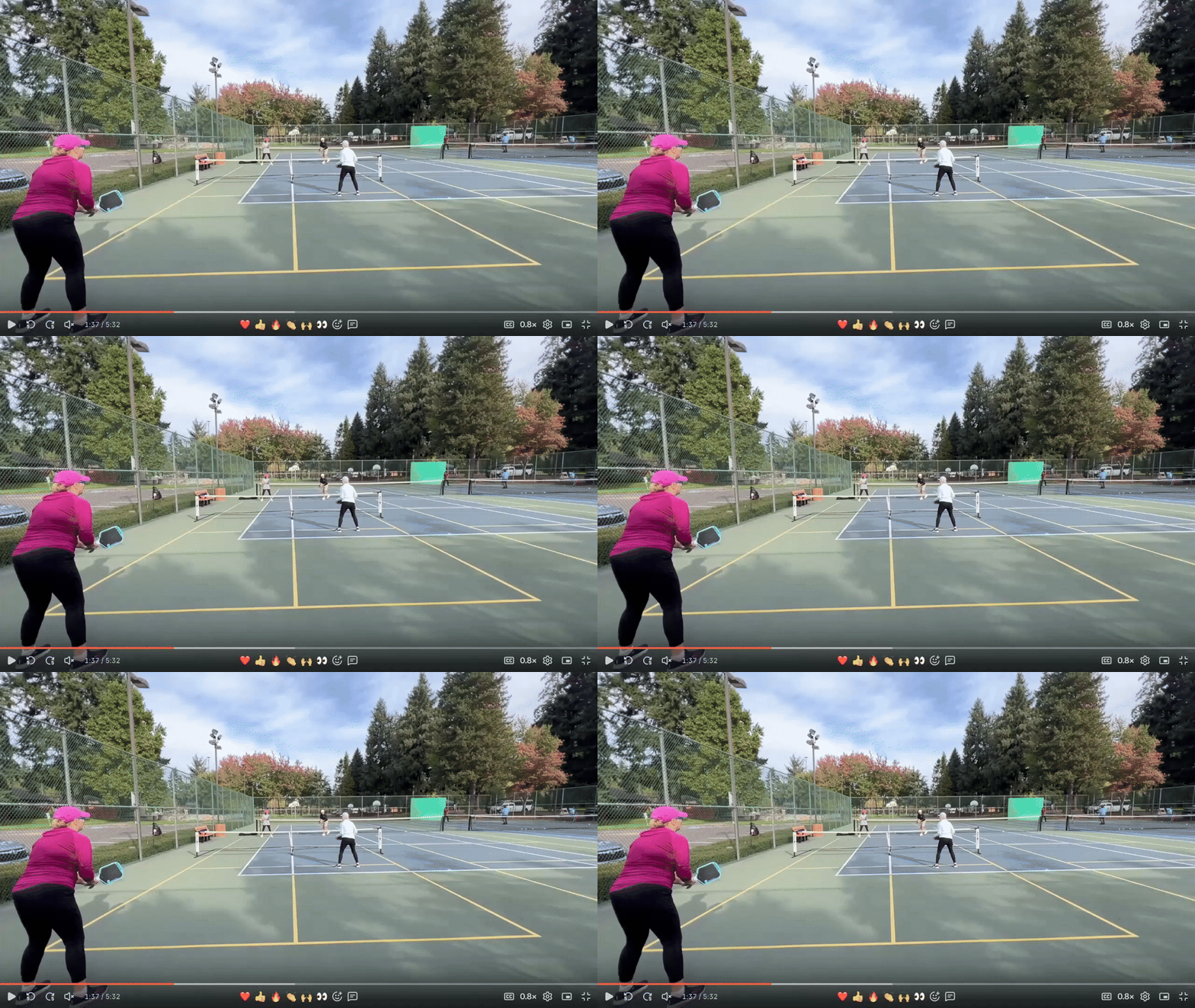
Let’s take a closer look at a recent clip from one of our students, Pat. She’s returning serve, her partner is at the kitchen line, and we’ve got a righty-lefty combo on the other side. A couple key moments worth breaking down as a group. Here’s what we want you to watch and comment on: 🔹 Question 1:The ball is returned clean and lands middle — between two opponents.Both freeze. Both look at each other. Neither takes the shot. Who should take that middle ball, and why? Righty? Lefty? Paddle positioning? Decision-making?Drop your take in the comments. 🔹 Question 2 (Bonus Breakdown):After hitting her return, Pat slows down instead of running to the line. She’s watching her shot instead of finishing her route. By the time the next shot is hit, she’s still moving-now late and off-balance. When should a player stop if they’re not going to make it to the line in time?What’s the right move in that moment? Let’s hear what you see. Watch the clip. Then answer both in the comments below. → Who should take the middle ball? → When should Pat have stopped? Train what doesn’t break. Raise your floor. – Coach Thomas
1 like • Feb 4
I think that the player on the right should get that ball because she is set and ready, Pat is still moving up to the line and not in a good position to take the ball.
1-8 of 8

@heidi-cuddeford-4991
I have been enjoying the game of pickleball since 2021
Active 15d ago
Joined Nov 24, 2025
Powered by