Activity
Mon
Wed
Fri
Sun
Aug
Sep
Oct
Nov
Dec
Jan
Feb
Mar
Apr
May
Jun
Jul
What is this?
Less
More
Memberships
The Hiker
210 members • $2/month
Japanese in Real Life
25 members • $7/month
Gundam Card Game Fans
6 members • Free
Skool Japan Language & Travel
154 members • $18/month
Anime and Manga Club
38 members • Free
HI
Hiking in Japan
26 members • Free
JQ™ Japan Pro
138 members • $67/month
Japanese Language Learners
396 members • Free
5 contributions to Japanese in Real Life

Jan 26 •
✅ Answer Key & Explanations Quizzes 1-4
✅ Answer Key & Explanations Practice Quizzes 1–4 ✅ Practice Quiz 1 🌟 Katakana Answer Key & Explanations Katakana is mainly used for foreign loanwords, especially food, technology, and modern items. 1️⃣ コーヒー → coffeeExplanation: A loanword from English. The long dash ー shows a longer vowel sound. 2️⃣ アイスクリーム → ice creamExplanation: Written to match Japanese pronunciation (ai-su ku-ri-i-mu). 3️⃣ コンピューター → computerExplanation: Another English loanword. Katakana helps show it is foreign. 4️⃣ ジュース → juiceExplanation: Commonly used in Japan for juice and soft drinks. 5️⃣ ピザ → pizzaExplanation: Katakana is used because pizza is not a traditional Japanese word. Related lesson:Katakana basics & loanwordshttps://www.skool.com/japanese-in-real-life-1835/classroom/3b36b808?md=c589eefc75744bdc9ed0d3c76251d9e9 ✅ Practice Quiz 2 🌸 Hiragana Answer Key & Explanations Hiragana is used for native Japanese words, basic vocabulary, and greetings. 1️⃣ あさ → morningExplanation: A common everyday word written in hiragana. 2️⃣ こんにちは → hello / good afternoonExplanation: A standard daytime greeting. 3️⃣ ねこ → catExplanation: A basic noun often taught early. 4️⃣ おはよう → good morningExplanation: Casual form. (Polite: おはようございます) 5️⃣ さようなら → goodbyeExplanation: Used for longer or more final goodbyes. Related lesson:Hiragana reading & daily wordshttps://www.skool.com/japanese-in-real-life-1835/classroom/1102cc0a?md=050717b3c1dd4fecb9e9889ccf9b1f57 ✅ Practice Quiz 3 🔢 Numbers in Japanese Answer Key & Explanations Japanese numbers are logical and used constantly in daily life.

2 likes • Jan 26
The quizzes are good! Its a nice bite sized review and small enough to absorb quickly for new info. I love the explanations in the answer key.
Jan 22 •
Understanding Japanese Particles: The Secret to Speaking Naturally
If you’re learning Japanese, you’ve probably noticed small words like は (wa), が (ga), を (o), に (ni), で (de) popping up everywhere. These are called particles, and they are one of the most important parts of Japanese grammar. Think of them as little markers that show how words relate to each other in a sentence. What Are Particles? Particles are tiny words that come after a noun, verb, or phrase. They might look small, but they change the meaning of the sentence completely. For example: - わたしは学生です。 (Watashi wa gakusei desu.) — “I am a student.” - わたしが学生です。 (Watashi ga gakusei desu.) — “I am the student.” Just a small change from は to が changes the focus of the sentence! Some Basic Particles You Should Know Here are some common particles and how they are used: - は (wa) — Topic marker: “as for …” - が (ga) — Subject / focus - を (o) — Direct object - に (ni) — Direction, location, or time - で (de) — Place of action or means - と (to) — And / with - の (no) — Possessive or modifier - も (mo) — Also / too Why Particles Matter Without particles, Japanese sentences sound incomplete or confusing. They show who is doing what, where, when, and with whom. Once you start noticing and practicing particles, you’ll be able to: - Understand Japanese sentences faster - Speak more naturally - Make fewer mistakes Quick Tip Start with the basics like は, が, を, に, で and practice them in simple sentences. Once you’re comfortable, you can move on to more advanced particles like から, まで, より, だけ, さえ, ものの. Want More? https://www.skool.com/japanese-in-real-life-1835/classroom/30cf65f0?md=a50f72a247e24706a1bfbe4bdde2f3ef
1 like • Jan 22
So simple, but really a hard concept to fully understand. It is one of those things that come naturally at some point, but when you are trying to construct sentences it can be cumbersome.
Jan 16 •
Japanese in Real Life: Train Etiquette in Japan (with Useful Language)
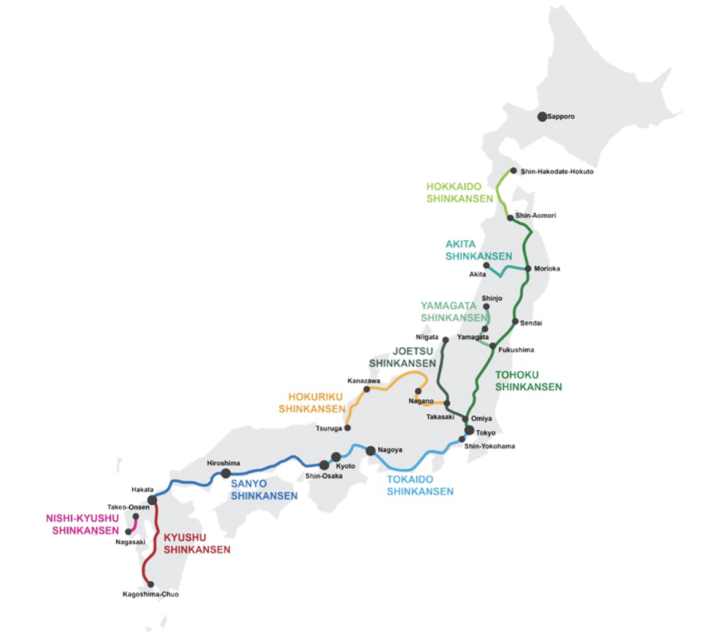
Trains are a part of everyday life in Japan. They are clean, punctual, and usually quiet. Knowing basic train etiquette—and a few key Japanese phrases—will help you feel confident and avoid uncomfortable situations. 🚆 Basic Train Etiquette in Japan ✅ What to Do 1. Line Up ProperlyStand in line at the platform markings and wait for passengers to exit before boarding. 2. Keep Your Voice LowQuiet conversation is okay, but speaking loudly is considered rude. 3. Put Your Phone on SilentSet your phone to マナーモード (manā mōdo) – silent mode. 4. Offer Priority SeatsPriority seats are for: - Elderly people - Pregnant people - People with disabilities - People with small children 5. Wear Your Backpack on the Front or Put It DownThis helps avoid hitting others in crowded trains. ❌ What NOT to Do 1. Don’t Talk on the PhonePhone calls are strongly discouraged on trains. 2. Don’t Eat or Drink (Usually)Eating is generally avoided, except on long-distance trains like the Shinkansen. 3. Don’t Block the DoorsMove inside the car quickly after boarding. 4. Don’t Spread OutAvoid sitting with legs wide or using extra seats for bags. 🗣️ Useful Japanese Language on Trains 📢 Announcements You’ll Hear - 次は〜です。Tsugi wa ~ desu.→ “Next stop is ~.” - ドアが閉まります。Doa ga shimarimasu.→ “The doors are closing.” - ご注意ください。Go-chūi kudasai.→ “Please be careful.” 🙏 Polite Phrases to Use - すみませんSumimasen→ Excuse me / Sorry (very useful) - ありがとうございますArigatō gozaimasu→ Thank you (polite) - 大丈夫ですDaijōbu desu→ “I’m okay” (use when refusing a seat) 💺 Offering or Refusing a Seat - どうぞDōzo→ “Please” (when offering a seat) - 座ってくださいSuwatte kudasai→ “Please sit.” - 大丈夫です、ありがとうございますDaijōbu desu, arigatō gozaimasu→ “I’m okay, thank you.” 🌱 Real-Life Tip If you’re unsure what to do, watch what Japanese passengers do. Quiet behavior, awareness of others, and simple politeness go a long way. 🚉 Final Thought Train etiquette in Japan is based on consideration for others. You don’t need perfect Japanese—just calm behavior and a few polite phrases will help you fit in smoothly.
2 likes • Jan 17
Japanese trains are great. Densha ga daisuki desu
Jan 15 •
A Simple Guide to Using Japanese Numbers in Real Life (Course Preview)
Japanese numbers are easy to learn, but how you use them depends on the situation. Once you understand the basics, you’ll start noticing numbers everywhere—restaurants, shops, trains, and daily conversations. https://www.skool.com/japanese-in-real-life-1835/classroom/5b4ed240?md=80b3936ce99a43b3a855bec2f6ba6fa0 Basic Numbers (1–10) - 1 一(いち / ichi) - 2 二(に / ni) - 3 三(さん / san) - 4 四(よん / yon) - 5 五(ご / go) - 6 六(ろく / roku) - 7 七(なな / nana) - 8 八(はち / hachi) - 9 九(きゅう / kyū) - 10 十(じゅう / jū) Numbers in Real Life: Counters Matter In Japanese, numbers often change depending on what you’re counting. These are called counters. People - 一人(ひとり / hitori)– one person - 二人(ふたり / futari)– two people - 三人(さんにん / san-nin)– three people At restaurants, you’ll often hear: - 何名様ですか? (Nan-mei sama desu ka? – How many people?) - 二人です。 (Futari desu. – Two people.) Time - 一時(いちじ / ichi-ji)– 1 o’clock - 三時(さんじ / san-ji)– 3 o’clock Money - 100円(ひゃくえん / hyaku-en) - 1,000円(せんえん / sen-en) A Useful Tip You don’t need to master all counters at once. Start with: - 人(people) - 円(money) - 時(time) Japanese people are very understanding, and using the correct number—even imperfectly—goes a long way. Learning numbers isn’t just counting; it’s learning how Japanese is actually used in daily life.
0 likes • Jan 15
I have never found a good explanation of when to use Yon/Shi and Shichi/Nana. In the american dojos that I have been in it is always shi and shichi for 4 and 7 when counting.
Jan 12 •
[START HERE] Welcome to Japanese in Real Life
Welcome! We’re glad you’re here. This community is for people who want to use Japanese confidently in real life — not just study grammar or memorize vocabulary. If you’re coming from Japanese Lessons with Native Teachers on Facebook, this is the next step: a more structured space with clearer guidance, practical lessons, and ongoing support from native teachers. 🎯 What This Community Is About Inside this group, we focus on: - Japanese as it’s actually spoken - Practical phrases for daily life, travel, and work - Building speaking confidence - Clear explanations from native teachers - Steady, realistic progress Short lessons, real examples, and usable Japanese — no fluff. 🧭 How to Use This Community - Check in regularly for new lesson topics and practice prompts - Ask questions — no question is “too basic” - Practice actively (even short answers are valuable) - Learn from both teachers and other learners Consistency matters more than perfection here. ✅ Start Here (Important) Please reply to this post and introduce yourself: 1. Your current Japanese level (beginner / intermediate / other) 2. Why you’re learning Japanese 3. One situation where you want to use Japanese more confidently This helps us shape lessons around real member needs.
2 likes • Jan 13
Thank you for making this community. I have very basic Japanese but I would like to expand on it and possibly one day get to something of a conversational level. I have been to Japan and plan to return. I am also a fan of martial arts and anime.
1-5 of 5
@harry-lewis-3165
Florida native, machinist, stage director, business owner
Active 7h ago
Joined Jan 13, 2026