Activity
Mon
Wed
Fri
Sun
Aug
Sep
Oct
Nov
Dec
Jan
Feb
Mar
Apr
May
Jun
What is this?
Less
More
Memberships
The Watch Manual
32 members • Free
2 contributions to The Watch Manual

14d •
Where are we up too?
Given that we,ve lived for 50 years with the 2824 and all the offshoots What dose say a Tudor MT5400- Mt5602-U bring to the table?

May 27 •
The Genesis of the Wristwatch: from Queens to Soldiers
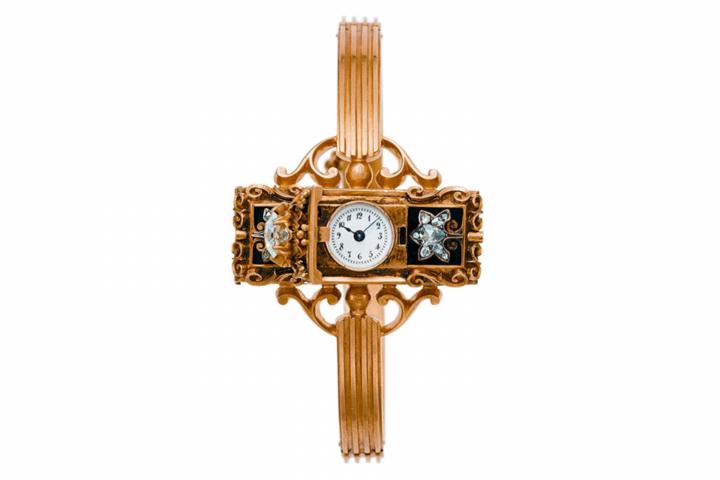
The wristwatch is so ubiquitous today that it is easy to forget it was once a radical and even eccentric idea. For centuries, portable timekeeping meant pocket watches — elegant, precise instruments carried in a waistcoat or attached to a chain. The concept of strapping a watch to the wrist was long considered impractical, fragile, and somewhat effeminate. Yet within a few decades, the wristwatch would completely eclipse its pocket predecessor. Its genesis is a story of royal commissions, technical daring, and cultural shifts. The Earliest Precursors References to “bracelet watches” appear sporadically before the 19th century, but they are largely anecdotal or refer to pocket watches adapted with straps. A famous but unverified story claims that Queen Elizabeth I of England received a small watch attached to her bracelet as a gift in the late 16th century. Similar mentions surface in the 17th and 18th centuries, including recorded commissions by Jacquet-Droz & Leschot around 1790. However, none of these early examples survive, and most historians regard them as adaptations of existing pocket watches rather than purpose-built wristwatches. The true birth of the wristwatch as a deliberate design concept occurred in the early 19th century. Breguet and the First Documented Wristwatch In 1810, the legendary Swiss-French horologist Abraham-Louis Breguet received a remarkable commission. The client was Caroline Murat, Queen of Naples and sister of Napoleon Bonaparte. On 8 June 1810, she ordered from Breguet’s workshop in Paris a “repeater watch for the wrist” — a montre-bracelet with quarter-hour repeating mechanism. The watch was delivered in December 1812. It featured an oval case, extremely thin movement, and was mounted on a delicate bracelet. This piece, recorded in Breguet’s own archives as No. 2639, is universally recognized by serious horological historians as the first documented wristwatch in history specifically conceived and constructed to be worn on the wrist.
1 like • May 28
Love it so informing
1-2 of 2