Activity
Mon
Wed
Fri
Sun
May
Jun
Jul
Aug
Sep
Oct
Nov
Dec
Jan
Feb
Mar
What is this?
Less
More
Owned by Chris
This group is for people who want to learn how to better diagnose vehicles. The main goal is provide education about everything to do with vehicles.
Memberships
Skoolers
192k members • Free
17 contributions to AutoTechTools.ca

13d •
🎉 Welcome to AutoTechTools — SO glad you’re here!
A huge thank you to all our new members who have recently joined the community! It means a lot to have you here, and I’m genuinely excited to see what we’re going to build together. Before we dive in, I’d love to get to know you a little better! Drop a comment below and tell us: 👤 Who are you & what do you do? 🔧 What’s your background with vehicles? 🎯 What are you hoping to get out of this community? There are no wrong answers — whether you’re brand new to the industry or a seasoned pro, you belong here and your perspective adds value to this group. Welcome to the family! 🙌
0
0
29d •
Case Study- Intermittent Misfire - 2012 Dodge Charger SRT8
Advanced Diagnostic Case Study: Intermittent Misfire With No Clear Cause Here’s an interesting diagnostic situation that highlights why pattern recognition matters. Vehicle came in with a complaint of: • Roughness during light throttle cruise • No noticeable misfire at idle • Engine ran smooth during heavy acceleration • Occasional P0300 random misfire code Initial checks looked normal. Ignition components were good: - spark plugs inspected - coils tested - injector balance looked normal Fuel pressure was within specification. At first glance this looked like a classic ignition or fueling issue. But the pattern didn’t match. Step 1 – Identify When the Misfire Occurs Misfire counters on the scan tool showed something unusual. One cylinder accumulated misfires only during light cruise conditions. Not idle. Not heavy load. This pattern is important. Spark problems usually appear under load. Fuel problems often appear across multiple conditions. This suggested something mechanical. Step 2 – Mechanical Testing Compression test showed acceptable numbers. However, compression tests can miss certain valvetrain problems. Next step was observing valve lift. After further inspection, the problem was discovered. Root Cause One camshaft lobe had excessive wear. At idle the valve still opened enough to maintain combustion. At high RPM the valve followed the cam profile due to inertia. But at mid-range RPM the valve lift was insufficient. That reduced airflow just enough to cause a misfire. Diagnostic Takeaway When misfires occur only in specific operating ranges, consider: • valve train wear • cam lobe damage • valve spring issues • restricted airflow Not every misfire is spark or fuel. Sometimes the problem is breathing. Question for the group What’s the strangest root cause you’ve found behind a misfire? Broken valve spring? Worn cam? Collapsed lifter? These weird ones are always the best learning experiences
0
0
Mar 2 •
🔧 Lesson: How to Diagnose a Misfire Without Guessing
Misfires get replaced. They don’t get diagnosed. A lot of techs jump straight to: • Spark plugs • Coils • Injectors Sometimes that works. Sometimes it wastes time. Here’s a better approach. Step 1 – Identify the Type of Misfire Ask: - Is it constant or intermittent? - Idle only or under load? - One cylinder or random? The pattern matters more than the code. Step 2 – Separate Spark, Fuel, and Mechanical Every misfire falls into one of three categories: • Spark problem • Fuel problem • Mechanical problem Your job is to isolate which system is failing. 🔹 Spark Suspect? Misfire under load? Start by checking: - Plug condition - Coil output - Secondary ignition (if applicable) Swapping components between cylinders is a fast isolation method — but confirm with data if possible. 🔹 Fuel Suspect? Misfire at all RPM ranges? Check: - Injector pulse - Fuel pressure under load - Fuel trims A lean condition can trigger misfires without setting a fuel code. 🔹 Mechanical Suspect? Low compression Burnt valve Timing issue If the misfire doesn’t respond to spark or fuel swaps, stop guessing and test compression or relative compression. Shop Reality In flat rate: Replacing 3 parts before testing kills profit. On certification exams: The correct answer usually follows diagnostic order — not “replace the part.” Process wins. Quick question: What’s the most common misfire cause you’ve seen lately — ignition, fuel, or mechanical? Let’s compare shop patterns.
0
0
Feb 25 •
Think in Systems, not just Parts
Most techs diagnose components. Strong techs diagnose systems. Fuel issue? Don’t just test the injector. Test delivery, pressure, airflow, feedback and circuits. Electrical issue? Don’t just test the motor. Test the circuits, ground, harness. Start thinking in systems, not parts. The amount of times I have seen perfectly good parts replaced incorrectly due to misdiagnosis would blow your mind. As you go through your apprenticeship, you will learn more about these systems, but I break them down more in my online study guides at autotechtools.ca . What systems do you struggle with most?
0
0
Feb 18 •
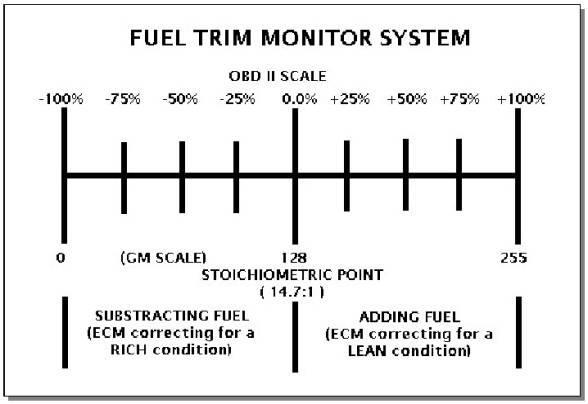
Fuel Trims
Positive fuel trim = ECU adding fuel → lean condition. Negative fuel trim = ECU removing fuel → rich condition. But don’t stop there. Check: • Idle vs load • Short-term vs long-term • O₂ switching speed • Maf sensor readings • Coolant temp sensor readings Pattern > single number. There’s always a reason for erratic readings. More deep dives inside AutoTechTools. 📘 https://autotechtools.ca 👥 https://www.skool.com/vehicle-repair-4221/about?ref=7b47cfbaf93a43b59eb7d155812f7013 Fuel trims ever confuse you?
1-10 of 17

@chris-compton-3392
Redseal Automotive service technician 5+ years. Built and operated successful repair shop for 5 years. Heavy duty technician Hino Canada
Active 3d ago
Joined Jan 4, 2026