Activity
Mon
Wed
Fri
Sun
Aug
Sep
Oct
Nov
Dec
Jan
Feb
Mar
Apr
May
Jun
What is this?
Less
More
Memberships
The Watch Manual
32 members • Free
2 contributions to The Watch Manual

Mar 7 •
The Bucherer Deal with Rolex: what's in it?
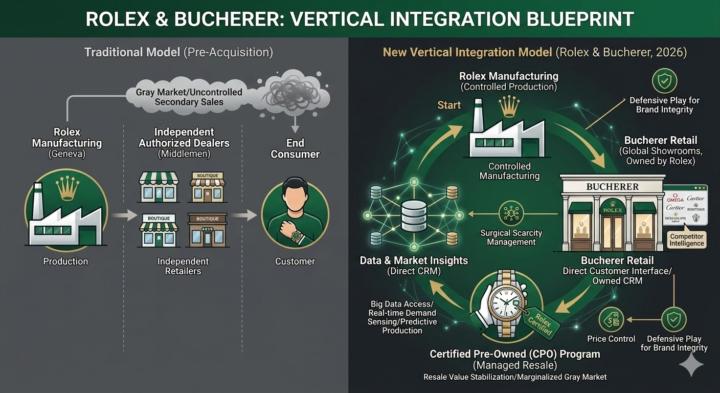
The Rolex acquisition of Bucherer isn't just a corporate merger; it’s a complete takeover of the "watch lifecycle." For decades, Rolex was essentially a manufacturer that handed off its products to middlemen. By 2026, that wall has come down. Rolex has moved from the factory floor directly into the retail space, and the implications for the market are massive. Grey Market Blues The biggest shift is in how we handle used watches. Before this deal, the secondary market was a bit like the Wild West—gray market dealers and private flippers set the tone. Now, with the Certified Pre-Owned (CPO) program fully integrated into the Bucherer network, Rolex is effectively the judge, jury, and executioner of its own resale value. They aren't just selling you a watch; they are managing its value from the moment it leaves the assembly line until it gets traded back in ten years later. This stabilizes prices and, frankly, makes life much harder for unauthorized dealers. Own the Client Profile Then there’s the "Big Data" aspect. Rolex used to be somewhat blind to who was actually wearing their watches because the independent retailers held all the customer info. Now, Rolex owns the CRM of the world’s largest watch retailer. They know exactly who is buying what and when. This allows them to be surgical with their production—no more guessing what the market wants. They can see the demand in real-time and adjust the "scarcity" dial as they see fit. Market Intelligence Gathering The most interesting part of the deal is the "frenemy" situation. Bucherer still sells Omega, Cartier, and Patek Philippe. It’s a genius move because it keeps the stores as high-traffic destinations for all collectors, not just Rolex fans. But it also means Rolex is now the landlord for its biggest competitors. They get a front-row seat to see exactly how many Speedmasters or Tanks are moving, which gives them a tactical advantage that no other manufacturer can claim. What's in for Rolex? Ultimately, this was a defensive play for brand integrity. Rolex realized that in a world of online transparency and shifting markets, they couldn't leave their reputation in the hands of third parties. By owning the retail experience, they ensure that the "Rolex dream" stays exactly how they want it—controlled, premium, and predictably expensive.

0 likes • Apr 29
But Bucherer is just one reseller, ok perhaps an important one. But what happens to all the other independent shops. Does Rolex stop serving them?
Apr 27 •
What happened to Jaquet Droz
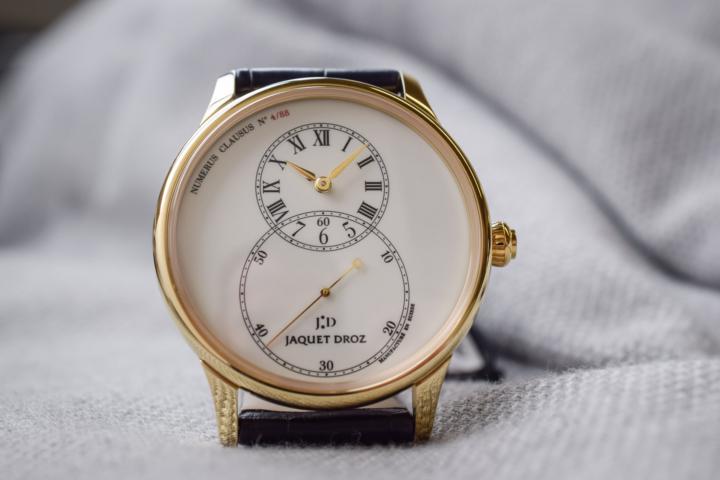
15 years ago I almost bought a Jaquet Droz. I like their simplistic enamelled dials. Today this is all gone in favour of multicoloured dragons and bird motives. Yes those look quite nice but never ever would I buy such a piece. Was there a distinct reason to give up the former lines?
1-2 of 2
Active 9h ago
Joined Apr 26, 2026
Hin Lek Fai