Activity
Mon
Wed
Fri
Sun
Mar
Apr
May
Jun
Jul
Aug
Sep
Oct
Nov
Dec
Jan
Feb
What is this?
Less
More
Memberships
Brainz Magazine Publicity & PR
5.4k members • Free
ME Healing Hub
1.2k members • Free
Queen of Millions
159 members • Free
The Broadcast Room
1.9k members • $27/m
2 contributions to ME Healing Hub

Aug '25 •
The Science of Ocean Breathing
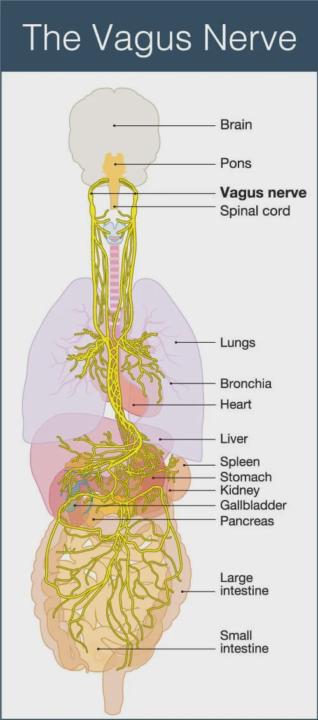
The Calming Science of Ocean Breathing 🌊 In week one of our Breathe Into Being Challenge, we’re wrapping up the three categories of breathwork — Coffee(energizing), Water (balancing), and Milky (soothing) — with one of my favorite techniques: Ocean Breathing paired with a 4x8 rhythm. You may have heard of this as Ujjayi in yoga. Ocean breathing creates a gentle constriction at the back of the throat, producing a soft wave-like sound — like you’re listening to the tide in your own body. It’s simple, subtle, and incredibly powerful. Why Ocean Breathing Works 1. Slows Your Breathing RhythmThe steady, extended exhale lengthens the pause between breaths, sending a clear signal to your brain and body: We are safe. This activates your parasympathetic nervous system — the “rest and digest” mode — shifting you out of stress. 2. Balances Oxygen & CO₂ LevelsA longer exhale gently raises carbon dioxide levels in your blood. This is not only safe, but essential for optimal oxygen delivery to your tissues. It also trains your body to be more comfortable with slower breathing patterns. 3. Massages the Diaphragm & Core MusclesUnlike shallow chest breathing, ocean breathing engages your diaphragm — the dome-shaped muscle beneath your ribs. This eases strain on your shoulders and neck, improves posture, and can even help with jaw tension and headaches. Your Vagus Nerve Loves This 💙 Ocean breathing is a direct way to strengthen your vagal tone — the resilience and responsiveness of your vagus nerve. This nerve connects your brain to your heart, lungs, and digestive system, influencing everything from heart rate to emotional regulation. It’s stimulated in three main ways during ocean breathing: - Prolonged Exhalation – Signals calm and safety. - Gentle Throat Constriction & Humming – Vibrations send soothing messages along the nerve. - Diaphragmatic Movement – The downward motion of the diaphragm “massages” the nerve.

3 likes • Aug '25
I never heard ocean breathing which I love! I would call it ujjayi aka darth Vader breathing lol
Aug '25 •
💨 Bubble Breathing Practice
A simple doorway to calm your nervous system Your body breathes— but does it remember how to relax? This practice uses gentle bubble-blowing to guide you back into diaphragmatic breathing, making your exhale steady, felt, and functional. It helps: 🧠 Shift your nervous system: Slow, resistance-based exhaling activates the vagus nerve, lowering sympathetic tension and inviting your body into a rest-and-repair state. 🌬️ Rebuild natural breath: The water resistance encourages you to exhale from your belly, not your throat—reducing shallow breathing and tension. ✅ How to Begin: You’ll need: - A thin straw - A cup with ~2 inches of water - A quiet space & a steady sitting or standing position Steps: 1. Inhale through your nose, letting your belly expand (diaphragmatic breath) 2. Seal your lips around the straw, and exhale gently into the water 3. Aim for small, steady bubbles—stay relaxed, no force 4. Start with 10–30 sec exhales, repeat for 3–5 breaths per round 🎵 Optional: Add a soft sound (like “mmm” or “oooh”) during exhale to support voice and resonance. ⏰ Suggested Practice Just 3–5 minutes a day—ideal for: 🌅 Morning breath awareness 🗣️ Voice warm-ups 😌 Calming yourself during stress or overwhelm Each bubble is the sound of your body releasing tension and returning to safety. If you’d like deeper guidance, structured instruction, and tools like worksheets, join us in MSA—where we move together toward healing, gently and with care 🌿

0 likes • Aug '25
loved it! did it this morning
1-2 of 2