Activity
Mon
Wed
Fri
Sun
Jul
Aug
Sep
Oct
Nov
Dec
Jan
Feb
Mar
Apr
May
What is this?
Less
More
Memberships
Healing After Harm with Dr Sam
109 members • $22/month
8 contributions to Healing After Harm with Dr Sam

20d •
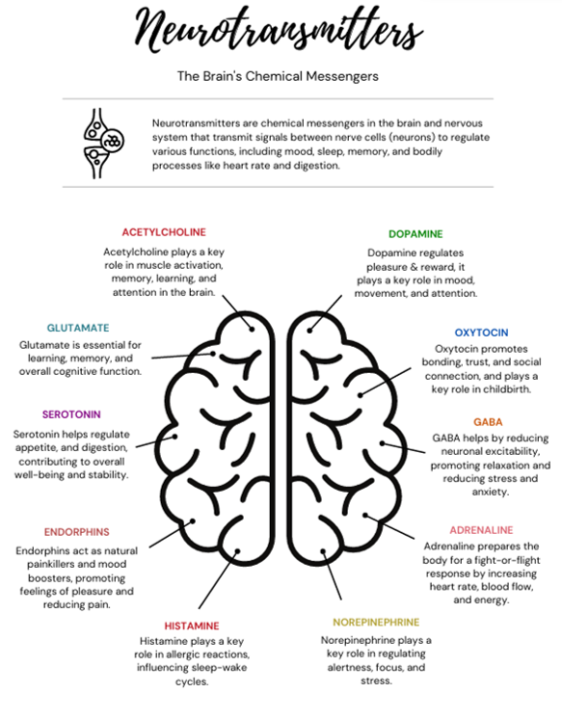
New Resource Added: Inner Chemistry — Understanding How the Brain Shapes Behaviour
Hi All! I’ve just uploaded a new resource to the Classroom that explores the brain’s key neurotransmitters and how they influence mood, motivation, stress, communication, and emotional regulation. Whether you’re here for personal healing or you’re someone who supports others - clients, teams, or communities - this guide offers insight that can genuinely shift the way you understand behaviour. So many emotional reactions, stress responses, and communication patterns aren’t “personality flaws” - they’re chemistry. When we understand what’s happening internally, we can respond with more compassion, more clarity, and more effectiveness. This guide breaks down each neurotransmitter in simple, practical language: - what it does - how imbalance may show up - and natural ways to support balance For those healing from harm, it offers context that reduces shame and increases self-understanding. For leaders and team members, it provides a framework for recognising stress patterns, improving communication, and creating psychologically safe environments where people can think clearly and work well together. Knowledge doesn’t just empower individuals - it transforms relationships, workplaces, and communities. Feel free to share what stands out to you or how you see this applying to your own healing or your work with others. Your reflections help everyone grow.

1 like • 18d
Thank you! This is awesome.
Feb 17 •
Welcome to Healing After Harm
Hi everyone, and welcome — especially to those of you who’ve journeyed with me from our previous space. I’m so grateful you’re here, and I want to thank you for your loyalty, your patience, and your trust while we’ve been getting this new platform ready. This community has always been about learning, healing, and reclaiming the parts of yourself that harm tried to take. Moving to Skool gives us a safer, clearer, more connected home to do that work together — without noise, without overwhelm, and with a structure that truly supports your growth. Inside this space, you’ll find education, tools, conversations, and gentle guidance to help you understand what happened, rebuild your self‑trust, and return to yourself with clarity and strength. We’re just getting started, and I’m so glad you’re here at the beginning. Thank you for being part of this community. Your presence matters, and I’m honoured to walk this next chapter with you. — Dr Sam
2 likes • Apr 27
Yay! Loving the new platform! Sooooo much easier to navigate. Appreciate you Dr Sam.
Feb 20 •
New Resource in the Classroom: The Science of Showing Up Ebook
Hi everyone, I’ve just uploaded a powerful new ebook designed to help you create clarity, consistency, and meaningful progress in your daily life. The Science of Showing Up blends neuroscience with emotionally intelligent strategies to help you set goals, build supportive routines, manage distractions, and stay motivated - without burnout or overwhelm. It’s a gentle, structured guide for anyone wanting to show up for themselves with more intention, purpose, and self‑trust. Whether you’re building a business, navigating personal growth, or simply craving more structure in your day, this ebook offers a grounded, science‑backed framework to support sustainable change. It’s now available under the Classroom tab. #NeuroscienceTools #IntentionalLiving #ProductivityWithCompassion #HighPerformanceHabits #WorthWellness #HealingAfterHarm
0 likes • Apr 27
This ebook was great! Thanks!
Mar 2 •
Understanding the Roots of “Not Enoughness” – Now in the Classroom
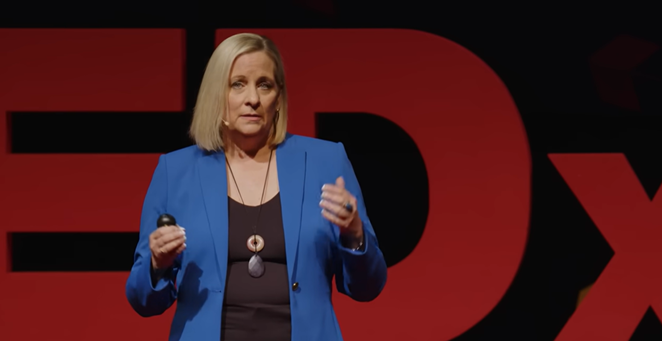
Hi everyone, I’ve just uploaded a powerful TEDx talk from Dr. Patti Ashley into the Classroom tab, and it’s one that speaks directly to the deeper layers of shame, emotional safety, and the nervous system. Dr. Ashley explores a striking statistic: just one month after COVID‑19 began, calls to the National Mental Health Hotline rose by 891%. She breaks down how the belief of “I’m not good enough” - shaped by early childhood experiences, ancestral patterns, and our brain’s wiring - has played a major role in this mental health crisis. Drawing from more than forty years in education, child development, and psychotherapy, she explains how shame forms, how it gets stored in the nervous system, and how it disconnects us from belonging, love, and emotional safety. Her approach, which she calls wholehearted psychotherapy, focuses on creating long‑term changes in the brain by helping people break through unconscious barriers to self‑love and connection. This talk is especially meaningful for anyone navigating trauma, grief, family patterns, or the lingering emotional impact of the last few years. It’s a grounded, compassionate reminder that healing begins with understanding the roots of our pain - not blaming ourselves for it. You can now watch the full talk inside the Classroom. #mentalhealth #traumahealing #shameinformedtherapy #nervoussystemhealing #emotionalwellbeing #selfworth #healingjourney #psychology #authenticity #belonging #innerwork #skoolcommunity
0 likes • Apr 27
Thank you for sharing this. I just watched the talk and it hit so many things I’ve felt but never had the language for. The way she explains shame and the nervous system made everything make so much more sense. It’s comforting to realise these patterns weren’t just me, they were learned and they can be unlearned. Really grateful this was added to the Classroom. Thanks!
Mar 4 •
Why Women Lose Themselves - And How Safe Environments Help Us Rise Again
During a recent podcast recording, my co-host and I talked about what it really means to bring your authentic self to the table - for both men and women. That conversation stayed with me. It made me think deeply about the environments we move through every day as women, and how profoundly they shape (or suppress) our self‑expression. Somewhere along the way - often quietly, gradually, and without noticing - we start giving up the parts of ourselves that once made us feel alive. Before the rules. Before the expectations. Before the roles we were handed and told to carry with grace. When we were younger, we moved through the world without self‑consciousness. And then life happened. Careers, relationships, motherhood, invisible labour, and the pressure to be good, capable, responsible, appropriate, enough, begin to shape us. Piece by piece, women trade spontaneity for structure, joy for duty, intuition for approval. But something powerful happens with age, maturity, and consciousness: we begin to remember. We remember who we were before the world told us who to be. We remember what we loved before we were taught to minimise ourselves. We remember the parts of our identity that were never lost - only buried. And this rediscovery doesn’t happen in isolation. It happens in environments that allow it. Environments - at work and at home - that are psychologically safe, emotionally intelligent, and free from manipulation or dismissal give people permission to bring their whole selves forward. When people feel safe, they reconnect with their creativity, their joy, their intuition, their voice. They show up with authenticity rather than armour. Environments that are controlling, dismissive, or manipulative do the opposite. They shrink people. They silence instincts. They teach women (and men) to abandon the parts of themselves that don’t fit the unspoken rules. They reward compliance over truth, performance over presence, and self‑abandonment over self‑expression. In today’s world, women often forget who they are at their very core - not because they’re disconnected, but because they’ve been over‑responsible for too long in environments that didn’t make space for their full humanity.

0 likes • Apr 27
This reminds me of my mom...
1-8 of 8
Active 18d ago
Joined Apr 27, 2026