Activity
Mon
Wed
Fri
Sun
Jul
Aug
Sep
Oct
Nov
Dec
Jan
Feb
Mar
Apr
May
Jun
What is this?
Less
More
Owned by Robin
Diverticulitis flares. IBS symptoms. Stress. Bloating. Food fear. This is where we connect the dots, ease pressure, and rebuild trust with your body.
Memberships
Panda for Skool: CRM +
416 members • Free
Crust & Crumb Academy
1k members • Free
Skoolers
175k members • Free
The Content Revenue Lab
1k members • Free
Skool Monetization Lab
198 members • Free
Skool Events Daily
312 members • Free
the skool CLASSIFIEDS
1.9k members • Free
Soul Purpose Group
2.2k members • Free
THE SKOOL HUB
5.3k members • Free
91 contributions to Crust & Crumb Academy

⭐
2d •
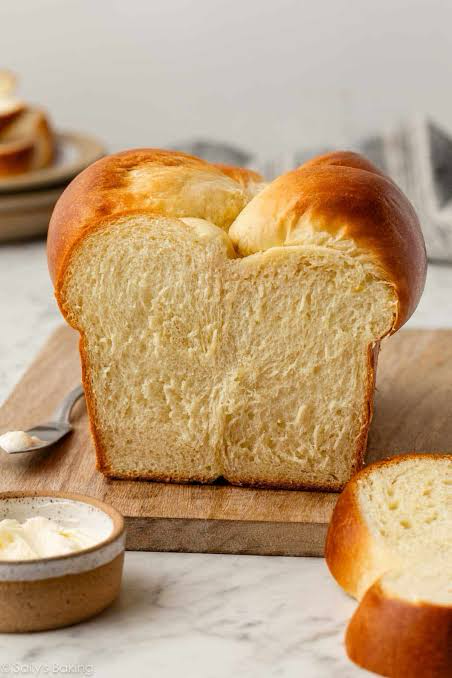
🍞 This week we’re baking brioche
Last week was croissant bread, where we kept the butter cold and separate so it could make layers. This week we flip it completely. We’re melting the butter all the way in for the softest, richest crumb you’ve ever pulled out of a loaf pan. The bread is brioche. Buttery, golden, tender enough to pull apart with your fingers. But we’re not making it the ordinary way. Here’s the twist. We’re starting with a tangzhong, that little cooked flour and milk paste that lets bread stay soft for days. And instead of beating the butter in later, we’re melting it right into the tangzhong while it’s still warm and cooling. Why does that matter? The tangzhong pre-cooks the starch so the dough can hold more moisture. Folding the butter in at that stage carries the richness deep into the crumb from the very first step. You end up with a softer, more evenly buttery loaf that stays fresh longer. Same ingredient as last week. Completely different job. Cold butter builds layers. Melted butter builds softness. That’s the whole lesson. I’m baking mine today and I’ll bring you the results. Recipe details are coming this week, and we bake together Saturday. So tell me: who’s ready to go from flaky to pillowy soft this week? Perfection is not required. Progress is. Henry ⭐🔥

🔥
4 likes • 2d
@Ann Snow perfect!
🔥
4 likes • 2d
@Sandy Chong just like wish a regular loaf. Awesomeness!
⭐
3d •
🎥 New Lesson: How to Freeze Your Bread the Right Way
If a loaf isn't going to be eaten within a day or two, the freezer is usually your best friend. In this lesson, we look at what actually causes bread to go stale, why the refrigerator often makes the problem worse, and how to freeze, thaw, and refresh your bread so it keeps as much of its original quality as possible. You'll learn: 🥖 Why bread goes stale ❄️ Why freezing works 🚫 Why the refrigerator isn't always the answer 🍞 How to freeze whole loaves and sliced bread 🔥 How to bring frozen bread back to life A simple skill. A big difference. 🎬 Watch the lesson here: https://youtu.be/eiepOzOVDgk 🛍️ Member Discount from ModKitchn Many of you ask how I store bread at home. One of the tools I use is the ModKitchn Fresh Bread Storage Bag. It's designed for countertop storage and freezer use, making it a great option for keeping your bread fresher longer. ModKitchn has generously offered Crust & Crumb Academy members 10% off. 👉 https://modkitchn.com/discount/BAKINGGREATBREAD10 Use code: BAKINGGREATBREAD10 Thank you to Morgan and the team at ModKitchn for supporting bread bakers and our community. Perfection not required. Progress expected. Henry⭐🔥 Crust & Crumb Academy
🔥
4 likes • 2d
I slice mine before putting in freezer. I found that wrapping the slices with press n seal then putting in a freezer bag seems to work pretty decent.
⭐
3d •
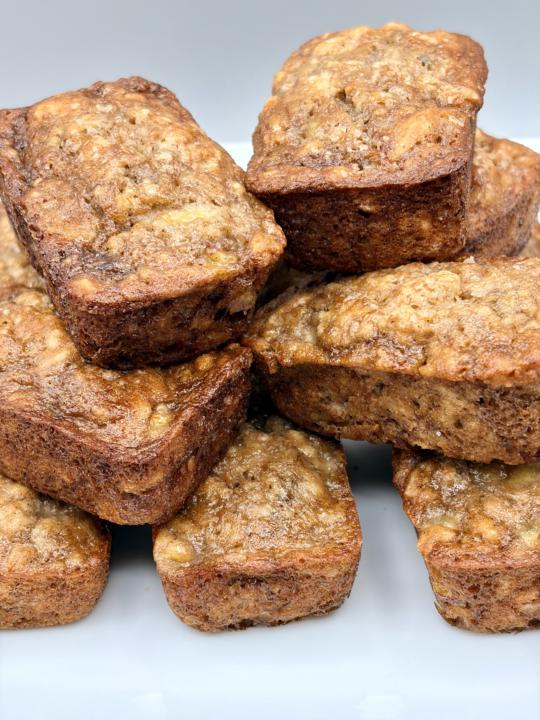
Classic Mini Banana Bread
Last night I got that old familiar sweet tooth at about 10 PM. I justified what I was about to do by convincing myself that the bananas were going to be too far gone if I waited till the morning so I must bake this banana bread tonight. I did think about portion control though. So I used my mini loaf pans. https://pantry.bakinggreatbread.com/recipes/classic-banana-bread
🔥
2 likes • 3d
@Sandy Chong I’m not completely gluten free anymore and I use organic flour (wheat) for my sourdough. I believe it’s what they do to our food… spraying it and all that. Plus… the sugar aspect. I’m looking to make a couple cake recipes using organic AP flour (and maybe some discard).
🔥
2 likes • 3d
@Sandy Chong I’ve only made a few things with it. I did a batch of gluten free waffles with it and was amazing… they were fluffier.
⭐
10d •
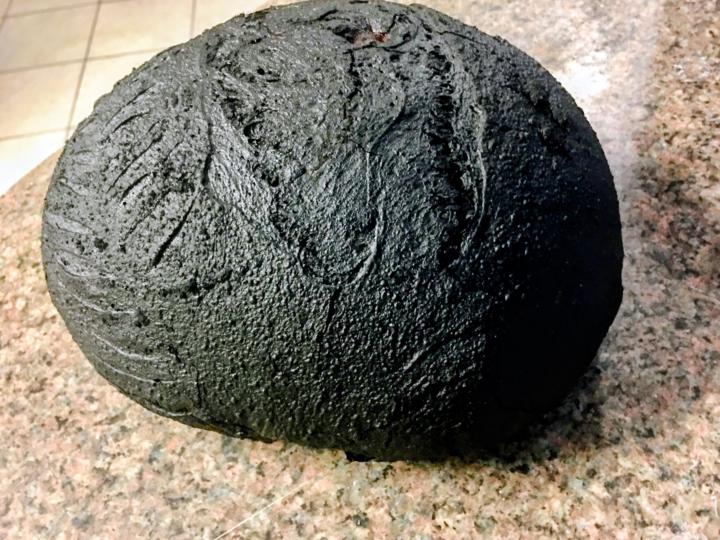
🍞 New week, fresh start
And we’re kicking it off with a little humility. Today’s challenge: post a picture of your ugliest bread. The flat one. The one that tore open in all the wrong places. The brick. The loaf that came out looking like it lost a fight. We’ve all got one. Every single baker in here. The folks whose loaves you admire have a whole graveyard of ugly bread behind them. That’s not the exception. That’s the path. So drop your photo in the comments. No picture? Tell us the story. What happened, what you think went sideways, and whether you ever figured it out. I’ll go first 👇 No judgment in this kitchen. Just bakers who kept showing up. Perfection is not required. Progress is. Henry ⭐🔥
🔥
3 likes • 10d
@Christine Groen 😆
🔥
2 likes • 6d
@Cheryl Odden absolutely!
⭐
11d •
Here is my air fryer Challah French toast recipe I promised you
Air Fryer Challah French Toast Grab a shallow bowl and crack three eggs into it. Pour in about a quarter cup of milk, add a teaspoon of vanilla, and a pinch of cinnamon. Whisk it all together until it’s smooth. That’s your custard. Spray your air fryer basket lightly so nothing sticks. You don’t need much. Now take your challah slices and dip each one into that egg mixture. Don’t drown it, just three to five seconds per side. You want it soaked but not falling apart. Lay them in the basket in a single layer. They’re gonna need room to get crispy all around. Set your air fryer to 375 degrees on the roast setting and let it go for three to four minutes. You’re looking for golden and crispy on the outside. Don’t flip it. The air’s doing the work from all sides, so you get color top and bottom. Plate it up and eat it warm. A couple things: Every air fryer’s a little different, so if yours runs hot, start at three minutes and adjust from there. And because challah’s rich, it cooks faster than regular bread, so keep an eye on that first batch. Makes enough for two, maybe three people if you’re generous.

🔥
3 likes • 11d
Looks delicious 😋
1-10 of 91

🔥
@robin-yount-5988
Curious & introspective. Dig a healthy lifestyle, yoga, dance & meaningful connections. I run Diverticulitis Rescue, helping folks live flare-free. 🛟
Online now
Joined Feb 18, 2026
ENFP
North Carolina