Activity
Mon
Wed
Fri
Sun
Nov
Dec
Jan
Feb
Mar
Apr
May
Jun
Jul
Aug
Sep
Oct
What is this?
Less
More
Strong Confident Living
3.5k
5.0
$99/m
Japanese Language Learners
445
Free
Linguists Society
116
$29/m
Mobility & Injury Prevention
252.4k
Free
Nourished & Strong
57
Free
The Creative Cottage
91
Free
101 contributions to Japanese Language Learners

5d •
🎌 Day 2: 趣味 (Shumi) – Your hobbies!
Great job on Day 1! Yoku dekimashita! 🎉 Today, tell us about your hobby. Copy the sentences below and fill in the blanks (__). 📝 Kanji version こんにちは! [Your Name]です。 私の趣味は__です。 そして、__が好きです。 🔤 Romaji version Konnichiwa! [You Name] desu. Watashi no shumi wa __ desu. Soshite, __ ga suki desu. 🇦🇺 English Hello! I'm [Your Name]. My hobby is __. Also, I like __. 📚 Word bank (pick one!) 音楽 (ongaku) = music 映画 (eiga) = movies ゲーム (gēmu) = games 料理 (ryōri) = cooking 読書 (dokusho) = reading スポーツ (supōtsu) = sport 旅行 (ryokō) = travel 写真 (shashin) = photography アニメ (anime) = anime 💡 Your hobby not on the list? Write it in English, and someone will help with the Japanese! 👇 Post your hobby below, and reply to one other person's hobby too! Ganbatte kudasai (try your best)! Joe Sensei. P.S. When you're completed the Day 2 challenge, try Day 3 - https://www.skool.com/japanese/classroom/573d84d9?md=5f3a98f03c1d45d4a5943dbc7c4e69a8

1 like • 5d
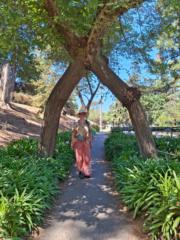
Shumi wa dansu, ryoko to shanshin!
1 like • 5d
@Joe Bennett it doesn't matter if you are good or not, as long as you enjoy it!
5d •
Day 4 Challenge - Where do you want to go?
🎌 Day 4: 行きたい場所 (Ikitai basho) – Where do you want to go? Great work on Day 3! 🎉 Today, tell us a place you'd love to visit. Copy the sentences below and fill in the blanks (__). 📝 Kanji version 行きたい場所は__です。 いつか__に行きたいです。 🔤 Romaji version Ikitai basho wa __ desu. Itsuka __ ni ikitai desu. English The place I want to go is __. Someday, I want to go to __. 📚 Word bank (pick one!) 東京 (Tōkyō) = Tokyo 京都 (Kyōto) = Kyoto 大阪 (Ōsaka) = Osaka 北海道 (Hokkaidō) = Hokkaido 沖縄 (Okinawa) = Okinawa 広島 (Hiroshima) = Hiroshima 富士山 (Fujisan) = Mount Fuji 日本 (Nihon) = Japan 💡 Dreaming of somewhere else in the world? Write it in English, and someone will help with the Japanese! 📸 Bonus: add a photo of the place you'd love to visit! 👇 Post your dream destination in the comments below, and reply to one other person's post too!

1 like • 5d
Itsuka Nihon ni ikitai desu! (hence why I am trying to learn some of the language!!)
1 like • 5d
@Joe Bennett aurigato! I have heard good things about Kyouto! Would definitely love to go there!
5d •
Day 7 Challenge - Set a Goal!
🎌 Day 7: 目標 (Mokuhyō) – Set a goal! You made it to Day 7! Omedetou!! 🎉🎉🎉 Today, tell us ONE goal for your Japanese. Copy the sentences below and fill in the blanks (__). These sentences are more advanced, so feel free to write about your goal in English, instead. 📝 Kanji version 私の目標は__ことです。 毎日__ことをします。 頑張ります! 🔤 Romaji version Watashi no mokuhyou wa __ desu. Mainichi __ o shimasu. Ganbarimasu! 🇦🇺 English My goal is __. Every day, I will __. I'll do my best! 📚 Goal ideas (pick one!) ひらがなを覚える (hiragana o oboeru) = learn hiragana 単語を10個覚える (tango o jukko oboeru) = learn 10 new words 日本語を話す (nihongo o hanasu) = speak Japanese 毎日勉強する (mainichi benkyō suru) = study every day 日記を書く (nikki o kaku) = write a diary 💡 Keep it small! "Study for 10 minutes a day" is a great goal. 💡 Not ready for Japanese? Write your goal in English. That counts! 👇 Post your goal in the comments below, and reply to one other person's goal too! Ganbatte kudasai! Joe Sensei.

1 like • 5d
Watashi no mokuhyou wa mainichi benkyo suru desu.
5d •
Day 3 Challenge - Your Favourite Food!
🎌 Day 3: 好きな食べ物 (Suki na tabemono) – Your favourite food! Nice work on Day 2! Yoku dekimashita!! 🎉 Today, tell us your favourite food. Copy the sentences below and fill in the blanks (__). 📝 Kanji version 好きな食べ物は__です。 __はおいしいです。 🔤 Romaji version Suki na tabemono wa __ desu. __ wa oishii desu. English My favourite food is __. __ is delicious. 📚 Word bank (pick one!) すし (sushi) = sushi ラーメン (raamen) = ramen カレー (karee) = curry うどん (udon) = udon noodles てんぷら (tenpura) = tempura おにぎり (onigiri) = rice ball ピザ (piza) = pizza ケーキ (keeki) = cake 💡 Your favourite food not on the list? Write it in English, and someone will help with the Japanese! 📸 Bonus: add a photo of your favourite food! 👇 Post your favourite food in the comments below, and reply to one other person's post too! Ganbatte kudasai (Try your best)! Joe Sensei. P.S. When you've completed that challenge, try Day 4! https://www.skool.com/japanese/classroom/573d84d9?md=8822b7f4006a4ca49d41e2ae37d29180

1 like • 5d
kare wa oishii desu!!
1 like • 5d
@Joe Bennett ahh OK thanks for letting me know that!
5d •
Day 6 Challenge - Shitsumon shiyou!
🎌 Day 6: 質問しよう (Shitsumon shiyō) – Ask a question! Great work on Day 5! Yoku dekimashita!🎉 Today, ask the community ONE question about Japanese. Something you're stuck on, confused about, or just curious about. Ask in English, no Japanese needed! 🙌 There are no silly questions here. If you're wondering, someone else is too. 💬 Question ideas - A hiragana character you keep mixing up - How to pronounce a word - What a word or phrase means - How to say something in Japanese - Anything about grammar that confuses you ✏️ Not sure how to start? Try one of these: - "I'm stuck on __. Can someone explain it?" - "How do you say __ in Japanese?" - "What's the difference between __ and __?" - "How do you pronounce __?" 🤔 No question today? Pick one of these instead: Option A: Share one new word or phrase you learned this week - "This week I learned __. It means __." - Bonus: use it in a sentence! Option B: Post a sentence you wrote and ask for a check - "I wrote this sentence: __. Is it correct?" - Any sentence works, even a simple one from Days 1 to 4. Mistakes are welcome, that's how we learn! ⭐ Bonus (optional): finish with 教えてください!(Oshiete kudasai!) = Please teach me! 👇 Post in the comments below. Then, if you can help with someone else's post, jump in and reply! Ganbatte kudasai! Joe Sensei.

1 like • 5d
(I don't think there was a day 5 posted...)
1-10 of 101
@lydia-cox-2031
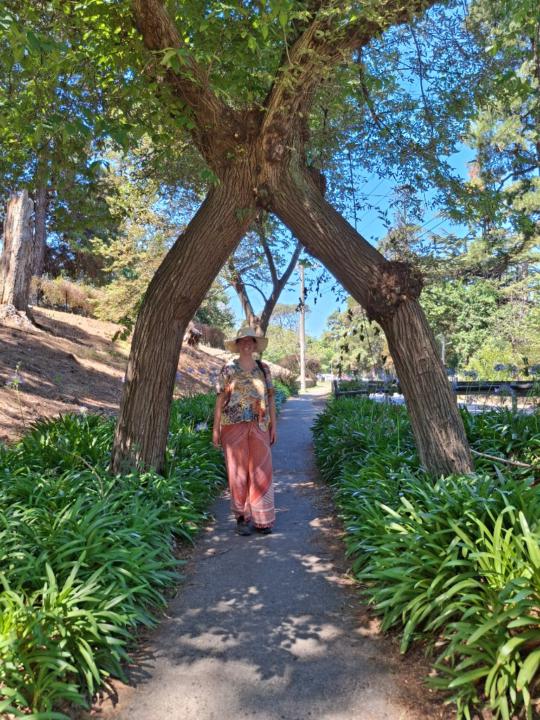
New to Melbourne. Love crafts, baking, walking, general exercize and being outside. Keen to learn new things & meet some cool people along the way!
Online now
Joined Feb 11, 2026
Richmond, Melbourne
Powered by