Activity
Mon
Wed
Fri
Sun
Jun
Jul
Aug
Sep
Oct
Nov
Dec
Jan
Feb
Mar
Apr
May
What is this?
Less
More
Owned by Nisana
Vet-led community for backyard poultry keepers. Dr. Nisana, DVM, provides expert guidance on flock health, disease prevention, nutrition, & wellness.
Place for Veterinary Students to network while having access to material for clinics and the NAVLE. Scholarship and externship resource list.
Memberships
Skoolers
188.7k members • Free
Skool Growth Free Training Hub
7.6k members • Free
VetHelpfulNotes
91 members • Free
Generational Revival
26.9k members • Free
Veterinary Scan - S - Kool
216 members • Free
Exotic Pet Education Platform
300 members • Free
Ranch Life - Goats & Alpacas!
21 members • Free
Exotic Pet Care
342 members • Free
Vetspan Collective
339 members • Free
88 contributions to The Healthy Coop Collective

1d •
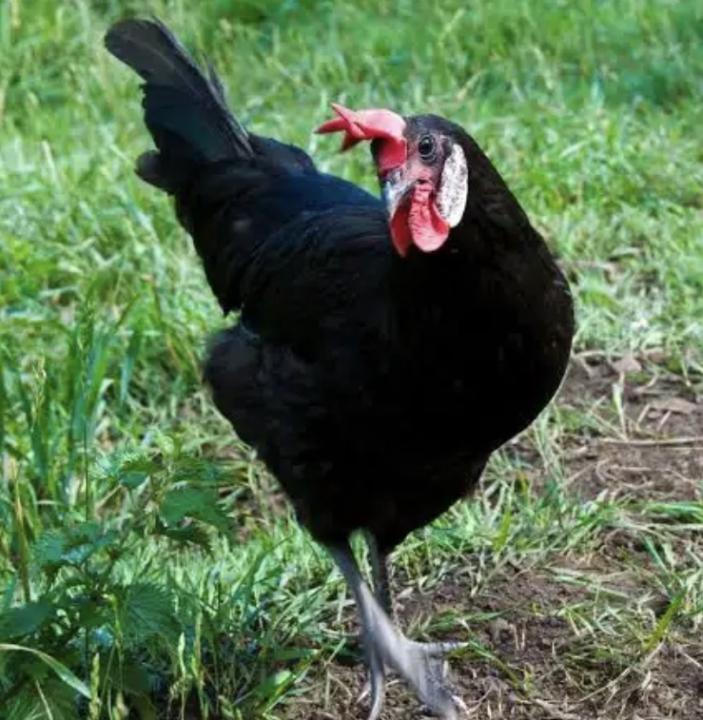
☀️ Heat-Tolerant Breeds: Genetic Adaptations to Hot Climates
Planning your flock for summer survival? Some breeds handle heat FAR better than others! Let’s explore the genetics behind heat tolerance. Physical Adaptations for Heat: LARGE COMBS & WATTLES: 🐔Increased surface area for heat dissipation 🐔Blood flows through, releases heat 🐔Up to 40% of body heat lost through comb! LEAN BODY TYPE: 🐓Less body mass = less internal heat 🐓Lighter weight, longer legs 🐓Tight feathering (less insulation) LIGHT FEATHER COLORS: 🪽Reflect sunlight vs. absorbing 🪽White/light birds stay cooler Heat-Tolerant Breeds: MEDITERRANEAN BREEDS (Developed in hot climates!): 🐓Leghorns: Large floppy combs, lean, excellent heat tolerance 🐓Minorcas: Largest combs of any breed! Extremely heat-adapted 🐓Andalusians: Light build, large combs 🐓Sicilian Buttercups: Unique cup comb, heat-hardy DESERT/TROPICAL ORIGINS: ⛱️Egyptian Fayoumi: Desert-adapted, highly heat-tolerant, active foragers ⛱️Naked Necks (Turkens): 40% fewer feathers = natural cooling! Research shows superior heat tolerance ⛱️Sumatra: Tropical origin, handles humidity well GAME BREEDS: 🐓Old English Game: Lean, hardy 🐓Generally heat-tolerant due to body type Breeds That Tend to STRUGGLE in Heat: AVOID IN HOT CLIMATES (or give extra care) ☀️Cochins: Heavy feathering, large body ☀️Brahmas: Feathered feet, dense plumage ☀️Orpingtons: Fluffy, heavy birds ☀️Silkies: Unique feathering traps heat ☀️Cornish Cross: Fast metabolism, prone to heat stroke Research Findings: Studies show Naked Neck chickens maintain lower body temperature and better production in heat stress compared to fully-feathered breeds—their reduced feathering is genuinely advantageous! Choosing for Your Climate: ✓ Consider summer temperatures AND humidity ✓ Mediterranean breeds = dry heat specialists ✓ Large combs = frostbite risk in cold winters ✓ Balance heat tolerance with your other goals Your turn: ❓What breeds handle your summer heat best? Any surprises? ☀️ ❓Have you chosen breeds specifically for your climate? Which ones? 🐔
1
0

2d •
Realistic Expectations When Hatching Eggs?
I had a friend hold back 6 eggs for hatching. It took 7 days to collect 6 eggs. All but one have hatched in 21 days, with the 6th egg being a dud early on. So we have 5 new chicks out of 6, and only one of them needed assistance leaving the shell. They were the first to start moving, and by the time the others were hatched they had only pipped with their elbow. That tough to hatch one turned out to be the only one with the rooster's coloring. :) I'm guessing the Hen's diet is good, yes? lol

0 likes • 1d
All chicks, male and female, can eat the same things at this stage😊 thank you so much for sharing! I love the videos
5d •
48 members! Help me get to know you!
Hi everyone! Thank you so much for being a member of this community. I try to post good information for you all each day and the comments I get from you all are very encouraging that it is actually helpful information. But I don’t want this community to just be me without actually getting to know you all. I’d do a blog instead. So at least once a week I’m going to ask a question to get to know you all better and for you to get to know each other as well. Please participate when you can😊 How long have you been keeping poultry, and what year did your flock journey officially begin? If you don’t have a flock but work with poultry, what started your interest in them?
1 like • 5d
@Michelle Hallett what has been your favorite kind so far?
1 like • 2d
@Michelle Hallett that is exciting and I bet she makes the best picks😊
4d •
🦅 Hawk vs. Owl Predation: Identifying Daytime vs. Nocturnal Threats
Lost a bird to an aerial predator? i just had a televet appointment helping an owner patch up their chicken after a hawk attack, so I wanted to share this comparison info with you💚 HAWKS (Daytime Hunters): COMMON SPECIES: 🦅Red-tailed hawk 🦅Cooper’s hawk (specialist on birds!) 🦅Sharp-shinned hawk HUNTING BEHAVIOR: ☀️Attack during daylight hours ☀️Often strike from perches or dive from above ☀️May pursue chickens into cover ☀️Cooper’s hawks are persistent hunters! EVIDENCE LEFT BEHIND: 🪶Neat piles of plucked feathers 🪶 Breast meat eaten, carcass left 🪶Attack site often in open areas 🪶May return to same location TARGET PREFERENCES: 🐥Prefer smaller/bantam birds 🐥Young, weak, or separated individuals 🐥Birds in open areas without cover OWLS (Nocturnal Hunters): COMMON SPECIES: 🦉Great horned owl (most dangerous to poultry!) 🦉Barred owl HUNTING BEHAVIOR: 🌙Hunt at night, dusk, and dawn 🌙Silent flight—chickens don’t hear approach 🌙Extremely powerful talons 🌙Great horned owls can take ADULT chickens! EVIDENCE LEFT BEHIND: 🦉Attack near roost or coop entrance 🦉Head often removed or eaten 🦉May decapitate through wire! 🦉Talon puncture wounds 🦉Carcass may be carried away TARGET PREFERENCES: 🐓Birds roosting outside 🐓Accessible through gaps 🐓Can reach through chicken wire! Prevention Strategies: FOR HAWKS: ✓ Overhead netting or covered runs ✓ Provide shelter/hiding spots in range ✓ Reflective tape, CDs (temporary effectiveness) ✓ Rooster (alerts flock to danger) FOR OWLS: ✓ Secure coop BEFORE dusk ✓ Hardware cloth, NOT chicken wire! ✓ No gaps—owls reach through openings ✓ Covered roost areas FOR BOTH: ✓ Never leave chickens out after dark ✓ Use 1/2 inch hardware cloth ✓ Provide dense shrub cover in range Legal Note: Hawks and owls are federally protected! Lethal control is illegal. Focus on prevention only. Your turn: ❓Have you lost birds to aerial predators? Hawk or owl? 🦉 ❓What’s your most effective overhead protection method? 🛡️
1 like • 4d
@Douglas Curtis perfect timing!
8d •
💧 Water pH & Quality: Effects on Health & Equipment
Water is the most critical nutrient, but what about water QUALITY? pH and mineral content matter more than you might think! Understanding Water pH: THE SCALE: 💦0-6.9 = Acidic 💦7.0 = Neutral 💦7.1-14 = Alkaline OPTIMAL FOR POULTRY: 🍋6.0-7.0 (slightly acidic to neutral) 🍋Chickens tolerate 5.5-8.0, but extremes cause issues How pH Affects Your Flock: TOO ACIDIC (<5.5): 🐓Reduced water consumption 🐓Can damage digestive tract 🐓Corrosion of equipment TOO ALKALINE (>8.0): 🐔Decreased palatability (birds drink less!) 🐔Reduced vaccine/medication effectiveness 🐔Biofilm formation increases 🐔Scale buildup in equipment OPTIMAL pH BENEFITS: 🐥Better nutrient absorption 🐥Medications work effectively 🐥Improved gut health 🐥Better water consumption Water Quality Concerns: HARDNESS (Mineral Content): 🪨High calcium/magnesium = “hard” water 🪨Scale buildup in nipples and lines 🪨Can affect medication mixing 🪨May alter supplement effectiveness CONTAMINANTS: 🦠Bacteria: Coliforms, E. coli, Salmonella 🦠Nitrates: Runoff contamination 🦠Heavy metals: Lead, arsenic 🦠Sulfur: Rotten egg smell, reduced intake CHLORINE: 💦Municipal water often chlorinated 💦Low levels generally safe 💦High levels reduce consumption 💦Let water sit to dissipate if concerned Testing Your Water: WHEN TO TEST: 🧪Annually for well water 🧪New property 🧪Suspected contamination 🧪Flock health issues 🧪After flooding or heavy rains TEST FOR: 🧪pH 🧪Bacteria (coliforms) 🧪Nitrates 🧪Total dissolved solids 🧪Heavy metals if concerned State labs often offer affordable testing! Equipment Effects: HIGH MINERAL CONTENT: 🪨Clogs nipple waterers 🪨Scale in water lines 🪨Reduced flow rates 🪨Shortened equipment life ACIDIC WATER: 🍋Corrodes metal components 🍋Damages rubber seals 🍋Galvanized waterers vulnerable Improving Water Quality: ✓ Regular cleaning (reduces biofilm) ✓ Filtration systems if needed ✓ pH adjusters available (use carefully!) ✓ Water softeners for extreme hardness ✓ Clean storage tanks regularly Your turn:
2 likes • 8d
@Douglas Curtis we just found a well on our property. Fingers crossed it is good for drinking just normally but we shall see 😊
0 likes • 5d
@Kim Linman how often do you test?
1-10 of 88

@nisana-miller-8945
Bible believing wife to Shawn Miller, mom to Miriam, Owner of Praising Pastures, Covenantal Wings Veterinary Services, & Vet Skool Success Network
Online now
Joined Jan 12, 2026
INFJ
Heavener, Oklahoma
Powered by