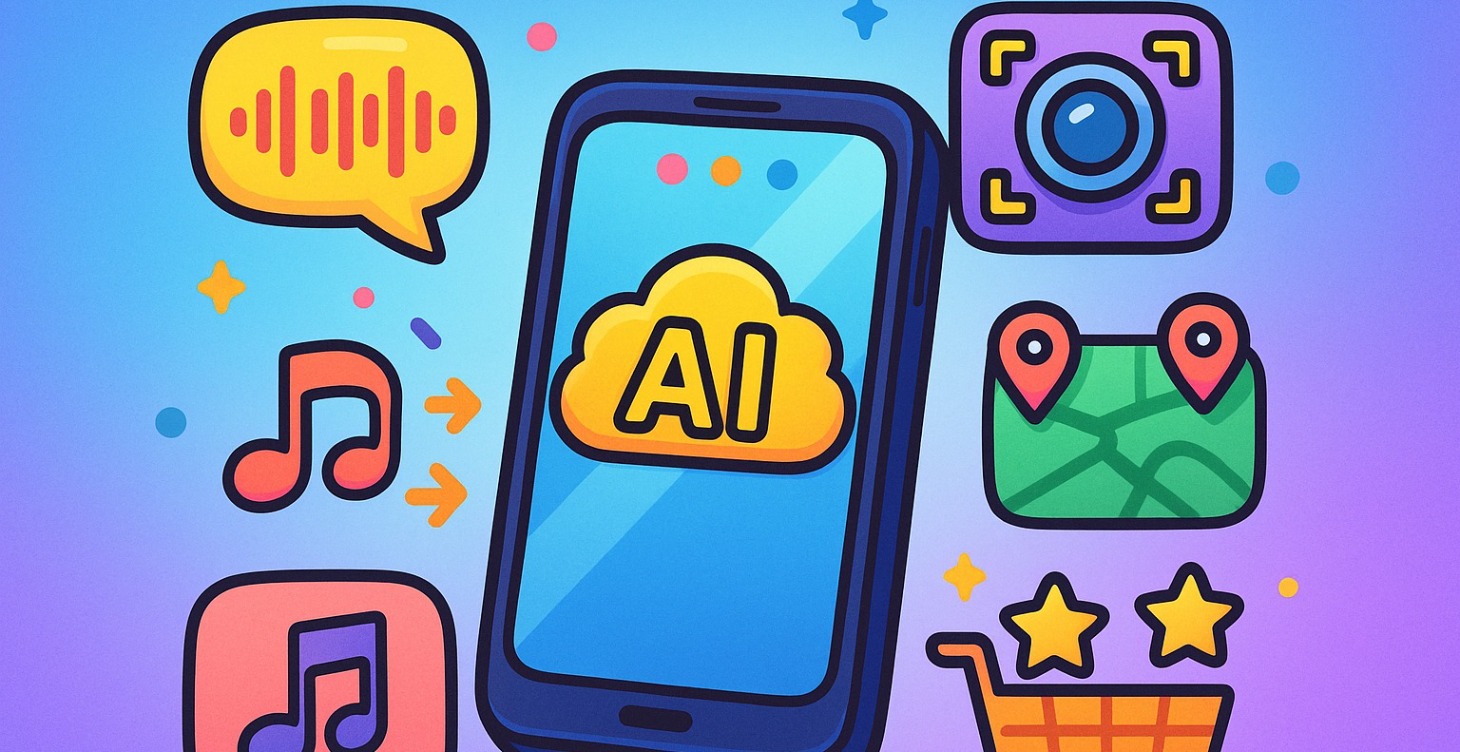
Intro
Welcome to AI 0 to 100, your comprehensive guide to the fascinating world of
Artificial Intelligence. This guide is designed to take you on a journey from the
fundamental concepts of AI to the cutting-edge technologies that are shaping our
future. Whether you are a complete beginner or have some prior knowledge, this guide
will provide you with a structured and engaging learning experience. Our goal is to
make AI accessible, understandable, and applicable to everyone.
0%
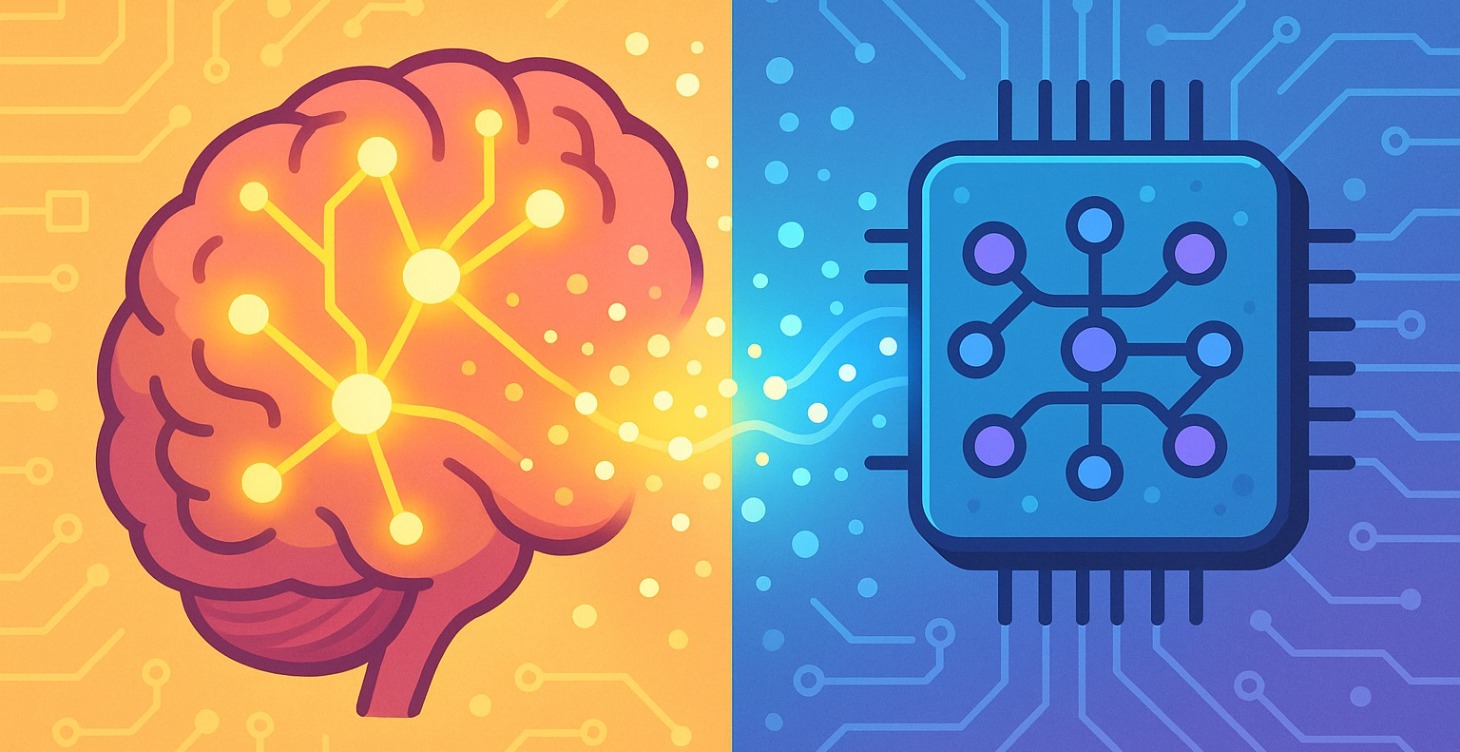
Level 0-25: Foundation
What is AI? The Big Picture
Artificial Intelligence (AI) is a broad field of computer science that focuses on creating
systems that can perform tasks that typically require human intelligence. This includes
abilities such as learning, reasoning, problem-solving, perception, and language
understanding. At its core, AI is about making computers "smart."
0%
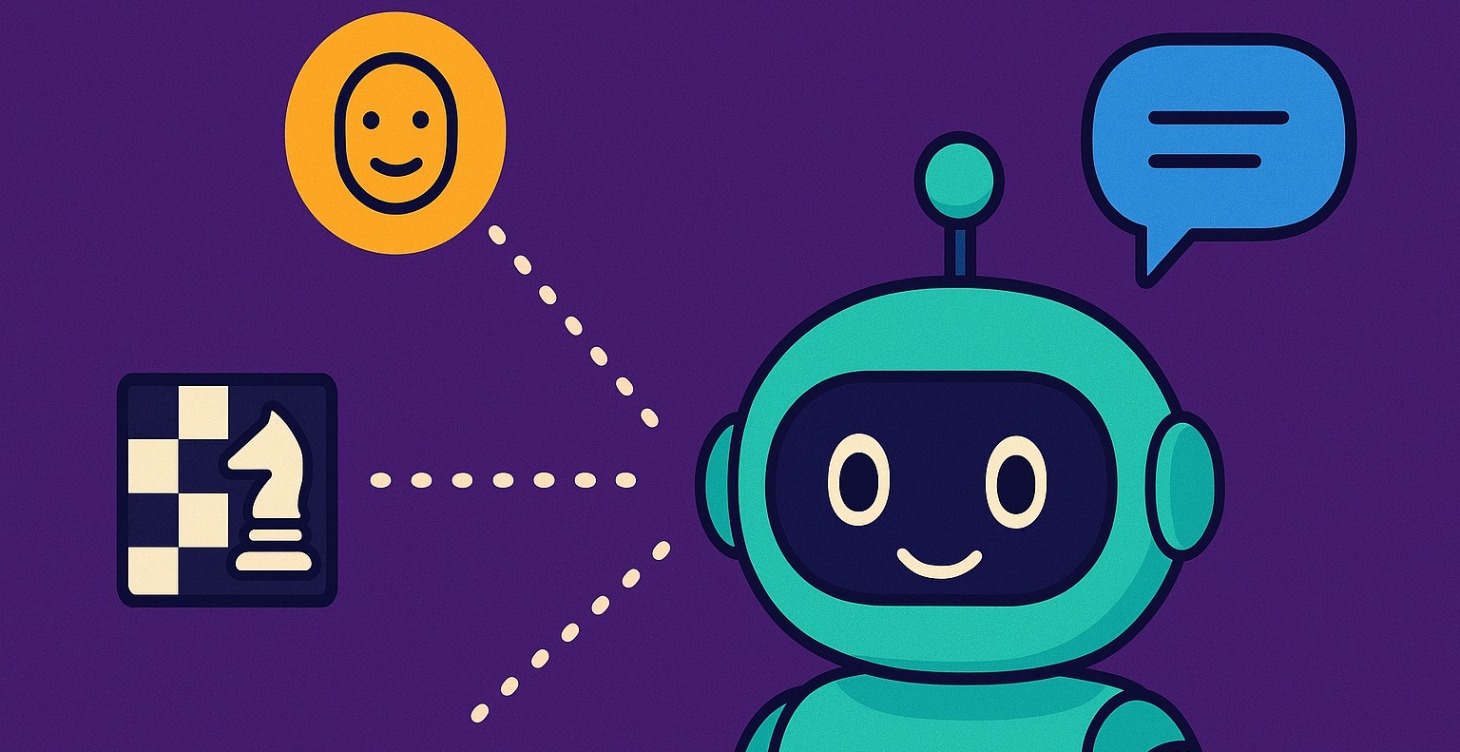
Level 0-25 (Cont): Types of AI: The AI Family Tree
AI can be broadly categorized into two main types:
Narrow AI (or Weak AI): This is the most common type of AI that we see today.
Narrow AI is designed to perform a specific task, such as playing chess,
recognizing faces, or translating languages. While Narrow AI can be incredibly
powerful at its designated task, it cannot perform tasks outside of its predefined
scope.
0%
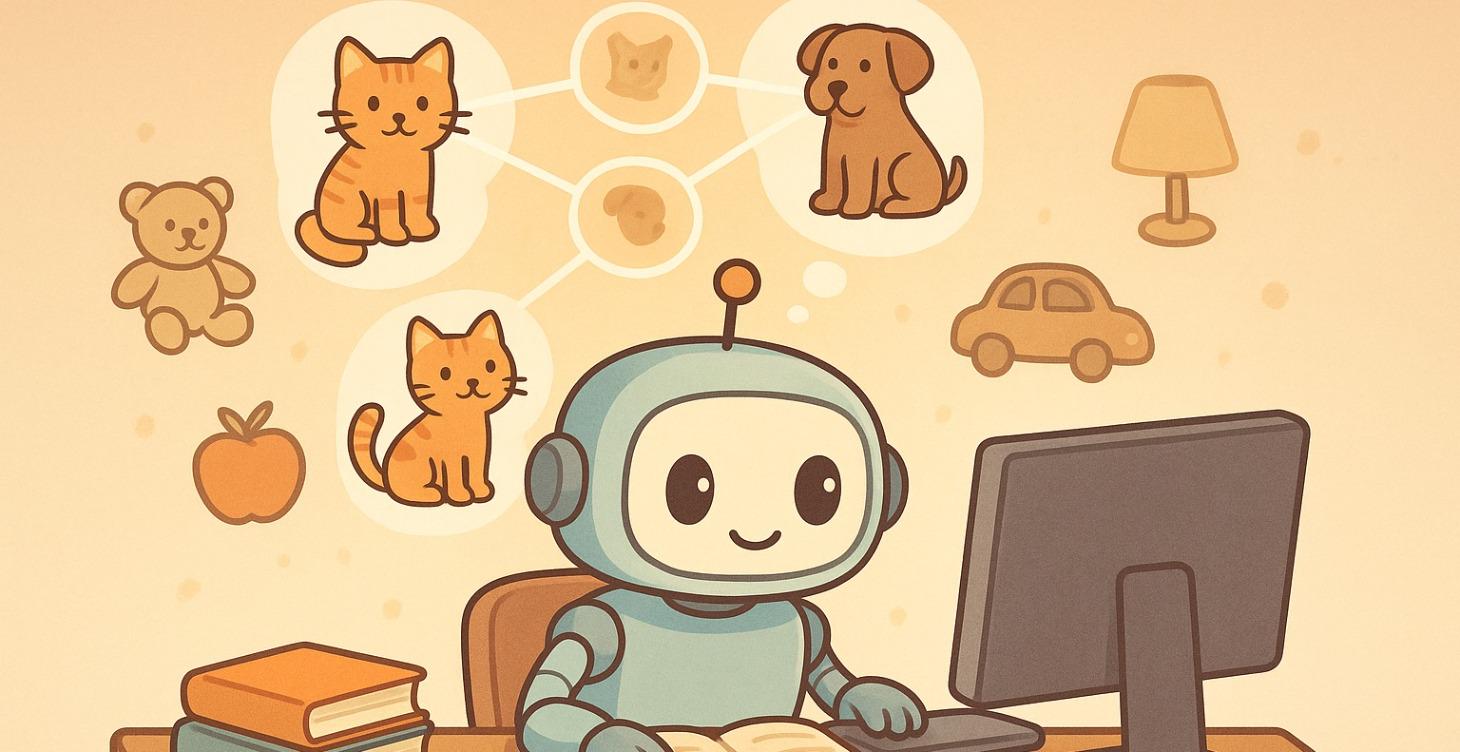
Level 26-50: Core Skills
Machine learning is a branch of AI where computers learn from data and improve automatically, without explicit programming. The three main types are: supervised learning (with labeled data for prediction), unsupervised learning (finding patterns in unlabeled data), and reinforcement learning (learning actions through rewards). Artificial neural networks, inspired by the brain, power deep learning and excel at tasks like image and speech recognition.
0%
Level 76-100: Mastery
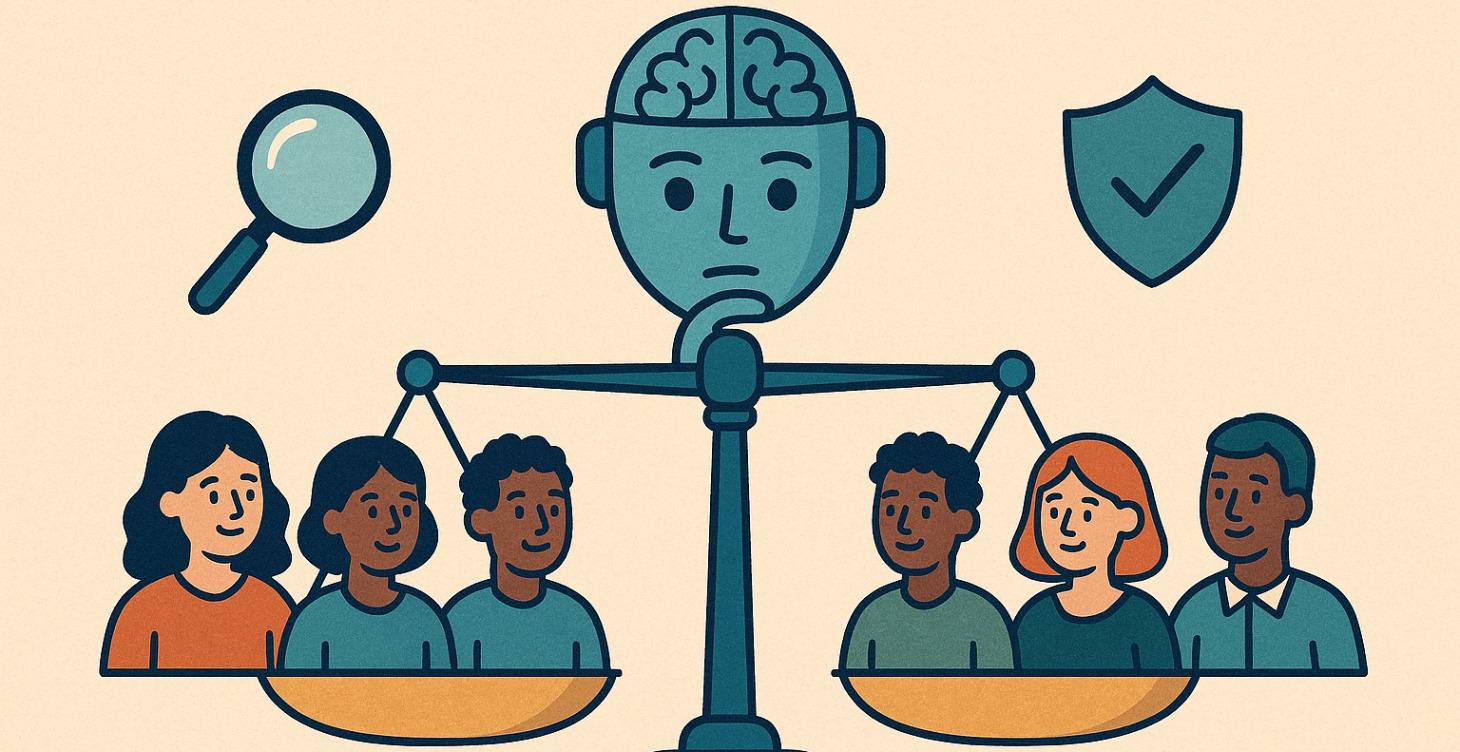
AI's integration raises key ethical concerns: bias, privacy, accountability, transparency, and safe human-AI interaction. Addressing these requires collaboration across fields. AI can solve major global challenges but poses risks like job displacement and inequality. Key trends: human-AI collaboration, personalized AI, explainable AI, and AI for good. The impact depends on responsible development to benefit all.
0%
1-5 of 5