
Write something
1d •
🌲 Inaugural Navigation Workshop — Thank You + What We Learned
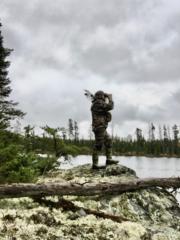
Today was a big milestone for OutdoorKids. We ran our very first Navigation Workshop, and I’m still smiling thinking about how well it went — not because everything was “perfect,” but because the kids showed up curious, brave, and ready to try. That’s the whole point of what we’re building here. And get this: we were a total of 25 participants out there together today. That’s a strong first workshop — and it genuinely felt like a community day. 🧭 Huge thank-you to Hammond Hill First off: thank you to Hammond Hill for hosting us and giving us a place where kids can actually practice real skills in a real environment. It makes a massive difference to have a space where families can spread out, explore, and learn without feeling rushed or “in the way.” We’re grateful for the support and the welcome. 👨👩👧👦 Thank you to the parents To all the parents who brought your kids out — thank you. You’re the reason OutdoorKids works. You made time, packed the snacks, managed the water bottles, handled the “I’m tired / I’m hungry / I need the bathroom” moments, and still stayed present for the learning. But even more than that: you gave your kids something rare — the chance to build confidence through doing, not just watching. 🧒🔥 And to the kids… you crushed it To the kids who came out: You asked great questions. You tried things that felt new. You got turned around, re-oriented, and tried again. You worked together, compared notes, and kept moving. That’s navigation in real life. Navigation isn’t about never getting lost. It’s about learning how to notice clues, make a plan, and calmly find your way back. And you did exactly that. ✅ What we covered (and what I loved seeing) Here are a few highlights from the workshop: How to orient a map (and why “north” matters more than people think) Basic compass skills (and how to use it without overthinking it) Landmarks + “handrails” (using trails, edges, and obvious features to guide you) Pacing + distance awareness (kid-friendly ways to estimate how far you’ve gone)
3
0

4d •
Preparing for a full emersion weekend
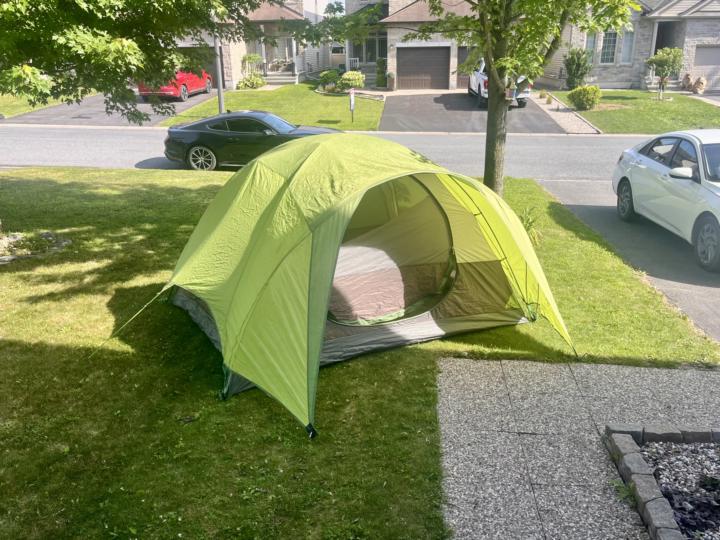
Before you head out, do a quick gear check—because the wilderness is an awesome teacher… but it’s a brutal place to discover a busted zipper or a “waterproof” tent that isn’t. Today I’m water-testing one of my tents for an upcoming full-immersion weekend with a father + son who want to get into wilderness camping. I’m checking everything: zippers, waterproofing, seams, tiny tears, stress points—all the stuff that can turn a fun trip into a long night. Why we check gear (even if it “worked last time”) Gear fails in predictable ways: Zippers clog, split, or snag Seam tape peels Waterproof coatings wear thin Tiny pinholes become leaks Guyline points rip under tension Buckles crack the first time you cinch them in cold or stress And the problem is… you usually don’t notice until you’re tired, it’s dark, and the weather changes. What we’re doing this weekend (and why) For this 3-day trip, we’re using my gear on purpose. The goal isn’t “look at my setup.” The goal is: experience real wilderness camping scenarios—so the family can go home and confidently decide: what they actually need what they can wait on what’s worth spending money on first what they can buy budget-friendly without regret Because buying gear without experience usually leads to: overspending on stuff you don’t use underspending on the stuff that keeps you warm/dry/safe Quick Pre-Trip Gear Check (the Outdoor Kids way) Here’s a simple checklist you can run the day before (or even 20 minutes before you leave). 1) Shelter Check (Tent / Tarp / Hammock) Tent water test (easy mode): Set it up in the yard Spray it with a hose for 5–10 minutes (especially seams + corners) Look inside for damp spots Inspect: Zippers: run them fully open/closed, check for snagging or separation Seams & seam tape: peeling, cracking, gaps Rainfly: thin spots, sticky coating, worn areas Floor: pinholes, abrasion spots Poles: cracks/splinters, shock cord slack Stakes & guylines: missing, bent, frayed, knots slipping
0
0
7d •
Penny Lane Sanctuary
COMMUNITY HELP NEEDED — Penny Lane Sanctuary (urgent, local) Hey OutdoorKids families, quick local call-out because this is one of those moments where a bunch of small “yes I can help” offers turns into real relief fast. We went to Penny Lane Sanctuary today and they’re in a tough spot right now: Larry (who runs Penny Lane with Nancy) is in the hospital, and the sanctuary needs extra hands every day for the next few weeks to keep things running — especially with this extreme heat. What they need help with Nothing fancy — just the essential daily care: Watering (big one in this heat) Feeding Mucking stalls / basic barn chores Opening / closing routines General “extra set of hands” stuff that keeps animals safe and comfortable When help is needed If you can spare even 1–2 hours, it would make a huge difference for them Morning shift: around 9:00am Evening shift: around 4:00pm Time needed: 1–2 hours (AM and/or PM) Daily help is needed. How to help Best: Reach out to Penny Lane Sanctuary directly (DM them on Instagram/Facebook). Or just show up, google “Penny Lane Sanctuary” for the address and show up around 9am or 4pm ready to help. This is a really good “kids can see real community in action” moment too — and you genuinely get to see the impact instantly. Thanks everyone. Let’s show up for them. ❤️🐑🐄
0
0

9d •
Navigation workshop is officially on!!!!
Ok so I am pumped. We now have 15 people that have responded to that “testing feelers” post I made a couple days ago on here and other socials. The event is officially on and has a FB event page. So that makes it officially official. :)))))) https://www.facebook.com/share/17oYvotAvi/?mibextid=wwXIfr In honor of having 15 people on board, my dear friend John Purchase proposed I give you 10 reasons why you should participate. And think that is just a fantastic idea, so here goes. Obviously this doesn’t apply to our members outside of the greater Ottawa area but would still appreciate your likes and comments and words of encouragement. So here goes. ———————————— 1. Give your kids a real-world outdoor skill they can actually use. They’ll learn how to read a map, use a compass, and feel more confident outdoors. 2. A fun parent-AND-kid activity that is different from the usual screen time. This is hands-on, active, and designed to get families working together outside. 3. Learn navigation basics in a simple, non-intimidating way. No experience needed. Everything will be taught step by step in a kid-friendly format. 4. Build confidence for hiking, camping, scouting, hunting, fishing, and outdoor adventures. These are practical skills that can stay with kids for life. Just have to practice them. 5. Turn learning into an adventure. The geocaching-style challenge gives families a chance to practice while having fun. 6. Help your child develop problem-solving and teamwork skills. Parents and kids will work together to follow clues, read directions, and make decisions. 7. A great way to explore Hammond Hill while learning something useful. Families get to enjoy the outdoors in a beautiful local setting. 8. Perfect for beginners. This workshop is designed for people who have never used a compass before or who want a simple refresher. 9. Free or donate-what-you-can, so everyone can participate. There is no pressure, no expensive gear, and no barrier to joining.
0
0
13d •
Feeler for free navigation workshop in Rockland
Putting out a feeler for the area folks that might be interested. I’m thinking of hosting a 60-minute “Map + Compass Basics” workshop for parents and kids together, the week of July 6 (daytime), at Hammond Hill. What we’d do: Super simple map reading + compass basics (kid-friendly) How to orient a map + follow a bearing A small geocaching-style navigation challenge to practice (parents + kids as a team) Cost: Free / donate-what-you-can (if you feel like supporting it, awesome, but no pressure at all) If you’re interested, comment: 1) how man kids you’d bring 2) Best day that week (Mon-Fri) and whether morning or afternoon is better If enough families are into it, I’ll pick a day/time and post the details to make this event possible. But I’ll need a firm commitment in attendance so that I can plan and organize the necessary materials to make this a fun and successful workshop.
1-30 of 81
powered by
skool.com/wilderness-kids-eastern-ont-6962
Turn screen-dependent kids into confident, capable ones using simple outdoor missions any parent can lead.
You do it, we guide you through it.
Suggested communities
Powered by