

Dec '25 •
Dead Internet Theory Gains Traction as AI Content Surges Online
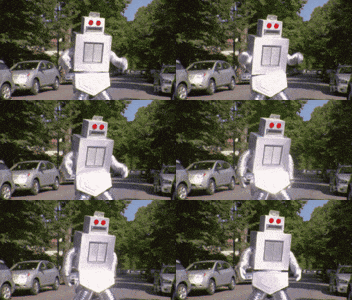
💀 The Internet is Starting to Feel... Empty? Have you ever scrolled through social media and felt like you were seeing the same few posts over and over, or like you were talking to someone who wasn't quite real? You're not alone. The "Dead Internet Theory" started as a wild idea on online forums: the thought that much of the internet is no longer run by real people, but by automated machines (bots) designed to look and act human. Guess what? Recent research suggests this spooky idea is starting to become a reality in how we experience the web. 🤖 The Machines Have Taken Over the Traffic Lane It's no longer a conspiracy theory—the numbers show that non-human activity is now the majority of the web. - Bots Are the Majority: For the first time last year, the majority of web traffic wasn't from you and me. According to a 2024 report, 51% of all internet traffic is now from automated systems (bots). - AI Writes More Than Humans: On top of that, AI-generated articles have now surpassed human-written articles in volume. - It's an Ecosystem of Bots: Researchers describe social platforms as "machine-driven ecosystems," where bots are creating fake interactions—like pumping up the number of likes, shares, and comments—to make platforms look busier than they are. As one expert put it: "You end up reading machines summarizing other machines.” 🤔 Why is This Happening? It Comes Down to Money. The main reason the internet is getting so crowded with bots isn't just about cool new tech; it's about financial incentives. - Cheap and Fast Content: AI agents can create massive amounts of content—videos, posts, articles—at machine speed and practically no cost. - Rewarding Fake Engagement: Online platforms are set up to reward engagement (likes, shares, comments). When fake engagement is cheap and rewarded, companies and bad actors will churn out bots and content just to chase clicks and make money. In short, "Humanness has become just another signal to fake in order to make money," says sociologist Alex Turvy.
Poll
1 member has voted
1
0
Aug '25 •
🖼️ 🏠 Bring on The NFT Revolution!
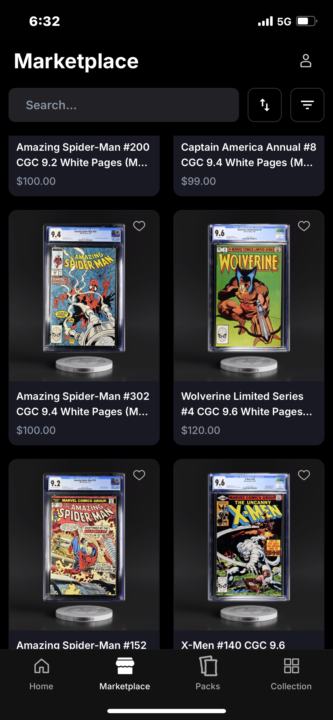
NFTs are revolutionizing ownership by turning physical and digital assets into verifiable, tradeable tokens on the blockchain. Whether it’s PSA-graded sports cards, fine artwork, or even fractionalized real estate, NFTs provide immutable proof of authenticity, transparent ownership history, and instant transferability without middlemen. This shift enables collectors and investors to securely buy, sell, and showcase assets globally, unlocking new markets and liquidity for once-illiquid items. In short — NFTs are redefining how we own, value, and exchange the things we treasure.
1
0
1-2 of 2
powered by

skool.com/web3-wealth-academy-3368
We help Christians grow their income and knowledge in Crypto and Web3 . ♥️✨ Our mission: to redefine Trading for Christians across the globe
Suggested communities
Powered by