
Write something

Mar 27 •
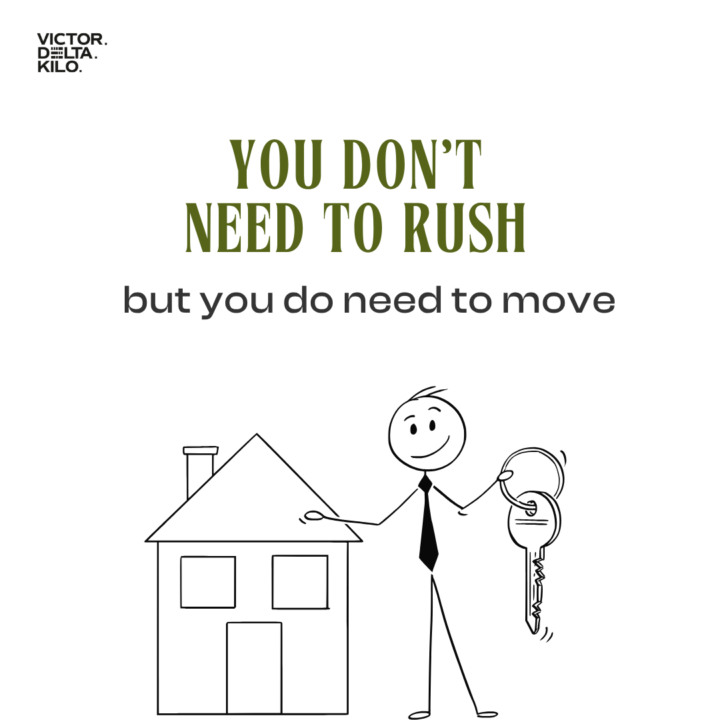
You don’t Need to Rush, but you do Need to Move
Buying property isn’t about rushing into the first thing you see. But it’s also not about standing still. The people who get ahead aren’t always the fastest; they’re just the ones who keep moving forward. That might look like • Getting clarity on your borrowing power• Fixing small things in your position • Learning what a “good deal” actually looks like Step by step, things start to shift. You don’t need to have it all figured out today. You just need to take the next step.
0
0
Mar 25 •
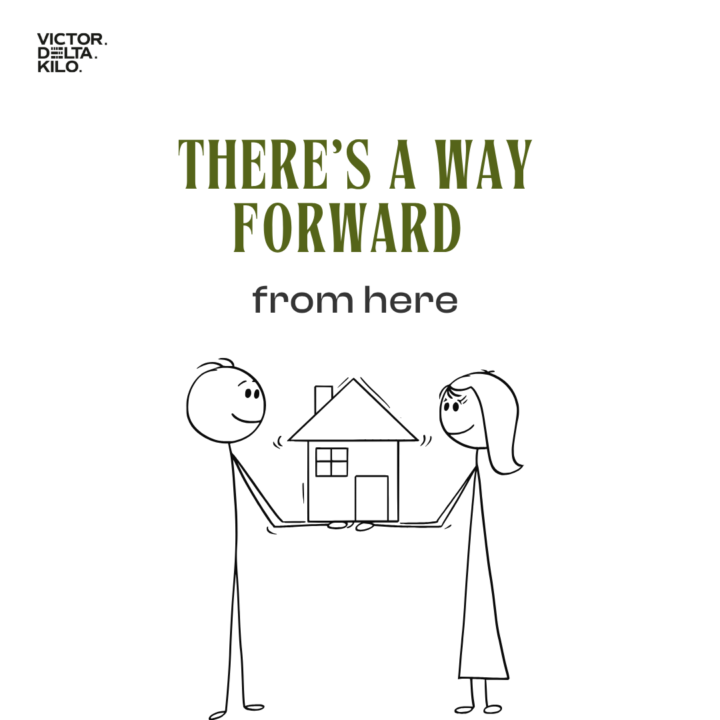
Your property journey doesn’t have to feel stuck
There’s a way forward from here. Whether you’re renting, saving, or thinking about your next property, it can feel like the gap is getting wider. Prices move, rates change, and it’s easy to feel like you’re falling behind. But the reality is, there are pathways, whether it’s buying your first home, refinancing, or planning your next investment, there’s always a next step available to you. With the right structure and guidance, property becomes a lot less overwhelming. It’s not about having everything perfect, it’s about understanding your options and making a move that works for you today. From your first home to building a portfolio, you don’t have to figure it out alone. There’s a way forward, and it starts with a plan.
0
0
Mar 20 •
The deal you’re waiting for is costing you
Everyone’s waiting for the “perfect” time to buy. Better rates. Better prices. More certainty. But here’s the truth—The deal you delay today could cost you years of growth tomorrow. Property isn’t about timing the market perfectly. It's about time in the market. Every year you wait: • Prices can move • Rent keeps rising • Your borrowing power can change And suddenly, what was affordable… isn’t anymore. You don’t need the perfect property. You need the right strategy.
0
0

Mar 13 •
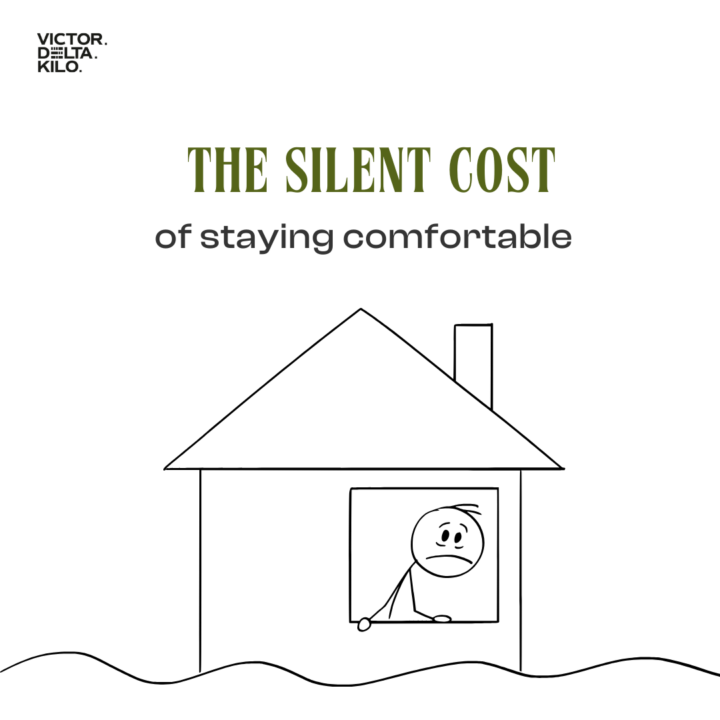
The Silent Cost of Staying Comfortable
Comfort feels safe. But comfort rarely builds anything meaningful. Most people aren’t stuck because they lack intelligence or opportunity. They’re stuck because they stay in routines that feel easy today but expensive tomorrow. Growth almost always starts with something slightly uncomfortable: learning a new skill, asking a difficult question, or admitting you don’t know something yet. The people who change their lives usually don’t wait for confidence. They move first, and confidence catches up later. What’s one uncomfortable step you know you should take this year?
0
0
Mar 10 •
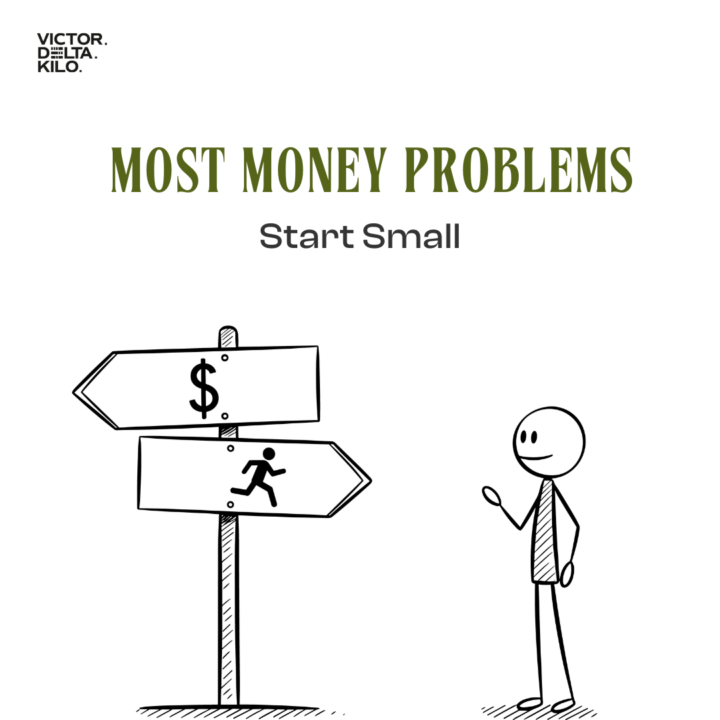
🧠 Most Money Problems Start Small
Big financial problems rarely appear overnight. They usually start as tiny things that seem harmless at the time, a subscription you forgot about, a purchase you justified, a bill you decided to deal with later. One by one, they don’t feel like much. But stacked together over time, they quietly shape your financial reality. The good news? The same thing works in your favour. Small positive moves compound too. One automated transfer. One extra repayment. One moment of pause before spending. You don’t need dramatic changes to improve your finances, you just need small decisions pointing in the right direction.
0
0
1-30 of 134

skool.com/vdk-learn-money-basics-aus-6107
Tired of feeling like you're falling behind? Can't seem to work out how to own your first home? What about your 10th? Here to help with all the above
Powered by