
Write something
Pinned

Oct '25 •
Welcome - The Vision 🚀
[IMPORTANT READ] Wow! I want to take a moment to thank each and every one of you who has already joined We The People. Together, the goal is simple... Bring in over 100+ proud Americans into this vibrant group, and fill it with energy, unity, and freedom-loving conversation! Everyone here shares one common value: love for the USA 🇺🇸 — and this is a space where we can come together, speak freely, and build meaningful connections. Think of Skool as our digital town square — whether you're stepping away from Facebook censorship, seeking deeper conversations, or just looking for community, this is where We The People gather. What you'll get from this group: 🔹 A safe space to celebrate American values 🔹 Real conversations about freedom, liberty & the Constitution 🔹 Encouragement, community, and like-minded friends 🔹 Member-led discussions, polls, and uplifting content 🔹 Tips on civic action, preparedness & standing up locally Our first mission as a group: 🔥 Reconnect proud Americans around shared values 💥 Encourage open, respectful dialogue 🗽 Build a strong, freedom-first community 💡 Empower each other with resources, truth, and support A few things to note: 1️⃣ This community is for ALL USA lovers — whether you're just getting involved or have been standing for freedom for decades. 2️⃣ Be kind, stay respectful, and stand tall. 3️⃣ Make sure to say hello below and introduce yourself! Let us know where you're from and why you love this country. 🇺🇸 4️⃣ Feel free to share your own posts — memes, news, inspiration, or questions welcome! Let’s make this fun, empowering, and 100% pro-USA! 🎉Welcome to the community. — Ron
1
0
Oct '25 •
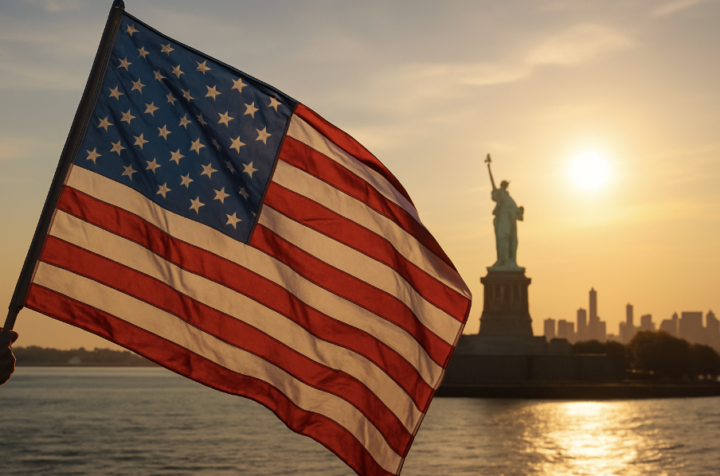
🗽 What Does Freedom Really Mean in America?
n today’s fast-moving, divided world, the word "freedom" gets thrown around a lot. But when you pause and think — what does freedom actually mean? Is it the same for everyone? According to a recent piece from The Fulcrum, the answer is more complex than many realize. Freedom is often at the heart of American identity. From our earliest founding documents to our modern-day debates, the idea of being “free” has been a unifying (and sometimes dividing) force. But the article argues that freedom has been twisted, politicized, and misunderstood across the board, no matter your side of the aisle. 🔍 The Two Sides of Freedom The Fulcrum breaks down how people in America tend to define freedom in two primary ways: 1. Freedom from interference — the government can’t tell me what to do. 2. Freedom to access opportunity — everyone deserves a fair shot at life. You’ll hear these show up in debates on masks, vaccines, taxes, speech, guns, and so much more. But the truth is, both interpretations are valid. The challenge? We often fail to acknowledge the other side’s definition, and instead use "freedom" as a weapon — not a principle. 🧠 Weaponized Words The article points out how phrases like “freedom,” “patriotism,” and “liberty” are being used less as shared values — and more as political slogans to stir emotion. When a word like freedom becomes a tool for outrage instead of dialogue, we lose what it actually stands for. Let’s be honest — many of us hear “freedom” and immediately think of our rights. But freedom also includes responsibility: to protect the freedoms of others, even if we don’t always agree with them. That’s the foundation of a functioning democracy. 🛠️ Rebuilding Our Shared Meaning So, how do we move forward? The article suggests we need a cultural reset — a way to reclaim freedom, not just as a political talking point, but as a shared American ideal. That means: - Having honest conversations about what freedom means to you - Respecting others’ definitions, even when you disagree - Refusing to let any party, media outlet, or influencer hijack the concept
Oct '25 •
🔥 What Are YOU Fighting For?
Whether it's freedom of speech, faith, family, or future generations… share the cause closest to your heart.
Oct '25 •
🎖️ Family or Personal Military Connection?
Honor the service — post a photo or story about someone in your life who served this country.
Oct '25 •
🇺🇸 A Ticking Clock on American Freedom
The notion of American freedom has long been a hallmark of this nation’s identity. But as the article from The Atlantic argues, that freedom is now facing a serious reckoning—a “ticking clock” signaling that the liberties we take for granted may be more fragile than we believe. At the heart of the article is the warning that the United States is drifting toward what scholars call competitive authoritarianism—a system in which elections and institutions still exist, yet the playing field has been so tilted in favor of the incumbent that real democratic competition is undermined. The writer cautions that this drift isn’t coming from a coup or sudden takeover—it’s stealthy, incremental, and easily dismissed until it’s too late. ⏳ What’s Changing? One of the key signposts in the article is how independent agencies and democratic checks are being weakened. The article references how regulatory bodies, oversight boards, and media scrutiny—once bedrocks of accountability—are being systematically eroded. The message is clear: when power becomes less constrained and opposition faces structural disadvantages, the “freedom” that citizens enjoy starts looking increasingly symbolic. The piece argues that this isn’t just a domestic issue—it has global ramifications. As the U.S. appears less committed to its own democratic ideals, authoritarian regimes around the world are emboldened. The United States, once a global standard-bearer for liberty and human rights, risks losing its moral authority. 🧭 Why This Matters for Us For a community like ours—patriots, freedom‑lovers, Americans who care deeply about what our country stands for—this is not just political trivia. It’s a call to vigilance. The article implies that we each have a role to play, not just as spectators, but as active defenders of the democratic framework. The freedoms enshrined in our Constitution, the culture of open debate, the accountability of elected officials—all of these rely on our participation. Moreover, the idea of freedom for Americans extends beyond abstract ideals. It’s about tangible rights—the right to speak, to assemble, to participate, to be heard. When the infrastructure of these rights erodes, so does the lived experience of freedom. The article makes the point that liberty isn’t self‑sustaining—it requires maintenance, awareness, and sometimes, resistance.
0
0
1-7 of 7
skool.com/usa
An EXCLUSIVE community for USA lovers to CONNECT, DISCOVER shared values, and UNLOCK real conversations that matter 🇺🇸
Powered by