
Write something
10h •
Three peptides. Three completely different areas of research.
hree peptides. Three completely different areas of research. MOTS-c — studied for its relationship with mitochondrial function and cellular energy. GHK-Cu— researched in connection with tissue remodeling, skin biology, and cellular repair pathways. Epitalon— investigated for its potential relationship with cellular aging and longevity-related mechanisms. The science of aging goes far beyond what we see on the surface—it reaches all the way down to the cellular level. Which of these three research areas do you find the most interesting? Educational discussion only. Research Use Only. Not for human consumption or medical use. #PeptideResearch #ResearchCommunity #LongevityResearch #CellularResearch #MitochondrialResearch #GHKCu #MOTSc #Epitalon
0
0

7d •
Welcome
🚀 Welcome to the TruePeptideLabs Community! We’re excited to officially start building our community here on Skool. This space is where we’ll share: 🧪 Research-focused education 📚 Helpful guides & resources 📢 New product and company updates 🎁 Exclusive giveaways & promotions 💬 Community discussions and Q&A 🔥 Behind-the-scenes content from TruePeptideLabs Our goal is to create a place where everyone can learn, connect, ask questions, and stay up to date with everything happening at TruePeptideLabs. 👇 Introduce yourself below! Tell us where you’re from and what kind of research content you’d like to see us cover. Welcome to the community! 🧬 — TruePeptideLabs Team Research Use Only – Not a supplement or injectable. Only for scientific research applications.
0
0
Jul 8 •
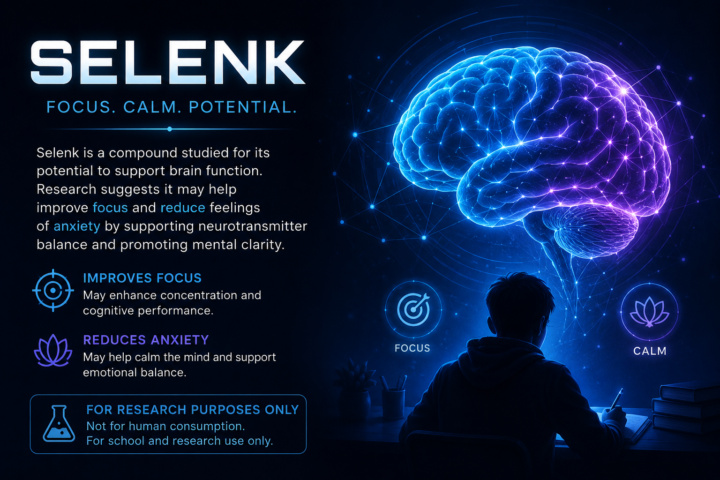
🧠 Why are researchers interested in Selank?
Selank is a synthetic peptide being studied for its potential effects on the brain's neurotransmitter systems involved in stress, attention, and mood. Early research suggests it may help support mental clarity, improve focus during demanding cognitive tasks, and promote a calmer response to stress by influencing pathways such as GABA and serotonin. While these findings are promising, additional high-quality research is needed to better understand its effects and mechanisms. 🔬 For research and educational purposes only. Not for human consumption or medical use.
0
0
Feb 18 •
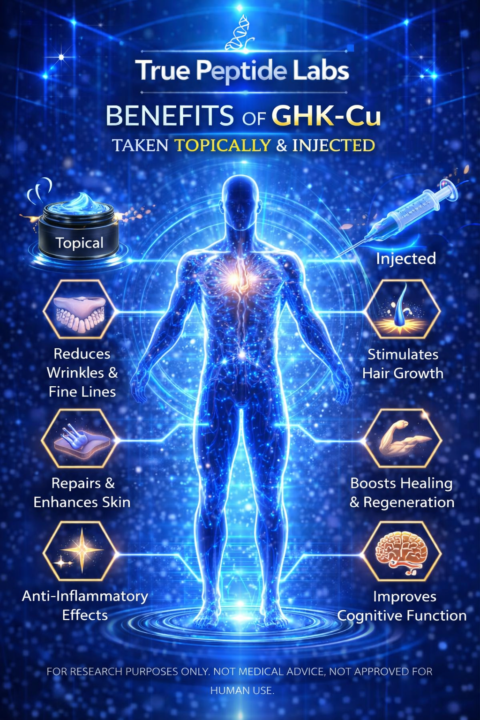
GHK-Cu Explained: The Science Behind Skin Repair, Hair Support & the Golden Hour Glow
GHK-Cu is a naturally occurring copper peptide studied for its role in supporting the body’s repair and regeneration processes. Research has shown it may help support collagen production, improve skin elasticity, and enhance overall skin appearance when studied topically. GHK-Cu has also been studied for its potential to support hair follicle health, tissue recovery, and inflammation balance. These effects are linked to its interaction with cellular repair pathways and its ability to help maintain healthy skin and tissue function. This content is for educational purposes only and is not medical advice. Peptides mentioned are for research use only and not approved for general human use. #ghkcu #peptideresearch #skinhealth #truepeptidelabs #researchonly What do y’all think of GHK-CU would you research ?
1
0
Feb 10 •
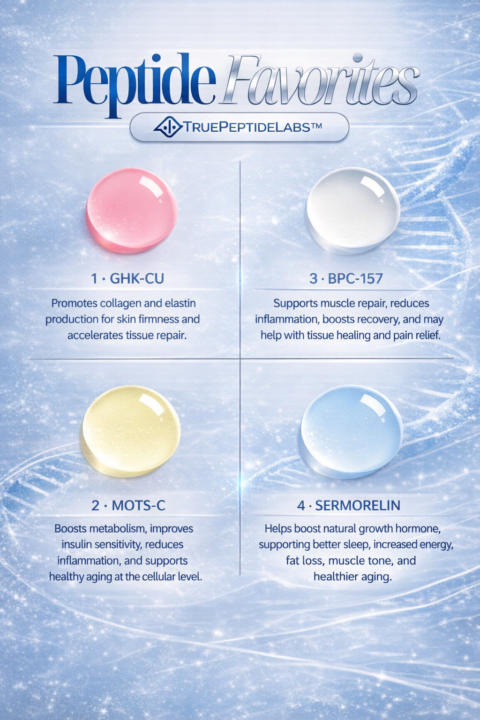
Peptide favorites, simplified 🔬✨
From skin + recovery to metabolism and healthy aging, these research peptides are commonly studied for how they support the body’s natural signaling systems. GHK-Cu • MOTS-C • BPC-157 • Sermorelin Each one serves a different purpose — and understanding why matters more than chasing trends. Education first. Research always. TruePeptideLabs 🧬
1
0
1-10 of 10
powered by
skool.com/true-peptide-labs-education-4365
A trusted community for peptide education, research protocols, and quality standards—learn, discuss, and stay informed.
Suggested communities
Powered by