Think Outside the Cell Comm.
Private
149 members
Free

Welcome to the Think Outside the Cell Community — where personal transformation meets financial freedom.
This community is for justice-impacted individuals and allies committed to breaking cycles of poverty and incarceration, building wealth, and creating a new legacy.
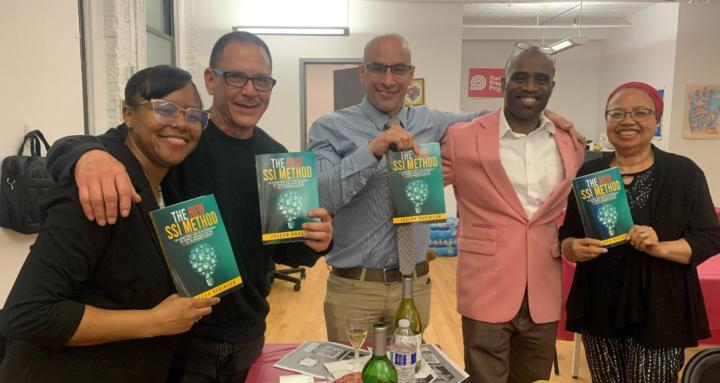
We use the wealth-building SSI Method Framework (Spending Plan, Savings Plan, Investing Plan) and the GDP Framework (Gratitude, Detachment, Perspective) to help you shift your mindset, master your money, and take control of your future.
Inside, you’ll find workshops, challenges, community wins, and real-life game changers.
You don’t have to go back to who you were—you get to become who you were meant to be.
📚 Visit our store: Shopthinkoutsidethecell
📺 Watch on YouTube (Think Outside the Cell)
📸 Follow on Instagram (mindfulmoneyllc)
📩 Subscribe to our weekly Newsletter: The SSI Way
skool.com/think-outside-the-cell-comm
Think Outside the Cell is a community helping you shift your mindset, take control of your money, and build wealth through the SSI Method.
Powered by