
Jan 30 •
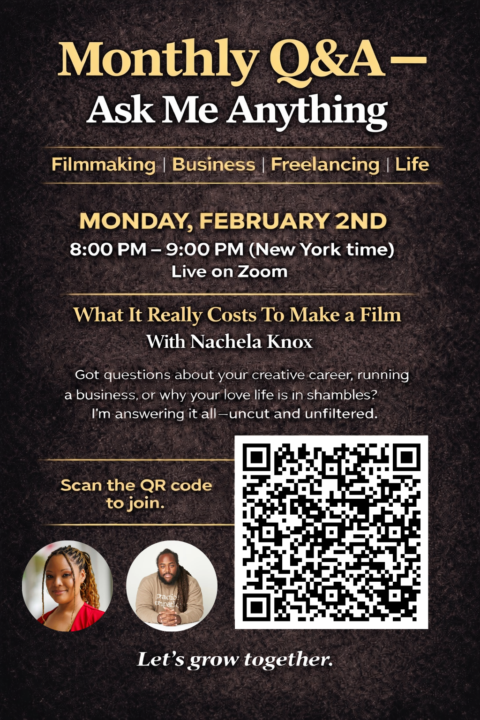
🎥 FREE Monthly Q&A: What It Really Costs to Make a Film
Pricing has been confusing for me since the very beginning of my filmmaking journey. For years, I didn’t know what things should cost, what people should be paid, or how to even begin budgeting in a way that felt realistic. I was either underpaying, overextending myself, or just guessing and hoping for the best. It took me almost 10 years before I finally used other people’s money to fund a project — through a City of Charlotte grant. That experience completely shifted how I think about budgeting, scale, and perspective. So for this month’s FREE Ask Me Anything Q&A, I’m breaking things down honestly — with real numbers and real examples. Here’s what you’ll walk away understanding: • What professional rates should look like (when budgets allow) • How we realistically budget and execute projects under $20K • How to create meaningful work with little to no money at all It’s not about one “right” way — it’s about perspective. I’ll be joined by @nachelaknox of @gogetherproductions, who brings a whole other layer to this conversation. Nachela has worked with investors, backend agreements, and revenue planning, and she’ll be speaking on: • How films can actually make money • What that planning should look like in pre-production • How to think beyond just “getting the film made” 🗓 Monday, February 2 ⏰ 8:00–9:00 PM (ET) 💻 Live on Zoom Free to attend — registration required to receive the Zoom link https://www.eventbrite.com/e/ask-me-anything-what-it-really-costs-to-make-a-film-tickets-1981979929322?aff=oddtdtcreator If budgeting has ever felt confusing, intimidating, or out of reach — this conversation is for you. Let's talk about it....what do you know about film costs? What's one of your biggest questions?
0
0
Jan 23 •
Taxes? You worried about TAXES??
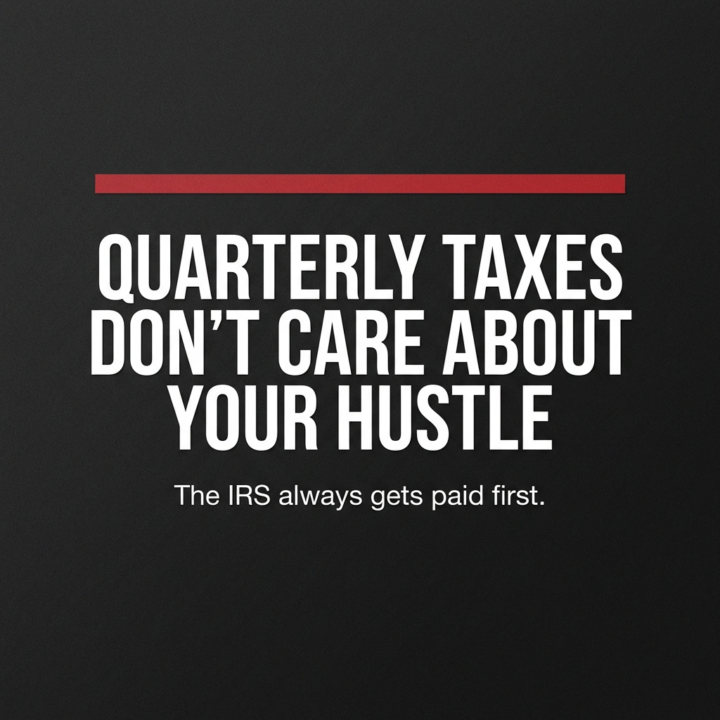
Nobody told me about quarterly taxes. Or maybe they did—and I wasn’t listening because I was too busy “running a business.” Either way, I got hit with a tax bill I wasn’t ready for. More than once. The IRS doesn’t care how hard you worked. They don’t care that you reinvested everything. They want their cut—on time, every quarter. There are strategies to make this less chaotic, and you should absolutely consult a CPA about your specific situation. But here’s the simple truth: If you’re doing any work where you’re not a W-2 employee and you’re filling out W-9s, you owe taxes. Paying quarterly just helps soften the blow at the end of the year. Now, I set aside 30% of every payment before I even think about spending it. It’s the boring side of business—but trust me, it gets exciting for all the wrong reasons if you don’t plan for it starting in January. I’m still paying for not knowing this early on. Do you know if you owe taxes? Let's talk about it.
1
0
Jan 19 •
The Number That Actually Matters
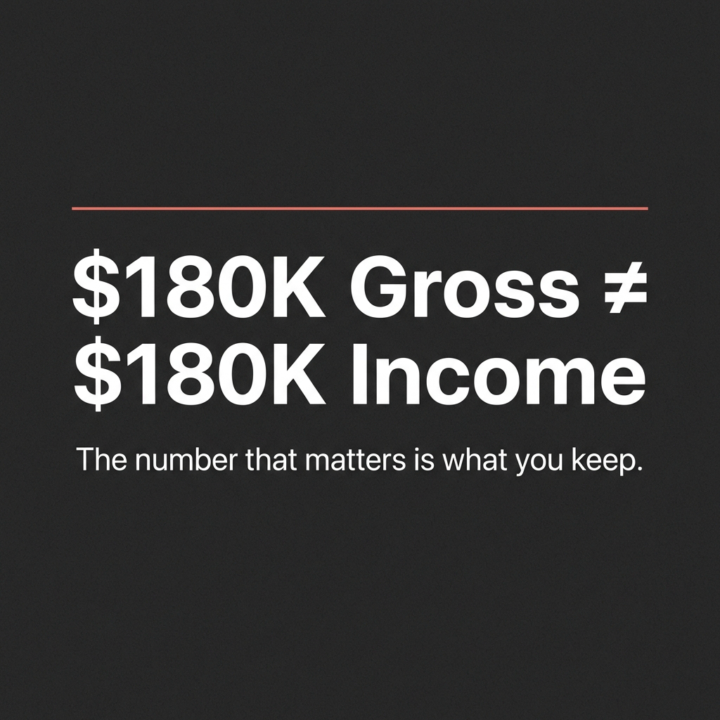
You’ll hear a lot of people say, “Take my course and I’ll help you make 10K a month.” What’s usually missing from that statement is context. Is that company revenue? Profit? Before expenses, contractors, and taxes? Because those numbers tell very different stories. At one point, my company was grossing around $180K a year. Sounds great on paper. But once everything was paid out, what remained was far more modest. Like… uncomfortably more modest. (Someone please help me be less modest by the end of 2026 😅) This isn’t a warning—it’s an explanation. And honestly, something I’m still learning and refining nearly 10 years into business. Gross revenue makes for good marketing. Net income is what actually sustains you. Understanding the difference changes how you build. And how you charge. Tap in — what’s one financial lesson you’ve learned while growing your creative business? . . . #CreativeBusiness #CreativeEntrepreneur #IndieFilmmaker #skoolcommunity
Jan 20 •
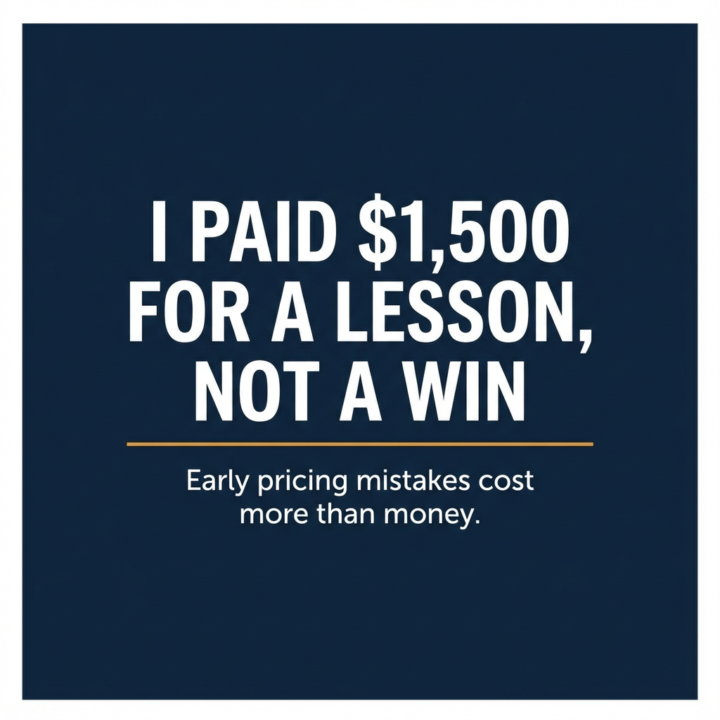
My $1,500 Documentary Lesson
Back in 2016, fresh out of college, I landed my first “big” film client. I sent over a Google Form because I hated asking about money (still do, honestly). When it came back and the client checked the $1,000+ budget box, I was hyped. At that point, anything over $50 felt like a win. I took the project—and in hindsight, the budget should’ve been $15K minimum. I charged $1,500 for a feature-length documentary.I did the filming, audio, editing, and traveled across the South to make it happen. Why? Because I didn’t know any better.I didn’t understand my costs.I spent too much time feeling “bad” for charging “so much” and didn’t want to push higher. Based on my limited experience and gear at the time, $1,500 felt reasonable. It wasn’t. That project taught me more than any course ever could—but the tuition was brutal. When I zoomed out and accounted for the hours spent driving, filming, editing, refining… I realized I made less than minimum wage. Here’s why this matters:When you’re pricing yourself, ask for input. Ask people you trust. Hell, ask ChatGPT nowadays. Even if you’re new, your time still has value. What you’re doing is still a service. You might come in cheaper than more established companies—and that’s okay.But you should never walk away from a paid project feeling like you had to pay to take it on. What’s the lowest you’ve ever charged for something you should’ve 10x’d?(No judgment. We’ve all been there.) Let’s discuss...
1-4 of 4
powered by
skool.com/the-sound-dept-5062
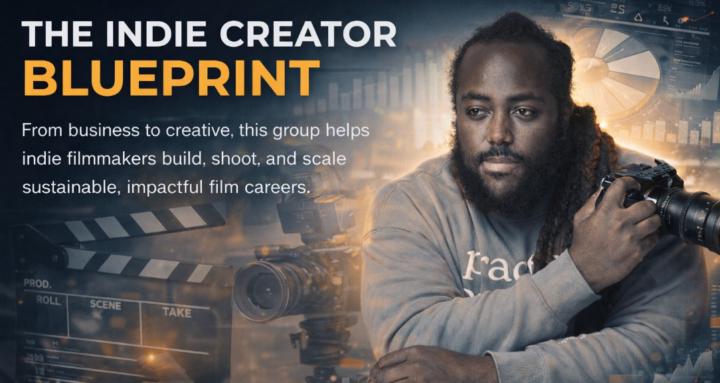
From business to creative, this group helps indie filmmakers build, shoot, and scale sustainable, impactful film careers.
Suggested communities
Powered by