
Write something
Pinned
Pinned

9h •
Why Look For the Shadow
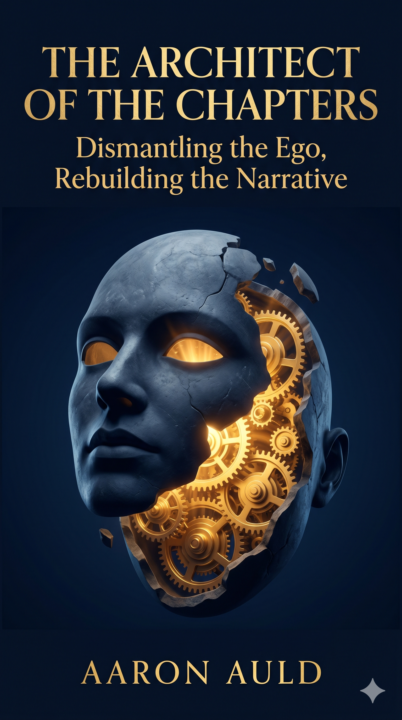
The Preface: The Architect of the Chapters They tell the delivery drivers to snap a photo of the food before they leave the porch. That’s the rule. But when my driver arrived, he didn’t see a meal; he saw me, passed out cold on my own front stoop. So, he took a photo of me instead. Then there’s the second photo in the gallery—the one featuring twenty-two stitches, five staples, and the kind of facial reconstruction that only a car-tree-fence trifecta can provide. I was behind the wheel of my then-girlfriend’s car, five times over the legal limit. She was sober; I was a wrecking ball. The third, fourth, and fifth photos? They aren't special. They’re just Tuesday. For nearly twenty years, I used alcohol as a tactical distraction to avoid looking at my shadow. I smashed my face a dozen times—and let’s be honest, it was a big-ass nose to begin with, so it really didn't need the extra character building. I drank because looking at the things I hated about myself meant remembering things I wanted to keep buried. I wasn't ready to cry because my heart hadn't figured out what those tears were for, and my eyes were convinced that staying blind was a form of self-preservation. We all have the same story structure: the "Intro," the "This Job" chapters, and the "That Relationship" time periods. We measure our lives by the goals we haven't reached while conveniently ignoring the ones we have. There is a specific kind of ache that lives in that gap between what we’ve done and what we’ve failed to do. For a long time, I treated that space like a forbidden room. I kept the door locked, reinforced the frame with a bottle, and turned up the volume on my own chaos until the silence couldn't catch up to me. But silence is patient. And my shadow—the one I spent two decades trying to outrun—has finally caught up. It’s no longer something I’m hiding from; it’s the architect of the chapters that follow. My story isn't a linear progression of triumphs; it is a collection of reckonings. It is the long, messy transition from a man who used chaos to numb the memory to a man who uses clarity to build the future. I’m no longer interested in the parts of the story where I was just surviving the plot. I’m interested in the parts where we finally decide what the story is about.
0
0

Pinned
1d •
🚀 IT’S LIVE: Welcome to the Community + Your Free E-Book Inside!
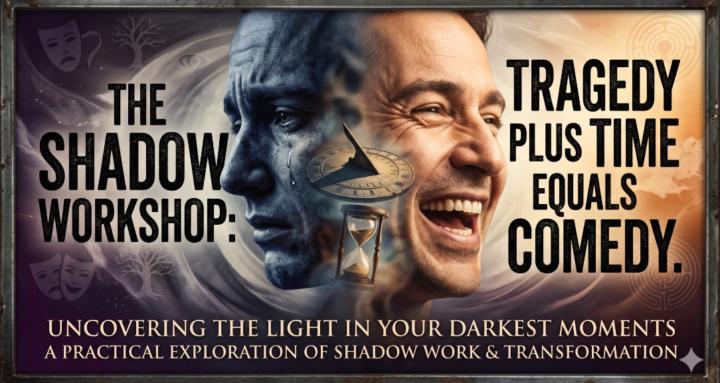
CRYING ALONE??? THAT'S OK..... BUT THEN LETS LAUGH TOGETHER!!! TRAGEDY + TIME = COMEDY Hey everyone! 👋 The doors are officially OPEN. Welcome to the community! This group was built to be a high-value space for growth, collaboration, and learning, and I am incredibly excited to have you all here from Day 1. To kick things off with massive value, I’ve put together a special launch gift for you. I just dropped my brand new short e-book, "Tragedy Plus Time Equals Comedy," directly into the classroom/attachments below! 📘✨ 📖 What is the E-Book About? We’ve all been there—flat on our backs, dealing with a total disaster, wondering how things went so wrong. This book is a quick, insightful, and humorous exploration of the ultimate equation for human resilience: Tragedy + Time = Comedy It breaks down how to take life’s most frustrating, awkward, and brutal "rough drafts" and rewrite them into the stories and punchlines that connect us with others, lower the stakes, and give us back our power. 🛠️ Your Next Steps: 1. Download the E-Book: Grab the PDF attached to this post (or find it in the Classroom section)! 2. Introduce Yourself: Drop a comment below! Tell the group who you are, what you’re working on, and—in the spirit of the book—the funniest "micro-tragedy" you can laugh at now. Thank you for being part of this launch. Let's win together. See you in the comments! 👇
2
0

1d •
6 Workshops, 1 Week Each, 1 Exercise for Every Day of the Week!
Friends, Ive put up live what the 6 week workshop will look like. Feel free to take a look. And feel free to come back this evening when the full week 1 is set up. Take a peak if you'd like, but dont skip ahead!!! Have I mentioned this is go at your own pace? Well, yeah, in that case, do whatever you like.
2
0
1-7 of 7
skool.com/the-shadow-workshop
Tragedy + Time = Comedy:
Cry =>Alchemize=>Goof
Leaderboard (30-day)
1

+2
2

+1
Powered by