
4d • General discussion
Why Do Sighthounds Behave Like Aristocrats?
Anyone who has lived with a greyhound, saluki, borzoi, iggy or a true sighthound for a while usually notices the same thing: These dogs have a certain presence.
It might be hard to explain at first.
They are not usually the type of dog that charges into a room demanding attention. Many will quietly walk over, look around, and decide for themselves whether they want to join the activity or continue resting somewhere comfortable.
They seem to have their own sense of timing.
A visitor arrives? They might politely investigate.
A strange noise outside? They might lift their head, think about it, and decide it is not worth getting involved.
A new blanket appears on the sofa? They will probably be the first to test it.
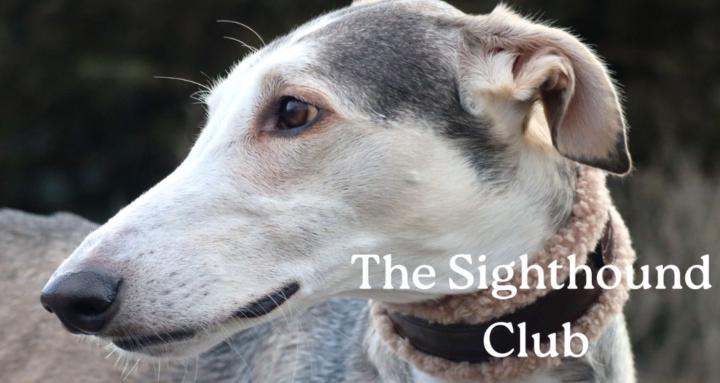
There is a reason many people describe sighthounds as having an aristocratic personality. It is not only because of their elegant appearance. Their long legs, narrow faces, and graceful movement certainly add to the impression, but their behaviour often reflects the history behind these unique dogs.
They were hunters, not competitors.
One thing many sighthound owners notice is how calmly their dogs approach food.
Of course, every dog is an individual. Some sighthounds love their meals, and some can be picky, but many do not have the same frantic attitude toward food that people sometimes see in other breeds.
Part of this goes back to their original purpose.
Sighthounds hunted by sight. They were expected to spot prey, make quick decisions, and work with a high level of independence. Their job was not to constantly compete with other dogs around a shared resource or wait for humans to direct every move.
They developed confidence.
For many of them, food is simply part of the routine rather than a moment of urgency.
They will get there when they get there.
They know when to save their energy.
A sighthound can spend an entire afternoon looking like the laziest creature in the house.
Then suddenly, when given the chance to run, that same dog becomes something completely different.
Watching a sighthound's sprint is a reminder that these dogs were not designed for endless activity. They were built for speed — powerful bursts of movement followed by plenty of recovery time.
Their bodies are incredibly efficient.
A long nap is not a sign that they are bored. It is exactly what many of them are naturally comfortable doing.
They are not wasting energy. They are saving it for when it matters.
They are independent by nature
People who are used to highly responsive working breeds sometimes find sighthounds surprising.
Many of these dogs are affectionate and deeply connected to their families, but they often do not have the same need to constantly check in or seek approval.
That independence also comes from their past.
A hunting sighthound chasing prey across open land could not stop every few seconds and wait for instructions. They needed to judge distance, speed, and movement on their own.
That ability to think independently is still part of who they are.
Living with one can sometimes feel like sharing your home with a very polite creature that listens carefully, considers your request, and then decides whether it agrees.
They have strong opinions about comfort
Few things reveal the personality of a sighthound better than their relationship with sleeping.
They appreciate comfort.
A soft blanket, a warm bed, a sunny patch on the floor — these things are taken very seriously.
Their preference for comfortable places is not just a funny habit. Many sighthounds have thin coats, little body fat, and naturally lean frames, which means they often feel cold more easily than people expect.
So when your dog chooses the best cushion in the house, it is not necessarily being spoiled.
It may simply understand good design.
Of course, this does not stop many sighthounds from choosing the one place they know they are not supposed to sleep: your bed.
They are quiet observers
Sighthounds are not silent dogs, but many owners notice that they are often less noisy than some other breeds.
They usually do not feel the need to comment on every movement outside or make themselves heard throughout the day.
Instead, they communicate in quieter ways.
A look across the room.
A gentle touch of the nose.
A slow walk toward you when they decide it is time for attention.
They are very expressive dogs, but they often use body language more than sound.
Once you learn to read them, you realise they are constantly communicating.
They do things on their own schedule
One of the most charming things about living with a sighthound is that they rarely seem in a hurry.
They take their time getting up.
They choose carefully where they want to sit.
They may ignore a toy for hours and then suddenly decide it is the most important object in the world.
There is a certain confidence in the way they move through life.
They do not seem desperate to impress everyone around them. They are comfortable being themselves.
That quality is probably one of the reasons people become so attached to them.
So why do they feel like little aristocrats?
When people compare sighthounds to aristocrats, they are usually talking about more than appearance.
It is the combination of their independence, their calm nature, their appreciation for comfort, and the way they seem to carry themselves.
They were shaped by centuries of selective breeding to be observant, athletic, and self-directed.
They are not trying to look elegant.
They simply are.
0
0 comments
Why Do Sighthounds Behave Like Aristocrats?
powered by
skool.com/the-noodle-gazette-6545
A community dedicated to sighthounds! It is all about our beloved noodle-dogs—nothing more, nothing less. If you have a sighthound, join us!
Suggested communities
Powered by