
Write something

Feb 28 •
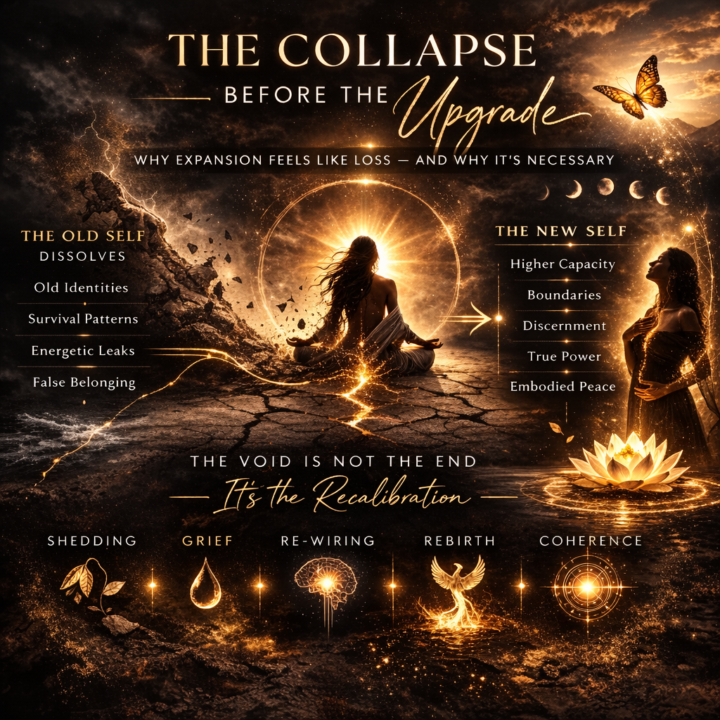
The Collapse Before the Upgrade: Why Expansion Feels Like Loss.
If you have been feeling flat, disoriented, less motivated, or strangely unsettled lately, this may help you reframe what is happening. The exploration on the link below invites you to consider: • What an internal “upgrade” actually is• Why growth often feels like grief• How identity recalibrates before expansion stabilises• How to tell the difference between regression and reorganisation You do not need to rush through the material. Let it land slowly. If anything resonates, or if you notice yourself in the collapse phase, you are welcome to share reflections underneath. There is no pressure to perform insight here. Just thoughtful noticing. Sometimes what feels like a low point is actually the nervous system preparing for a higher baseline. Go gently with it. A PDF version is also downloadable. https://the-collapse-before-the--6rgrb8j.gamma.site/
0
0
Feb 1 •
The Goddess Brigid and Imbolc
Brigid is one of the oldest figures in Celtic spiritual life, not a distant goddess of myth, but a living presence woven into land, survival, and daily ritual. Long before she became Saint Brigid, she was honoured as keeper of the hearth fire, guardian of healing knowledge, and protector of thresholds. Her role was practical, embodied, and relational. She tended what was fragile while it became strong. Imbolc sits naturally within her domain. It marks the seasonal midpoint between winter solstice and spring equinox, a time when the earth has not yet changed on the surface, but life has already begun to stir underneath. Historically, this was a festival of tending rather than celebration, of milk and lambing, warmth and protection, quiet continuity rather than visible growth. Imbolc is an ancient Celtic festival marking the midpoint between the winter solstice and the spring equinox. It is traditionally observed on 1 February, with some observance extending into 2 February. Imbolc is associated with the first stirrings of life beneath the surface. It is a time of tending, protection, and quiet preparation rather than visible growth. In Celtic lands, this period was linked to lambing, the return of milk, and the gradual lengthening of days. The land is still wintered, but something has already begun to move. Imbolc honours early light, inner fire, and the patience required to nurture what is not yet ready to bloom.This is why Imbolc rituals were never about calling things in. They were about safeguarding what was already forming. Brigid’s fire was not a blaze, but a steady flame that stayed lit through cold months and long nights. A simple way to honour this energy is to light a single candle in the evening and sit with it for a few minutes, without intention setting or outcome seeking. Notice what in you feels tender, unfinished, or quietly alive. Ask what it needs in order to be protected over the coming weeks. Let the answer be practical rather than symbolic. Imbolc reminds us that not all spiritual work is expansive. Some of it is about staying, tending, and trusting the slow intelligence of becoming. Brigid teaches that transformation happens through care, patience, and steadiness, not force.
0
0

Feb 1 •
Imbolc & The Snow Moon
https://open.substack.com/pub/drtracyspiritualemergence/p/imbolc-the-snow-moon-and-why-this?r=38jyad&utm_medium=ios&shareImageVariant=overlay
0
0
Jan 31 •
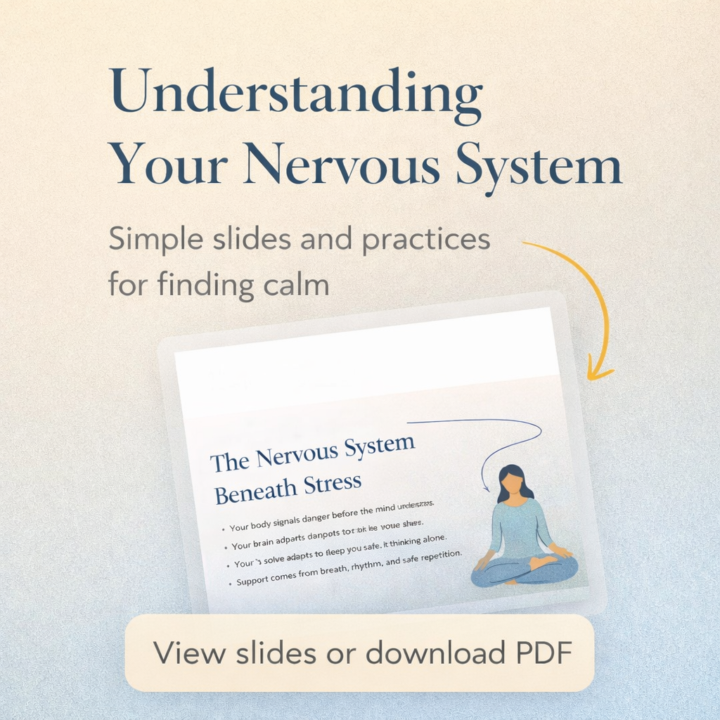
Finding Calm Through Nervous System Awareness
Most stress patterns show up as everyday experiences. Feeling on edge without knowing why. Functioning well while feeling internally tense. Crashing after holding it together. Wanting to rest but finding it hard to switch off. These are not signs that something is wrong. They are signs that your nervous system has been working hard. I have shared a short slide deck here that explains, in simple language, how the nervous system responds to stress and why the body often reacts before the mind understands. It also includes a few gentle, everyday practices you can try if you want to feel a little calmer, without forcing relaxation or self-improvement. You can click the link to view the slides or download the PDF and explore it in your own time. There is no right pace and no need to do everything. Even understanding what your body has been doing can be regulating in itself. Think of this as an introduction, not a programme. A way to begin listening to your nervous system rather than pushing it. https://gamma.app/docs/The-Body-Knows-First-Nervous-System-Safety-Vagal-Tone-and-Why-Hea-im7vgoak5wpgn7p
0
0
1-14 of 14
powered by
skool.com/the-feminine-field-3716
A trauma-informed feminine space blending psychology, nervous system work, and shamanic, nature-based spiritual integration.
Suggested communities
Powered by