
Write something

18d •
Personal Update
Well, My lower back surgery isn't until May 6th, so I hope to get a few more things posted for us before that date. Please make this space your own by sharing your culinary adventures with vintage recipes and old favorites that the rest of us are eager to try.
2
0
Mar 20 •
Which of these unusual ingredients was commonly used in Victorian-era desserts?
Answer coming soon... Correct Answer: B. Tomato In the 1800s, tomatoes were often treated like fruit (which they technically are!) and used in sweet puddings, pies, and even jam-like desserts—especially before sugar became widely affordable.
Poll
3 members have voted
Mar 13 •
The “Second Supper” Tradition
Many households once had a late evening meal after chores were finished. Recipe: Warm Milk Toast with Cinnamon Did your family ever have a second supper?
Mar 3 •
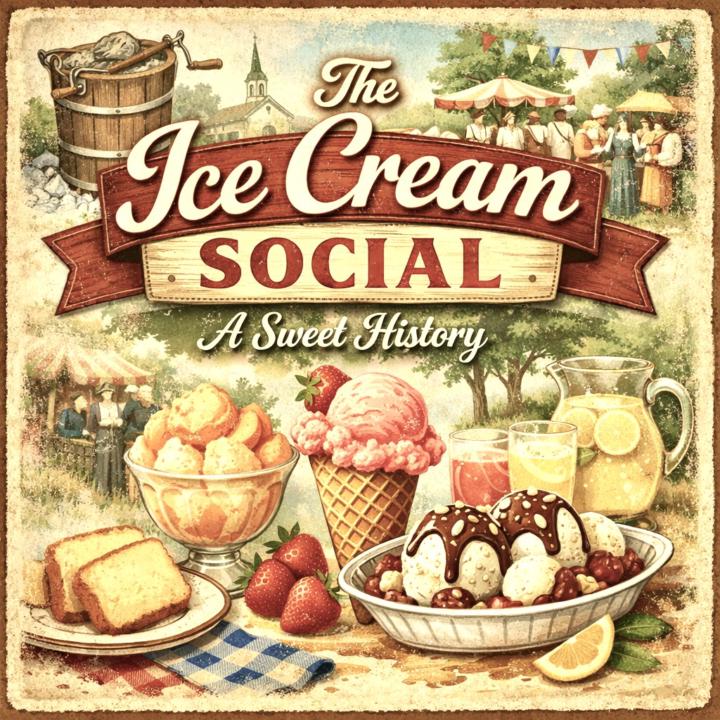
What Was an Ice Cream Social?
An ice cream social was more than dessert — it was an event. Popular from the mid-1800s through the early 1900s, ice cream socials were community gatherings often hosted by churches, schools, and civic groups. Before air conditioning, before television, before endless digital distractions — neighbors gathered on lawns, in church basements, or under shade trees to share homemade ice cream and conversation. It was simple. It was intentional. And it was deeply social. A Little History Ice cream became more accessible in the 19th century thanks to hand-cranked freezers (patented in 1843) and the growing availability of ice. By the late 1800s, communities across America were hosting ice cream socials as: - Church fundraisers - School celebrations - Political gatherings - Summer courtship events In small towns, it was often the event of the season. Women prepared churns of ice cream at home — vanilla, strawberry, peach when in season. Young people lingered near the serving tables. Ministers gave announcements. Children ran barefoot in the grass. The cost was usually just a few pennies a bowl, but the real currency was connection. Favorite Flavors & Treats While vanilla was the dependable classic, seasonal fruit often shaped the menu. Common favorites included: - Peach ice cream (a Southern summer staple) - Strawberry ice cream made with fresh-picked berries - Lemon custard for something a little special - Chocolate, once cocoa became easier to source Toppings were simple: - Crushed nuts - Fresh berries - Warm fruit compotes - Sometimes homemade syrups Alongside the ice cream, tables often held: - Pound cake or sponge cake - Sugar cookies - Lemonade or sweet tea - Occasionally pies Everything was homemade. Everything reflected the season. Why It Mattered An ice cream social wasn’t about extravagance — it was about gathering. It created space for: - Courtship and conversation - Fundraising for meaningful causes - Strengthening community ties - Slowing down in the rhythm of summer
2
0
Mar 3 •
Do You Have a Recipe You'd Like For Me to Research?
Do you have a vintage recipe idea but not the time to do the research? Drop your idea in the comments, and I'll do my best to compile that for you and post it here for everyone to enjoy.
1
0
1-6 of 6
powered by
skool.com/the-culinary-timekeeper-9542
Refashioning timeless meals with intention. Cook the past. Savor the present. Gain heritage skills that nourish today. Imaginative, Festive, and Fun!
Suggested communities
Powered by