Building a Model Studio – When it’s time to Lego
Sometimes you need to physically see the room before you fully understand it…
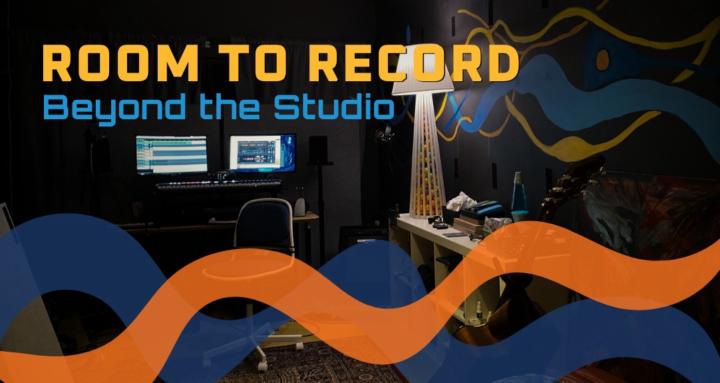
I recently took my 6-year-old son to our local library where, alongside books and video games, they have a huge table full of LEGO. Usually I spend the time looking through the vinyl LPs or involuntarily colour-coding all the LEGO pieces like some kind of mildly broken designer goblin. But this time, without really thinking about it, I started building a model of the studio.
At first it seemed silly. Then I realised it’s basically the same process. Moving furniture around. Testing layouts.Working out where things fit.
Once Freddy finished making his amazing “super transparent car,” he realised what I was doing and immediately joined in. “We need the yellow carpet, Dad…”
And suddenly we were thinking about workflow, movement, storage, sound, lighting and comfort.
A lot of home studio advice online jumps straight to expensive gear, but the actual room matters more than people admit. The shape of the space. The listening position. Where cables collect. Where instruments end up. Where clutter starts.
Whether the room actually makes you want to create.
Sometimes creativity starts with experimentation that looks a bit ridiculous from the outside.
Sketches. Tape on floors. Cardboard mockups. Why not LEGO?
Tiny desks made from random bricks, while your kid explains why the dragon needs laser cannons.
This process matters. Because eventually the room stops being an abstract idea and starts becoming a real creative environment built around how you actually live and work.
And honestly, building creative spaces while raising kids probably deserves its own category entirely.
There’s also something strangely appropriate about designing a creative space using the same kind of building process most of us grew up with in the first place.
Tiny pieces. Gradual experimentation. Changing the plan halfway through. Making a mess. Rebuilding sections repeatedly until they finally feel right. Which, honestly, describes most home studios pretty accurately.
And once studios finally reach that “almost finished” stage, we all start looking for little objects and decorations that reflect the space and its story. So now I genuinely want a LEGO version of the studio sitting on the shelf inside the real room itself.
Which probably means this project has gone too far. Or maybe exactly far enough.
The library staff eventually noticed how immersed I was getting and started commenting on it too.
And since the library was about to close, I’d be lying if I said I’m not already planning to go back and continue building it.
2
1 comment

Building a Model Studio – When it’s time to Lego
powered by
skool.com/stuart-baulk-6997
Build a home studio, record your music, and go beyond the setup into production, promotion, releases, and income.
Suggested communities
Powered by