
🔥
26d • Bread Banter 💬 🥖
Word of the Day is...ALVÉOLAGE
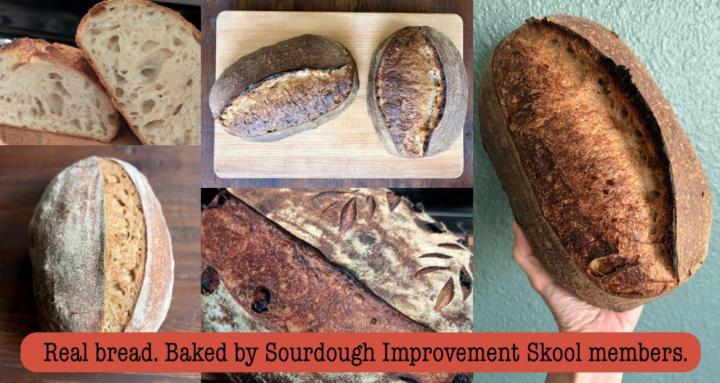
In the pursuit of the perfect sourdough, we look for alvéolage, which literally translates to "honeycombing" or "pitting" and is pronounced al-vay-oh-lahzh.
This term describes the internal structure of the bread—the beautiful, irregular network of holes within the crumb that serves as a testament to a baker's mastery of hydration and long, cool fermentation. Historically, the French preference for a light, airy crumb evolved as flour milling techniques improved in the 19th century, moving away from the dense, dark maslin breads of the Middle Ages toward the sophisticated, gas-trapped structure of the modern baguette de tradition.
When you achieve a superior alvéolage, it signifies that your autolyse was sufficient to develop gluten strength and that your pointage was timed perfectly to capture the carbon dioxide produced by the wild yeast. To gaze upon a cross-section of bread and see these glistening, translucent cells is the ultimate reward, indicating a harmony between the strength of the flour and the delicate touch of the baker during the final shaping.
6
8 comments
Word of the Day is...ALVÉOLAGE
powered by
skool.com/sourdough-improvement-skool-4529
#1 Sourdough group on Skool Discovery! Join to become a certified Sourdough Practitioner in 3 Months with a clear roadmap to mastery and consistency.
Suggested communities
Powered by