
Write something

16d •
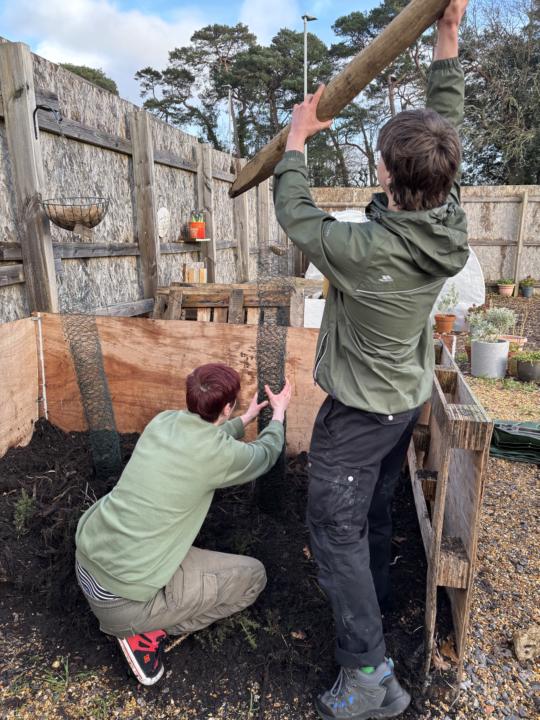
Compost turning today at the garden
The rule is simple: good compost needs air. Without it, things go sludgy and sour. So today, we built vents the low-tech way. We were putting a century-old idea into practice: the Indore method. Developed by Sir Albert Howard in India in the 1920s, its genius is in managing air and moisture to help microbes thrive. As we forked the pile, we pushed in tall stakes wrapped with chicken wire. When we finished, we pulled the stakes out, leaving perfect chimneys of wire behind to let the heat and gases rise, and oxygen to enter. This is the difference between a rotting heap and a hot, fast transformation. You can engineer the conditions for it to become the best soil amendment there is. All while managing waste. Has anyone else tried this? Or do you have a different trick for aerating your compost? Share your methods below!
0
0
Jan 5 •
Let's Get Started! Introduce Yourself and Your Garden Space 🌱
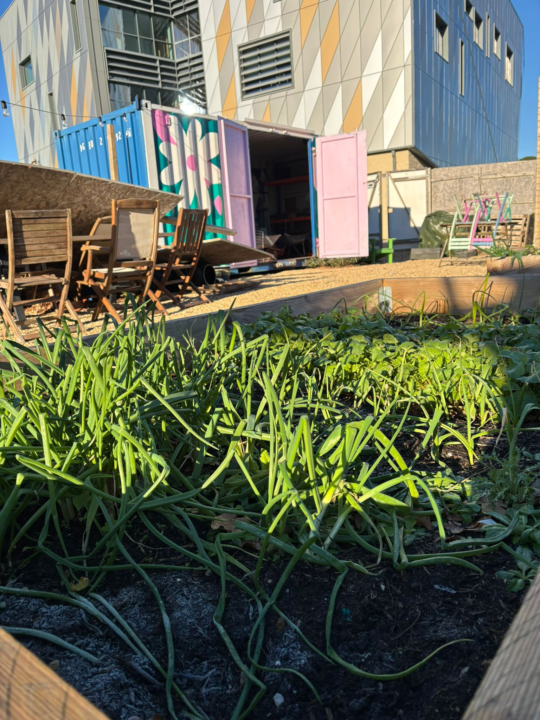
Hello everyone, and welcome to Soil First Gardening! I'm Toby, your guide in this community. As an ecology student and hands-on gardener, I started this space to move beyond theory and focus on the practical, sustainable skills that actually help our gardens (and our soil) thrive. Whether you're growing on a balcony, in a backyard, or on a windowsill. You are in the right place. To break the ice, I’d love for you to introduce yourself below and share a photo of your current gardening space, whether it's an established garden, hopeful patch of dirt, or even just a sunny windowsill! Let's see where we're all starting from and grow from there together. I'll start: I'm currently managing my university's community garden, where I'm building new compost systems and planning the spring beds. Here's a picture of our garden shed and some of the winter seedling trays I have going! Now it's your turn! Say hello and share a pic below 👇

25d •
Hey Toby Cox, Soil First Gardening 🚀
Hi Toby Cox! I just explored Soil First Gardening, love the community you’re building. I have been helping community owners launch High-Engagement Skool communities since last 2 years on skool, and I’ve got a FREE "Full community setup" no-strings attached, just for you. (normally $100). 👉 See the 2‑min rundown & book a slot: Community Launch You’ll get: polished and structured copywriter About Page, AI‑designed icon & cover image, and a launch‑ready community in just 30 min. No pressure, just a smoother launch and tidy backend. (Heads‑up: Some people enjoy the struggle of building a skool community infrastructure from scratch and wouldn't want professional help, so I myself will delete this post in 4 days, and quietly exit if you’re busy (I don't wanna spam or disturb your community, I respect the vibe 🙏). Want to chat later? Just DM “Let’s Build” and I will stay here longer to help later.) Looking forward to helping Soil First Gardening Grow & shine!⭐ (Explore More) Community Launch

28d •
Getting back on track
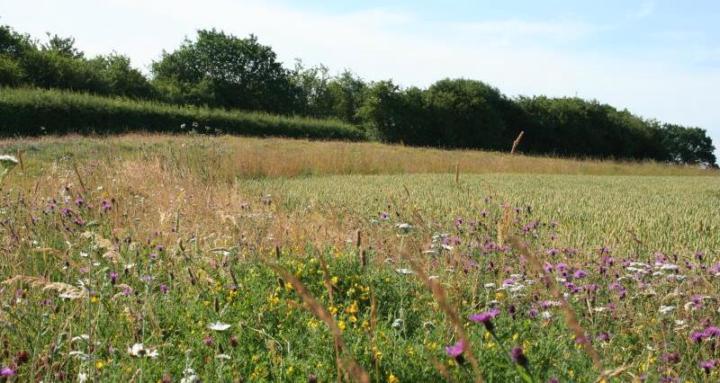
Hey everyone, Last week was exam week at Uni, so i took a break from posting, now that's all done and dusted I am going to get back to sharing insights, tips and tricks, and trying to build this community! So.. What is your favourite moment from a garden? Think about a summer you spent in nature or any time you sat outside, a beer garden, café, your own outdoor space? Picture it and please tell me about it! I want to know what my members remember! Mine - easy, I spent last summer in the blazing heat on a smallholding, there were thousands of wildflowers and billions of buzzing insects, you could hear the meadow from anywhere it was quite something. I can remember clearly, sitting down for lunch and opening my flask of chamomile tea, it was serene, and beautiful.
1
0
Jan 18 •
A Simple Soil Structure Test
It's called a slake test. All you need is a dry lump of your garden soil and a plant saucer. Here's how: 1. Go to your garden and find a dry, naturally formed lump of soil, about the size of a golf ball. Don't mould it in your hand. 2. Place it gently in a dry plant saucer. 3. Slowly pour a small amount of water into the saucer until there's just 3-5mm of water around the clod. Don't pour over the top. 4. Watch. Wait 2-5 minutes. What to look for: - Does the clod hold its shape in the water? Your soil has signs of good organic matter and structure. - Does it slowly crumble and fall apart from the edges? That's moderate structure, maybe it could do with some help. - Does it rapidly melt into mud? The structure is weak, it might be that it needs more organic life. Try it and report back! "Held," "Crumbled," or "Melted."
0
0
1-10 of 10
powered by

skool.com/soil-first-gardening-4539
This is where gardening meets ecosystem science. A community dedicated to the radical truth that soil is life.
Suggested communities
Powered by