
Write something

Apr 20 •
Vata Imbalance, Travel, and Finding Inner Ground
I have been away from Moksha Embodied for a few weeks; I have been travelling. I flew from Colombia to Australia. Little did I realise how much my system had taken on until I stopped moving. After a 33-hour flight, staying in multiple homes, different beds, different dynamics and shifting routines, I needed to focus a lot to stay centred. I became tired and emotionally full. Not because anything was “wrong,” but because there had been so much constant movement without steady, consistent ground. In Ayurveda, this is Vata aggravation. Vata governs communications, movement, our nervous system, thoughts, and change. When it’s balanced, we feel creative and adaptable. When Vata is in excess, it can feel like: - overwhelm - overthinking - irregular sleep patterns -heightened sensitivity Travel + irregular rhythm = increased Vata. Vata balance is simple: When there’s no rhythm, the body will look for stability wherever it can. And not every situation, place or person can provide that. A steady ground, a place to land, needs inner steadiness from consistency. The way to stabilise vata imbalance comes back to the basics. Rest, routine, nourishment. Whether during travel, life change, or in times of mental focus, vata balancing practices offer deep inner nourishment and a steady centre. The medicine for Vata is rhythm: -simplify -consistent routines, e.g. meal times, bed times -warm, regular meals -slow down and rest -make space and time for regular reflection and meditation -daily asana/movement and breath practices It doesn’t need to be a strict discipline... Just consistent. Additional Vata support would be: -Daily self-massage with warm sesame oil- Abhyaga -Have a warm ginger tea -Breakfast, lunch, dinner at the same time each day -Go to bed before 10 pm and wake before 6 am -Start the day with Meditation -No screens after 7 pm -Take care of your prana - Stay hydrated with regular herbal teas -Mindful not to talk excessively With all the planets in Aries at the moment, and the impact they may be having for people on a personal level, I'm interested to hear if anyone has experienced a rise in vata or pitta aggravation?

Feb 17 •
Power of Daily Sadhana
Some deeper reading this week took me on a reflective journey of Sadhana. Here are some highlights... Truth Is Not Negotiable One of the most dangerous assumptions of modern consciousness is that truth is negotiable, that it bends to preference, ideology, or personal narrative. But truth does not depend on your opinion. Gravity does not care how you feel about it. The old teachings say truth doesn’t bend around our thinking. It stands there, steady, whether we turn toward it or not. Moral cause and consequence operate whether or not you are conscious of them. The ancient insight embedded in Sadhana is this: You do not construct truth. You align yourself with it. And alignment requires discipline. When you practice daily, when you sit, breathe, and observe, you may see how out of alignment your perception has been. Not because you are wicked, but because you are partial. We see selectively. We defend what benefits ourselves, and rationalise what threatens our identity. This is the first confrontation and one we can over look. The ego does not merely want to survive. It wants recognition. Prestige. Moral superiority. Validation. It will disguise itself as virtue if necessary. When it does not receive recognition, it retaliates. It criticises others. It announces its own importance. It justifies itself while condemning, and here is the uncomfortable truth: this pattern does not disappear simply because you meditate. Be wary. not to measure yourself by how consistent your practice is. The ego thrives on comparison. You meditate for thirty days, and suddenly you’re “the disciplined one.” You fast and you’re “the pure one.” You speak softly, and you’re “the evolved one.” The ego doesn’t disappear in ceremony. It just changes clothes. The mind, that clever trickster, builds stories to keep itself in charge. It can turn anything into status, even humility. In fact, spiritual practice can refine the ego. We can become proud of our humility, superior because of our discipline, righteous in our detachment, and this is the crisis of consciousness if not addressed.
Mar 3 •
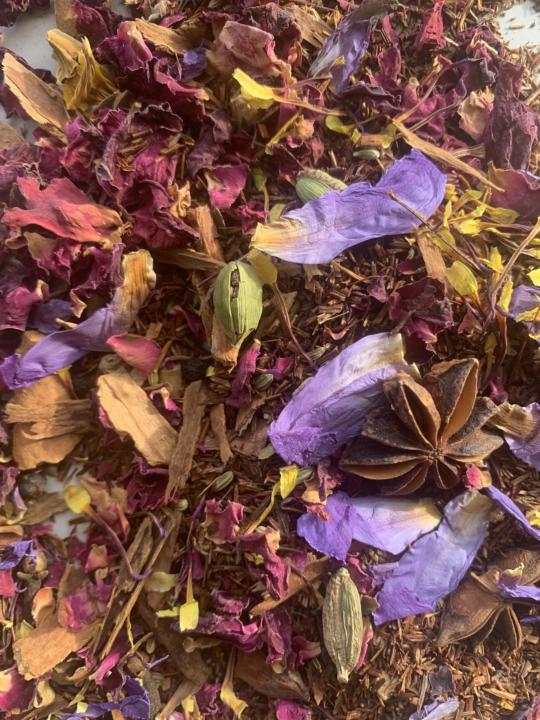
Ayurvedic Sattva tea recipe ... Enjoy 🪷
Looking for a new tea recipe, this tea is delicious. Feel free to share your fav below. Happy Full moon all! Tea for 6 People 1.5 L Pot Rooibos 2 heaped tablespoons Cinnamon chips 1 teaspoon Rose petals 2 tablespoons Star anise 2 whole stars Cardamom pods 6 pods lightly crushed Fennel seeds 2 teaspoons Ginger 1 tablespoon chopped or grated Lotus small teaspoon Black pepper 8 whole peppercorns Cloves 3 whole cloves Sattva refers to creativity, joy, and a pure state of body, mind and spirit. Infused with the timeless knowledge of Ayurveda, this delicious non-caffeinated tea is bursting with aromatic, warming spices intended to evoke moments of inward reflection and inspiration. May support: -Source of beneficial antioxidants -Supports cardiovascular health -Aids in regulating blood sugar levels -Beneficial for bone health
1
0
Mar 2 •
This weeks focus- Pratyahara
Hi Everyone 😊 This week we move through a Virgo Full Moon accompanied by a lunar eclipse happening on 3rd March. In yoga philosophy, the Moon is connected with the mind (manas). Periods like this can sometimes amplify mental activity, emotions, or sensitivity. This may feel a little uncomfortable at times, but it also offers an opportunity to deepen our personal practice and awareness. When the mind becomes restless, the practice is not to control it but to observe it with steadiness. One of the eight limbs of yoga that supports this is Pratyahara, the gentle withdrawal of attention inward. Practice for the week Spend at least 10 minutes each day sitting and observing the breath. Notice the movement of the mind, and draw attention inward, steady and calm, observing the breath. Allow the senses to soften inward. Observe the movements of the mind without following them. Reflection 🌕 What have you noticed about the movements of your mind or emotions this week? 🌕 Did anything help you return to steadiness? Share an observation from your experience
2
0

Feb 10 •
This weeks challenge: Practice log
Hey everyone, This Skool is starting to fill out behind the scenes. I’m looking forward to opening all and launching on the 28th Feb. How are you this week? This week, Wednesday to Wednesday we have a daily emoji check in. Sunday being rest day, each other day of the next 7 are practice days. Asana, pranayama, meditation, japa. Each day just drop an emoji in the chat. Options : Practice yoga 🙏 Practice mediation 🪷 Practice japa mala 📿 Or 🙏🪷📿 for all Drop a 🙏 if you did your practice today @Mayan Satya@Brandy Clements @J K @Rebecca Margaret @Amanda Kalynuk Pasquet @Ric Kneen @Jason Plunkett @Tracy Mccosh @Tracy Lee Strassburg @Thersa Huntley@Sharyn Kneen
1-15 of 15
powered by

skool.com/sevendirections-6208
Learn timeless Ayurveda and Yoga practices to nourish your body, steady the mind, and live with more vitality and ease.
Suggested communities
Powered by