

14d •
Chemical Peeling
While my students are starting their case studies with a consultation ... I thought to jump on here with a question to kick off the weekend ... Why does glycolic acid work so well in chemical peels? In short ... Glycolic acid has the smallest molecular size of all alpha hydroxy acids.That tiny size allows it to penetrate deeper and faster into the skin compared to lactic or mandelic acid. ✔️ Accelerates cell turnover ✔️ Improves texture & dullness ✔️ Targets congestion and early ageing But deeper penetration also means greater responsibility—pH, concentration, skin condition and barrier health determine whether glycolic heals or harms. ✨ It’s not “strong” — it’s strategic when used correctly. Learn more about this in our class!
1
0
Dec '25 •
To peel or not to peel?
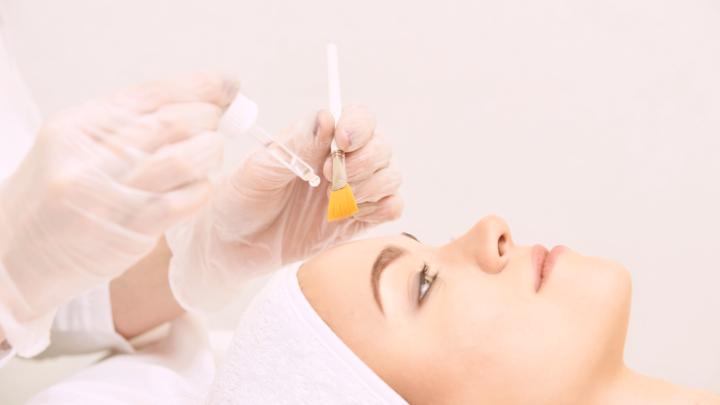
Chemical peels can deliver beautiful results…but too much exfoliation can push the skin past its limits. Over-peeled skin isn’t “glowy.”It’s inflamed, stripped, and struggling to protect itself. Here’s how to recognise it — and what to do next. https://www.salonsetup.co.nz/chemical-peel-training/
2
0
Dec '25 •
Chemical Peeling Course
Chemical peels offer a controlled way to brighten, smooth, and clarify the skin — but only when the barrier is respected. Our peels are formulated and applied with a barrier-first philosophy, ensuring we gently accelerate cell renewal while keeping the skin’s natural defenses strong. This approach delivers real, lasting results in pigmentation, congestion, fine lines, and texture — without compromising the integrity of your skin.
2
0
1-3 of 3
powered by
skool.com/salon-setup-2427
Elevating professionals through education – safeguarding and shaping the future of our industry.
Suggested communities
Powered by