Write something
Pinned
Dec '25 •
Who I am and what I do
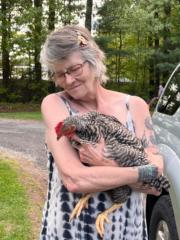
I grew up on a 1000+ acre farm with crops and animals. As the eldest child I was in charge of learning all issues including medical of our farm animals by my Dad. These experiences allowed me as an adult to love the research and care of animals. In my younger adult life i worked with goats, milk cows, training and exercising horses. I received a Degree in Education and with retiring decided to go with smaller animals (less injuries) and since 2008 focus on backyard flocks of Chickens, ducks, turkeys and geese. With the help of a farm based veterinarians and deep research back to the 1600’s. I am not a licensed veterinarian. I do help with raising flocks in basic care, housing requirements, daily nutrition, minor medical issues. If I can not help by research for someone, I always recommend a veterinarian who has more knowledge and experience than me. No questions are stupid especially when you are first learning as I want people to grow and do what is best for their backyard flocks.
0
0
Dec '25 •
Things to do before getting any chickens
Part 1 You think it would be fun to have baby chicks or chickens someone is giving away. That’s great, but before you do that you need a safe place for them to live. Baby chicks require high heat that is gradually lowered as they grow and feather out. That requires some form of a brooder, a box, room, playpen, pack n play etc, where you can have heat set up in one area so if they get cold they can go to it. If too hot they can move away from it. It is very very important that whatever you choose to start them out in is very safe, no areas they can get trapped into, no electrical plug ins/outlets, exposed nails, tacks, staples, wire, strings or any other sharp or possibly dangerous materials that is near them or they can get to. Think infant babies when you set your brooder up. Like a baby they need to feel and be safe. Make sure whatever you have them in they can’t jump out of it also. Yes these wee little things can act like popcorn! To be safe, I always put netting over mine as if they get out, it’s easy for them to pass away from hunger, thirst, being too cold or get injured. I get netting from the fabric store that is used for wedding veils. It allows air to circulate and is easy to remove to change water and feed, plus see the chicks. Make sure the netting is no where near your heat source, especially if it’s a standard red heat lamp. They are hot enough to burn you and will catch any flammable items on fire. Its better to have the netting tented up above the heat lamp and checked often. If you use what I use, chick heaters that can lay on the floor or up again the wall areas secured you don’t have to have the netting up so high as these heaters are just warm enough to keep the chicks comfortable only. Using an outdoor thermometer to keep track of the temperature inside the brooder helps you keep on top of how hot or cold their area is so you can adjust it. Using a surge protector is also a very smart thing to plug your items in to that require electricity.
0
0
Dec '25 •
Teaching all aspects of raising and caring for backyard flocks
Would anyone be interested in me teaching classes where I help and guide you be good backyard flock parent/s? The written lectures would be on- The best way to start the flock process before you actually get them. This would discuss how to have a safe structure/coop. Or if building your own, things you need to know to protect the flock from excess heat, cold, predators. Each will be on specifics of the topic for that class. No jumping around from subject to subject. Other classes will be on- Building a Run and or Free ranging requirements. Getting chicks, best place to get them when you start out. Care, feed and other things related to chick What requirements and care there are for Pullets or as I call them teenager period. What requirements and care for grown flocks includes the males in your flock. this one will be detailed on each species so not to cause confusion. Safe foods besides feed, safe amounts daily or weekly. Poisonous foods, plants, trees and flowers. How to treat them if possible Hot weather vs cold weather Sickness and disease care Injury care Caring for ones who no longer lay eggs and are in their retirement years. Herbal treatments and recipes Scratch recipes for the different seasons. I will start all the above with Chickens first then turkeys then ducks and last geese. I recommend besides reading my information is to copy it to a personal file or even a journal as things can happen on the web and you could lose any information you want to have handy. I will do 2 written lectures a month on the 1st and 15th of each month. I may do extra if I come upon something unusual that I feel you need to know immediately. That way i have time to answer all questions written here to me. To make this reasonable each month membership is $5. Your membership means I am capable of caring for more Special Needs that I am given. 🐥🙂 Michele’
0
0
1-3 of 3