
Write something

Aug 15 •
What is the difference with zinzino balance oil and other omega 3
The biggest difference is that Zinzino BalanceOil+ is not marketed as "just another fish oil." It combines fish oil with polyphenol-rich extra virgin olive oil, vitamin D, and a test-based approach that aims to improve your omega-6:omega-3 balance over time. Whether those additional features justify the price depends on what you value. Here's a comparison: Typical Omega-3 SupplementZinzino BalanceOil+Usually contains fish oil onlyFish oil + extra virgin olive oil rich in polyphenols + vitamin D Often focuses on EPA/DHA doseFocuses on achieving a healthier omega-6:omega-3 balance as well as providing EPA/DHA Antioxidants may be limited to vitamin EUses polyphenols from early-harvest olive oil plus tocopherols to help protect the oil from oxidation Usually no follow-up testingDesigned to be used alongside the BalanceTest before and after supplementation Quality standards vary widelyStates its fish oil is sourced from small wild-caught fish, in natural triglyceride form, and tested for purity and freshness What makes Zinzino different? 1. Polyphenols from olive oil Zinzino's formula contains approximately 60% fish oil and 40% extra virgin olive oil from early-harvest olives. The company says the olive polyphenols help protect the delicate omega-3 fats from oxidation and support their stability. 2. Natural triglyceride form The EPA and DHA are supplied in their natural triglyceride form, which is a form also found in fish. Many good-quality omega-3 supplements do this, although some lower-cost products use ethyl ester forms instead. 3. Test-based approach One feature that is relatively unusual is the BalanceTest. Rather than recommending the same intake for everyone, Zinzino encourages measuring your fatty acid profile before starting and again after about 120 days to assess changes. 4. Vitamin D included BalanceOil+ also contains vitamin D3, so it provides omega-3 and vitamin D in one product. Are all omega-3 supplements inferior? No. There are many high-quality omega-3 supplements on the market. When comparing products, it's worth looking at:

Jun 22 •
Omega-3: An Essential Nutrient for Lifelong Health
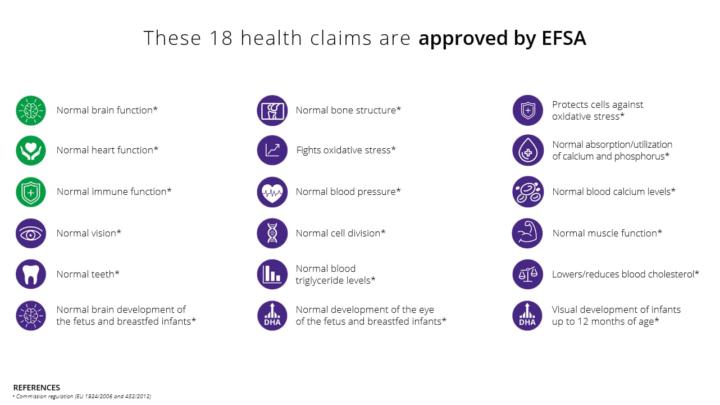
Omega-3 fatty acids are among the most important nutrients for overall health, yet they remain significantly underconsumed. Research indicates that approximately 97% of the global population fails to achieve optimal omega-3 levels. Modern dietary patterns often leave people deficient in these essential fats, despite their critical role in supporting cardiovascular health, brain function, joint mobility, immune balance, hormone regulation, and the body's inflammatory response. For women in particular, omega-3 requirements are especially important throughout life. From menstrual cycles and fertility to pregnancy, postpartum recovery, perimenopause, and menopause, the female body undergoes significant physiological changes that create unique nutritional demands. Consistent intake of omega-3 fatty acids can help support health and wellbeing during each of these stages. Understanding Omega-3 There are three main types of omega-3 fatty acids: - ALA (Alpha-Linolenic Acid): Found in plant foods such as walnuts, flaxseeds, and chia seeds. - EPA (Eicosapentaenoic Acid): Primarily found in marine sources and known for its role in supporting cardiovascular health and balanced inflammatory responses. - DHA (Docosahexaenoic Acid): Essential for brain, eye, and nervous system health. Because the body cannot produce omega-3 fats efficiently, they must be obtained through diet or supplementation. Current recommendations suggest adults consume approximately 250 mg per day of combined EPA and DHA, with an additional 100–200 mg of DHA during pregnancy. Traditionally, these requirements can be met by consuming around two portions of oily fish per week, including salmon, sardines, or mackerel. However, this is not always practical. Dietary preferences, fish avoidance, concerns around sustainability, and the low conversion rate of plant-based ALA into EPA and DHA mean that many individuals struggle to achieve adequate levels through diet alone. The Role of Zinzino BalanceOil®
Nov '25 •
Omega-6 to Omega-3 Ratio: 7 Mistakes You're Making That Keep You Inflamed
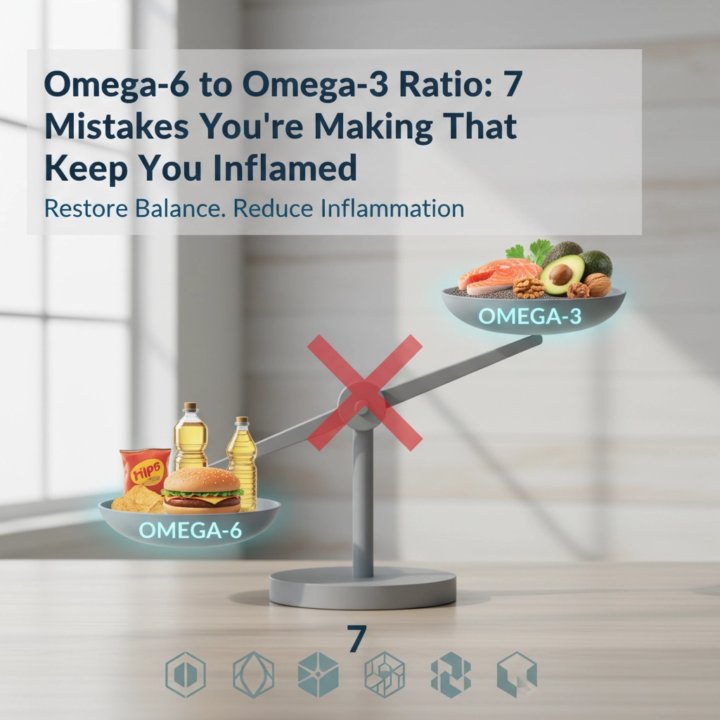
We are passionate about empowering you to take control of your health, and today we're diving deep into one of the most misunderstood aspects of nutrition: the omega-6 to omega-3 ratio. If you're struggling with chronic inflammation, joint pain, brain fog, or unexplained fatigue, the mistakes we're about to reveal could be the missing piece of your wellness puzzle. Here's the shocking truth: 97% of people have an imbalanced omega-6 to omega-3 ratio, and this imbalance is silently fuelling inflammation throughout your body. The typical Western diet contains an omega-6 to omega-3 ratio of approximately 15:1 to 16:7:1, when it should ideally be between 1:1 and 4:1. Are you making these seven critical mistakes that keep you inflamed? Let's find out. Mistake #1: Loading Up on Hidden Inflammatory Oils The biggest mistake we see is unknowingly consuming massive amounts of omega-6-rich vegetable oils that are hidden everywhere in our food supply. Soybean oil, corn oil, sunflower oil, and safflower oil have become ubiquitous in processed foods, restaurant meals, and even "healthy" products. These oils didn't exist in meaningful quantities in our ancestors' diets, yet they now make up a staggering portion of our daily caloric intake. Every time you eat packaged snacks, salad dressings, mayonnaise, or dining out, you're likely consuming these inflammatory oils without even realizing it. The transformation impact: Within just two weeks of eliminating these oils, many of our community members report reduced joint stiffness and clearer thinking. One member shared, "I thought my knee pain was just part of aging, but after cutting out processed foods with vegetable oils, I'm moving like I'm 20 years younger!" Mistake #2: Playing the Addition Game Instead of the Balance Game Would you like to know why simply adding omega-3 supplements isn't working for you? It's because you're playing the wrong game entirely. Most people focus exclusively on increasing their omega-3 intake while completely ignoring their omega-6 consumption. This approach is like trying to balance a scale by only adding weight to one side – it's ineffective and unsustainable.
Dec '25 •
5 ways to tell if your Omega-3 supplement is fresh or fishy
Health • 5 min By Zinzino Do you know what separates high-quality, pure Omega-3 supplements from traditionally processed fish oils? Dr. Emmalee Gisslevik is the Zinzino R&D specialist and go-to expert on fatty acids. The right nutritional supplementation will give you the results you’re looking for. Make sure your choice is based on informed decisions. Follow this essential quality checklist when navigating the sea of supplements with fish oil. What does fresh fish oil really mean? This seems to be one burning question when people enter the world of Omega supplements. The secret according to our Swedish doctor of philosophy in food and nutrition is spelled oxidation and polyphenols. Two deal-breakers that determine if you will experience real, long-term results. There’s also a joker in the hunt for freshness that could catch you off-guard: the TOTOX value. This nerdy measure of the total oxidation level of fish oil is the industry standard that determines freshness and quality in fish oil. Unfortunately, it is easily miscalculated and misinterpreted. And, finally, the still virtually unknown secret sauce in the world of fish oil and Omega-3 supplements – olive oil. It’s been almost ten years since Zinzino made this ground-breaking discovery and added the antioxidant-packed ingredient to their scientifically proven formulation. Before moving to the checklist that will help you weed out the right Omega-3 supplement, take a minute to read up on Omega-3’s and Omega-6’s and polyphenols, all naturally found in oily fish. Polyphenols are extremely powerful micronutrients, packed with antioxidant capacity that increase absorption and bind the Omega 3’s tenaciously, acting as chaperons until the fatty acids have arrived safely in the cell membranes. Unfortunately, they are lost in the refining process to rid the fish oil of contaminants, such as mercury and PCBs.
2
0

Dec '25 •
Why balanced omegas matter
Why balanced omega matters: The Omega-6 vs Omega-3 story Modern diets — especially in Western societies — tend to be high in Omega-6 fatty acids (common in many vegetable oils, processed foods, convenience meals) while being low in Omega-3s (often found in oily fish, seafood). themenopausenetwork.co.uk+2zinzino.com+2 This imbalance often leads to a skewed ratio — many people have Omega-6:Omega-3 ratios as high as 12:1, 15:1 or even more. themenopausenetwork.co.uk+2zinzino.com+2 But why is that a problem? Because our bodies rely on a healthy balance of these essential fatty acids to build and maintain cell membranes, regulate inflammation, support heart, brain, immune and general cellular health. Too much Omega-6 and too little Omega-3 can promote inflammatory processes, hinder optimal cell functions, and undermine long-term wellbeing. themenopausenetwork.co.uk+2zinzino.com+2 Therefore, it’s not just about getting enough Omega-3 — it’s about balancing Omega-6 and Omega-3 to support health at the cellular level. zinzino.com+2zinzino.com+2

1-12 of 12
powered by
skool.com/rr-tailored-nutrition-9885
Specialize in test-based, nutrition backed by two decades of science, designed to support healthy ageing, brain health, immune function and more.
Suggested communities
Powered by