
Write something
Pinned

Apr 18 •
🚐 Big news inside the classroom!
Y'all. I have been BUSY. If you've been waiting for the classroom to be fully loaded up...it's ready. Like, actually ready. Not "coming soon" ready. READY ready. Here's what's waiting for you right now: ✅ Start Here course — your orientation to the community and how to get the most out of it ✅ Level unlock resources — earning your way through the levels just got a whole lot more rewarding ✅ Premium content — your monthly drops have landed ✅ VIP — Adventure Simplified is live and waiting for you I put a lot of love into building this out, and I genuinely cannot wait to see you working through it. Head to the Classroom tab right now and dig in. If you've been sitting on the fence about upgrading to Premium or VIP, now is the time. The content is there. The community is here. And the road isn't going to wait forever. 😄 Drop a 🚐 below if you're excited — I want to know you saw this! Mary
Pinned
Apr 18 •
🚐 Do you actually know if you're ready for full-time RV life?
Most people think they are. Then they get on the road and realize there were a few things they hadn't really thought through. I built this free RV Readiness Score to give you an honest picture of where you actually stand, before you sell the house, buy the rig, or make any big moves. It takes about 1 minute. You'll get a score out of 100 PLUS a breakdown of exactly where you're strong and where you need to focus next. No sugarcoating. No "you're doing great!" when you're not. Just clarity. 👉 Take the free RV Readiness Score here: https://lifeintherv.com/rv-ready-score Drop your score in the comments. I want to know where you landed! 🙌

Pinned
Mar 27 •
Start Here (takes 10 seconds)
Hey, I'm Mary 👋 Full-time RVer for 9 years. I created this community to help you transition to RV living without the confusion, mistakes, and overwhelm we went through. If you're new, do this first: Comment ONE word so I know where you're at: - FULL TIME - SOON - SOMEDAY I reply to every comment and will help you with your next step. Let’s get you moving 👇

May 12 •
The RV Lifestyle and Your Relationship
Living in a small space with another person full-time is a different thing entirely from sharing a house. Here's the relationship conversation: THE SPACE REALITY You are together. All. The. Time. That's wonderful and it's also sometimes a lot. The couples who thrive figure out how to give each other space — even in 300 square feet. A walk with the dog, solo errands, separate headphones. Privacy matters. THE ROLE NEGOTIATION Who drives? Who sets up camp? Who manages the finances? On the road, every task needs an owner. Couples who haven't talked about this find out quickly why they should have. Have the who-does-what conversation before you hit the road. THE SHARED DECISION MAKING Every destination. Every campground. Every timeline. If one partner is always deciding and one is always going along, that creates a slow resentment. Build a decision-making framework that feels fair. Take turns. Trade priorities. THE UNEXPECTED GIFT The full-timers who make it work almost universally say the same thing: the road made their relationship stronger. Not without hard days. Not without conflict. But with depth and shared experience that sticks. THE HONEST CAVEAT The road will reveal the cracks in a relationship faster than a house will. If you go in with big unresolved issues, they come with you. The RV doesn't fix relationships. But a healthy one? The road makes it remarkable. 🚐💛 Where are you with the relationship and space question? 👇
Poll
2 members have voted

May 7 •
Excuse my absence
We’ve been in the North Carolina mountains the past 3 weeks and the internet is practically 0. As well as the cell service. So excuse my absence but I promise I’ll be back in a few days. Heading towards the interstate. 🤞

1-30 of 56
powered by
skool.com/road-to-full-time-rv-living-2030
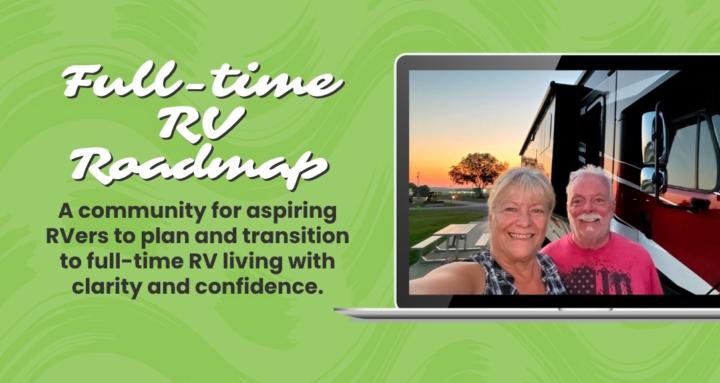
🚐 Planning full-time RV life? Join aspiring RVers getting clear guidance on RV choices, budgeting, downsizing, and travel planning.
Suggested communities
Powered by