
Pinned

Mar 30 •
Start here , How to use this community
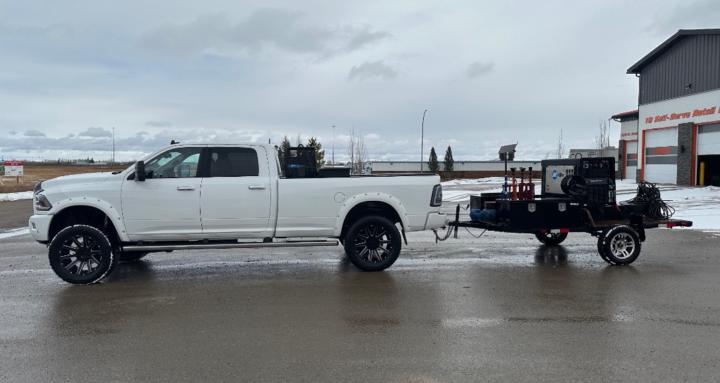
If you’re new here, start with these posts: 1. How to Set Up Your Rig 2. Pipe Welding Settings Breakdown 3. Tools Every Rig Welder Should Own I’ll be posting weekly breakdowns of real welds, rig setups, and techniques from the field. If you have questions about welding, rigs, or running a welding business, post them in the community
0
0


Apr 15 •
8 “ in the power roller
Heavy wall pipe is great for metal core , fills the bevel in no time . Let me know what you guys think
0
0

1-14 of 14
powered by
skool.com/rig-welders-business-7053
“Daily discussions on welding, oilfield business, gear, jobs, and real-world industry strategy. Share wins, ask questions, level up together.”
Suggested communities
Powered by