
Write something

Apr 8 •
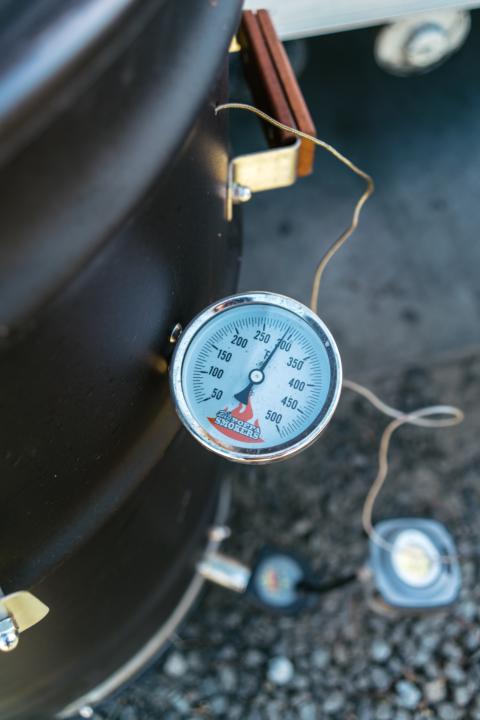
Test Your Drum Smoker Thermometer
Before you trust your drum smoker temp, make sure your thermometer is accurate. Bring water to a boil and place the probe in the water without touching the pot. It should read 212°F. You can also test it in ice water, where it should read 32°F. If your thermometer is off and has a calibration nut, adjust it until it reads correctly. If it can’t be adjusted, make note of how far off it is. Also remember: lid temp and grate temp are not always the same on a drum smoker. A quick test now can save you from a bad cook later.
4
0
Mar 23 •
Drum vs. Pellet: Why Some Pitmasters Stick with the Drum 🔥
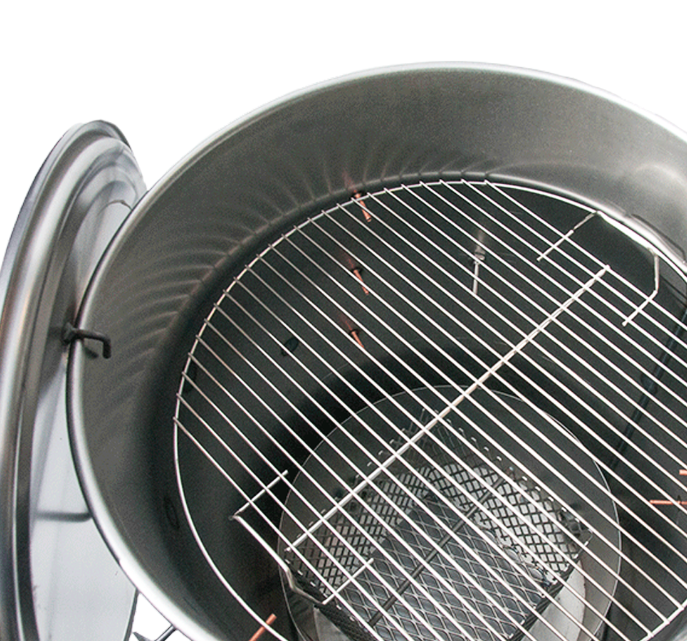
There’s something raw and real about cooking on a drum smoker. You get higher heat, direct flavor from fat hitting the coals, and that signature bark that turns heads at turn-in. Pellet grills are convenient—no doubt. But drums? They teach you fire control, airflow, and how to truly feel your cook. It’s hands-on BBQ at its best. At the end of the day, it comes down to what you value: set-it-and-forget-it… or dialing it in like a pitmaster. 👉 What’s your pick—Drum or Pellet?
Mar 21 •
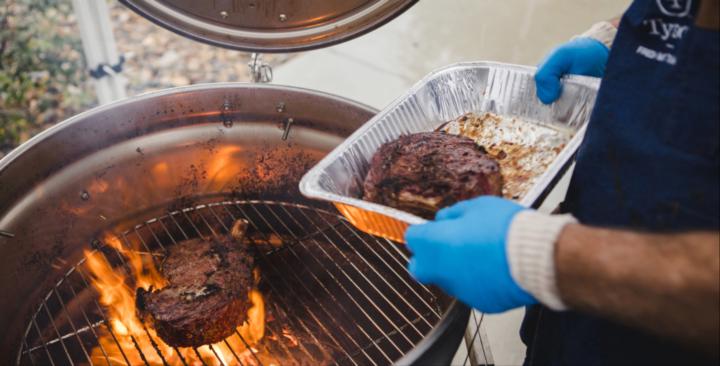
Hang Your Steak, Change Your Game
Hanging steak on a drum smoker is a simple move that delivers big results. Instead of cooking flat on the grate, you’re using vertical heat and airflow to your advantage. - Even cooking from all sides - Natural self-basting as fat renders - Cleaner flavor with fewer flare-ups - Run your drum around 275–300°F, hang a thick-cut steak (ribeye or strip works great), and cook to about 115–120°F internal. Then finish with a quick sear for that perfect crust. It’s a different approach—but once you try it, you’ll get why it works. 👉 Watch Big Poppa break it down on the drum and see it in action.
Feb 21 •
Why Cook on a Drum Smoker? Features, Benefits & What to Expect
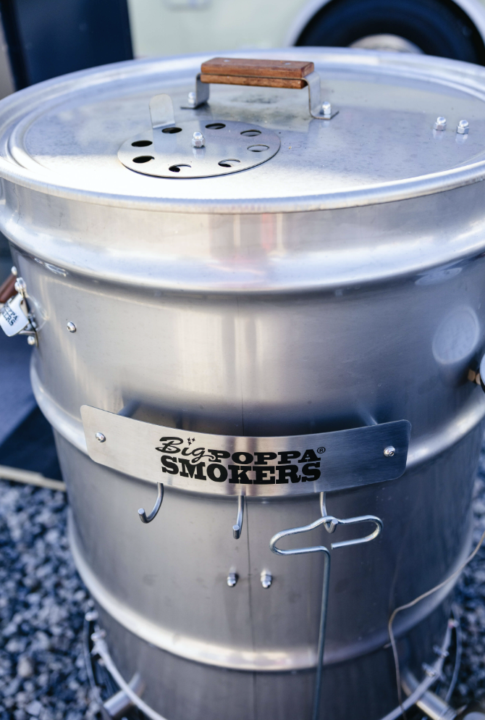
Drum smokers are simple, powerful, and built for serious flavor. They’re a favorite among competition teams and backyard cooks who like hands-on control. Why people love them: - Run hot and fast (275°–325°F) for great bark and crisp chicken skin - Extremely fuel efficient - Direct airflow control through adjustable vents - Drippings hit the coals, creating bold, signature drum flavor - Compact design with plenty of cooking space What to know before you cook: - Airflow takes practice — small adjustments matter - Direct heat means you must watch sugary rubs and lean meats - Weather can affect temperature and burn rate A drum smoker isn’t “set it and forget it.” It rewards cooks who understand fire and airflow — and when dialed in, it produces outstanding BBQ.
1
0
Jan 6 •
Before You Touch the Vents: Run This Pitmaster Checklist
If your pit temps are bouncing all over the place, we put together a quick pitmaster checklist you can run before you start blaming your smoker. The big rule (and the one that saves the most cooks): make one adjustment at a time, then wait 10–15 minutes to see what it actually did. Inside the full checklist, we will walk you through the fixes in order— - Starting with thermometer accuracy (lid gauges can be off 20–50°F) - Proper probe placement at grate level, airflow/vent tweaks - Checking for leak - Clearing ash - Fuel quality - Even the two sneaky culprits: lid-checking and weather/wind. Click through and save it—this is the one you’ll want pulled up the next time your cook starts getting weird:
1
0
1-9 of 9
powered by
skool.com/real-bbq-by-big-poppa-1682
Real BBQ. Real Results. Join Big Poppa Smokers’ community for pitmasters & backyard cooks. Talk rubs, smokers, recipes, grills & more.
Suggested communities
Powered by