
Write something
1d •
AUA just updated the BPH guidelines — here's what that means for you
Sharing this here because many of you are living this directly. The American Urological Association released new evidence-based guidelines this week for managing lower urinary tract symptoms related to BPH — Benign Prostatic Hyperplasia. The clinical gold standard for how urologists approach diagnosis and treatment. What the guidelines reflect: the treatment landscape has genuinely expanded. More minimally invasive options, clearer guidance on when to intervene versus monitor, greater emphasis on quality-of-life outcomes. What this means practically: if you saw a urologist for BPH symptoms a few years ago and felt like your options were limited, that may no longer be true. What it doesn't change: none of this helps a man who hasn't mentioned his symptoms yet. The clinical progress is real. The conversation gap is still the problem. Has anyone here recently had a BPH conversation with their doctor that went better than expected? I'd love to share what's working with the wider community.
0
0
1d •
There are options, I hope you were told about them.
Bringing this to the community, because I know this affects people here directly. A new study this week confirmed something I've written about in Prostate Mania — something that still doesn't get nearly enough attention. Erectile dysfunction after radical prostatectomy is extremely common. Most men know this going in. What they don't know — what most surgical teams never mention — is that structured penile rehabilitation programs exist, and men who enter them recover at three times the rate of those who simply wait. Three times. That's not a small difference. That's a life difference. The failure here isn't medical. The treatments are real. The evidence is there. The failure is informational — the conversation just doesn't happen before surgery when it needs to. If anyone in the community is navigating prostate cancer treatment decisions, this is the question worth asking your surgeon: "What is your protocol for penile rehabilitation after this procedure?" Has anyone here navigated this conversation? What were you told — and what weren't you told?
0
0
1d •
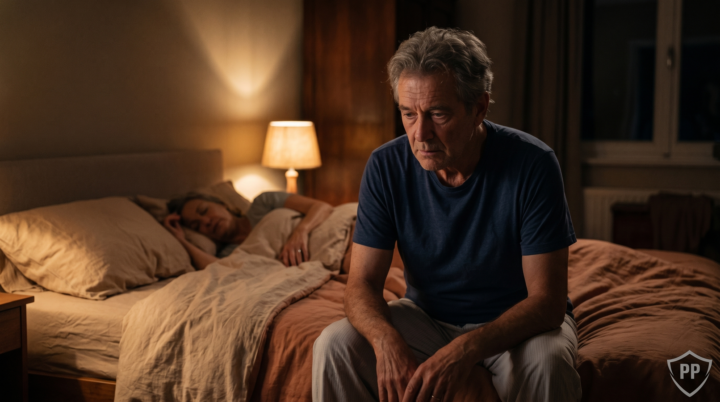
The 3 AM Club - BPH Anonymous
Sharing this here because it's directly relevant to so many of you. The Pattaya Mail ran a piece this week — the local paper here in Pattaya — and one line in it hasn't left me since: "Most men over 60 are already members, and most of them haven't told anyone." I have told all my friends to be more open about the prostate and many of them are indeed speaking about it, but it is just a drop in a worldwide ocean. More talk is needed, more awareness. They were talking about BPH. The nighttime bathroom runs. The weak stream. The urgency. The slow erosion of quality of life that gets filed under "just getting older" and never gets spoken aloud. It was the scale of the silence that hit me. One of the most common conditions affecting older men, and the vast majority are managing it quietly, alone, because nobody ever gave them the vocabulary or the permission to say something. The AUA just released new BPH management guidelines this week. More options than ever. But options don't help a man who's still in the "I'll just deal with it" phase. Has anyone in the community talked to their family or friends about BPH recently? What finally made you bring it up?
0
0
2d •
A vascular centre in Memphis is now offering minimally invasive BPH treatment. What options were you told about when you were diagnosed?
Bringing this to the community because I think it speaks to something a lot of people here have experienced. A local news report from Memphis covered a minimally invasive BPH treatment now being offered at a vascular centre there — likely prostate artery embolisation (PAE), an interventional radiology procedure that treats an enlarged prostate without traditional surgery. The reason I find this worth sharing: most men with BPH aren't told about this option. They're told about alpha blockers, 5-alpha reductase inhibitors, and eventually a TURP or similar surgical procedure. What tends to fall out of the conversation is the growing landscape of minimally invasive options — often available at centres that aren't even urology practices. The access gap is real. But so is the information gap. For those in this community who've navigated BPH treatment decisions: what options were you told about? And — importantly — what weren't you told about until you went looking yourself? I'm curious whether people found the care pathway informative, or whether they had to push to get the full picture.
0
0
2d •
The ASX trial — exercise vs. usual care for men on active surveillance. Are the men in this community being given a programme, or just general advice?
Sharing this one here because I think it will matter to a number of people in this community directly. Results from the Active Surveillance Exercise (ASX) randomised controlled trial have confirmed what many have suspected: men with prostate cancer assigned to structured exercise had meaningfully better inflammation and insulin profiles compared to those on usual care. These aren't minor quality-of-life markers — inflammation and insulin sensitivity are directly implicated in how prostate cancer behaves over time. The phrase "active surveillance" frustrates a lot of men. It sounds passive. It sounds like being told to wait and hope. What this trial underlines is that the word "active" was always supposed to mean something. I want to be honest here: "just exercise" is advice that many men receive and don't know what to do with. The men in this trial had a programme. A specific, supervised structure. That distinction matters. For those on active surveillance, or supporting someone who is: the question I'd want brought to the next oncology or urology appointment isn't "should I exercise?" It's "what specific programme is appropriate for my situation — and is there support to do it properly?" Has anyone in this community had a formal exercise programme recommended as part of their active surveillance protocol? Or has it been more general advice? I'm curious whether people are getting the structured version or just being told "stay active." On a personal note - my father was a farmer, active all of his life, until arthritis made it more difficult to be active. Nobody mentioned that he had a prostate problem, so I cannot be sure he did not, but he lived until 93 and I think that speaks for itself.
0
0

1-14 of 14
powered by
skool.com/prostate-paladin-4886
Prostate awareness for men and women. The prostate does not belong in the shadows with no understanding. Awareness is the key.
Suggested communities
Powered by