
Write something
Pinned

Mar 6 •
Intro to Progressive Sistas MAGIC
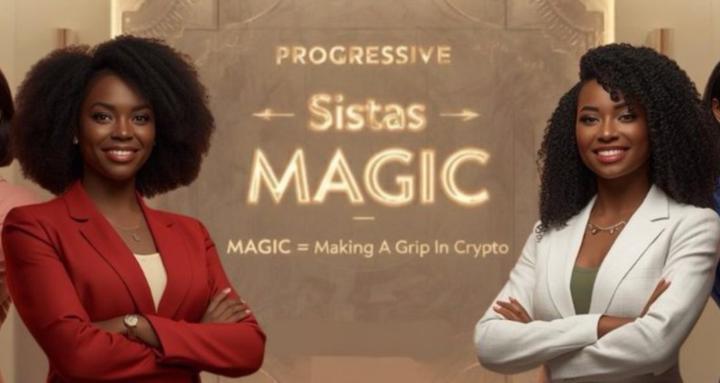
For too long, Black women have been underrepresented in the future of finance. That changes now. Progressive Sistas MAGIC is a Black women-owned education platform built to help sistas understand financial literacy, crypto, digital assets, and Web3 clearly, practically, and for free. From sistas, for sistas. https://x.com/ProSistasMAGIC https://progressivesistasmagic.org/ https://www.youtube.com/@ProgressiveSistasMAGIC
1
0
1d •
Learn the risks before you put your money on the line.
Imagine waking up tomorrow and finding out you can't access your crypto. Your exchange is down. Your wallet has been compromised. Or you clicked a link that looked completely legitimate. For someone new to crypto, these risks can be easy to overlook. But one wrong move can cost you real money. Before buying your first token, understand these basics: 1. Never share your seed phrase. No legitimate support team needs it. 2. Double check every link. Fake websites can look almost identical to the real ones. 3. Verify wallet addresses. One wrong character can send your funds somewhere you can't recover them. 4. Be careful with wallet approvals. Don't blindly approve transactions you don't understand. 5. Understand exchange risks. Keeping crypto on an exchange means trusting a third party with custody. Here's something every beginner should remember: In crypto, you don't just need to know how to make money. You need to know how not to lose it.
1
0

3d •
A math sequence you probably learned in school somehow ended up on trading charts.
Most people treat Fibonacci like a magic number. It isn’t. It’s just 1, 1, 2, 3, 5, 8 from school, turned into 38.2%, 50%, and 61.8%.Those lines are spots where price might pause. Not where it has to bounce. Did you learn 61.8% as a sure thing?
1
0
3d •
The biggest barrier to crypto adoption might not be volatility
It might be the knowledge gap. People hear about Bitcoin, blockchain, wallets, private keys, stablecoins, and decentralized finance but rarely get a clear explanation of how these pieces fit together. Without that foundation, even basic decisions become intimidating. What happens if you send crypto to the wrong address? Why does holding your own private keys matter? How do you distinguish a legitimate project from a sophisticated scam? These aren't advanced questions. They're essential financial literacy questions for a digital economy. The goal shouldn't be to convince everyone to buy crypto. It should be to make sure people understand what they're looking at before they make a decision. That is where meaningful financial empowerment begins.
1
0

Feb 17 •
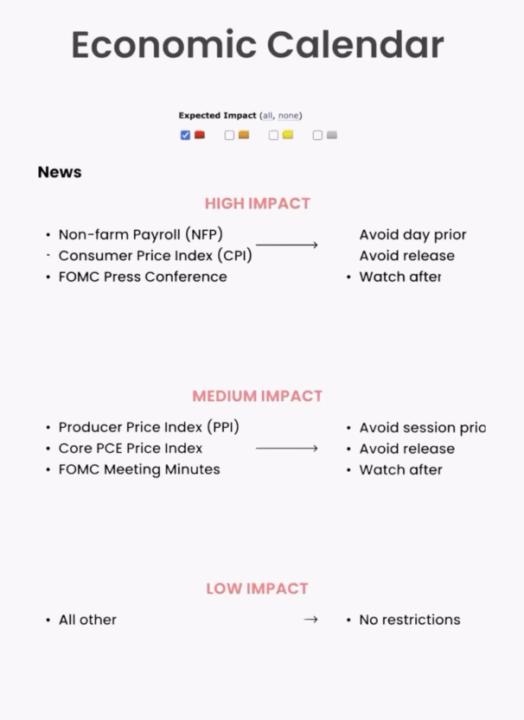
ECONOMIC CALENDAR
Every trader should be aware of the Economic Calendar. Especially high impact news.
1-9 of 9
powered by
skool.com/progressive-sistas-magic-4455
We are dedicated to educating, empowering and emboldening sistas to step into the world of digital currency investing and trading. Come with us.
Suggested communities
Powered by