
Write something
Pinned

19h •
GLP-1 PLATEAUS: WHEN THE SCALE DECIDES TO TAKE A VACATION!
You’ve been doing everything right. You’re taking your GLP-1, eating better, losing weight, and then BAM! The scale stops moving. Two weeks go by. Then three. Now you’re wondering if your medication stopped working. Before you start increasing doses, stacking compounds, or throwing your scale out the window, let’s talk SCIENCE! WHY DO GLP-1 PLATEAUS HAPPEN? Your body is incredibly good at adapting. Unfortunately, that includes adapting to weight loss. 1. Your Metabolism Has Adjusted As you lose weight, your body requires fewer calories to function. A calorie deficit that worked 30 pounds ago may now be your maintenance level. 2. You’re Losing Muscle Along With Fat Without adequate protein and resistance training, some of your weight loss may come from muscle. Less muscle can mean lower energy expenditure. 3. Your Calorie Intake Has Changed Those little bites, snacks, fancy coffees, and extra portions add up. Even healthy foods have calories. 4. You’re Not Eating Enough to Support Your Activity GLP-1 medications can suppress appetite so effectively that some people struggle to meet basic nutritional needs. Chronic under-fueling can contribute to fatigue, muscle loss, and reduced activity. And no, starvation mode doesn’t magically stop fat loss. But inadequate nutrition can make sustainable weight loss much harder. 5. Water Retention Is Hiding Fat Loss Stress, poor sleep, sodium, hormonal fluctuations, constipation, and increased exercise can temporarily mask fat loss on the scale. 6. Your Body Is Defending Its New Weight Weight loss triggers biological adaptations, including changes in hunger hormones, energy expenditure, and appetite regulation. Your body isn’t necessarily fighting YOU. It’s responding to changes in energy balance. HOW DO YOU BREAK THROUGH A PLATEAU? 1. FIRST, MAKE SURE IT’S ACTUALLY A PLATEAU! A week or two without movement isn’t necessarily a true plateau. Look for a sustained stall of approximately 4–6 weeks while monitoring your weight trend, waist measurements, and consistency.
1
0

Pinned
Oct 14 •
FLASH SALE! 10% OFF Hormonal, Anabolic and Performance-Related Compounds — Product Reference Guide
‼️FLASH SALE‼️ 10% OFF FOR ONE DAY ONLY‼️ MESSAGE ME FOR DETAILS

Jun 10 •
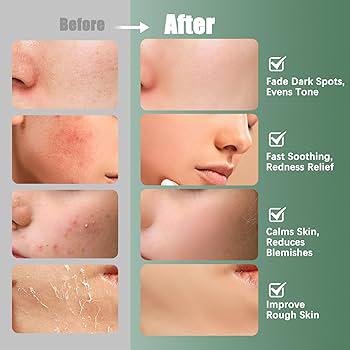
COMING SOON TO MY STORE: MADECASSOSIDE
Skin Repair • Barrier Support • Soothing Recovery Madecassoside is a highly purified bioactive compound derived from Centella asiatica (commonly known as Cica or Tiger Grass). Widely recognized in advanced skincare formulations, it is valued for its ability to calm irritated skin, support collagen production, promote skin repair, and strengthen the skin barrier. Research suggests that madecassoside possesses powerful anti-inflammatory and antioxidant properties, making it an excellent ingredient for sensitive, damaged, aging, or stressed skin. Key Benefits: Supports Skin Barrier Function - Helps strengthen and maintain the skin's natural protective barrier. - Assists in reducing moisture loss and improving overall skin resilience. - Beneficial for dry, sensitive, and compromised skin. Calms Redness and Irritation - Known for its soothing properties that help reduce visible redness and discomfort. - Commonly used in products designed for sensitive or reactive skin. Promotes Collagen Production - Supports healthy collagen synthesis, helping maintain skin firmness and elasticity. - May help improve the appearance of fine lines and wrinkles over time. Enhances Skin Recovery - Encourages healthy skin renewal and repair processes. - Frequently included in post-procedure and recovery-focused skincare formulations. Provides Antioxidant Protection - Helps neutralize free radicals that contribute to premature skin aging. - Supports healthier-looking, more youthful skin. Supports Hydration - Helps improve skin moisture retention and overall skin comfort. - Leaves skin appearing smoother, softer, and more supple. Ideal For: - Sensitive skin - Dry or dehydrated skin - Redness-prone skin - Aging or mature skin - Post-procedure recovery - Environmental stress and skin barrier damage Why We Love It: Madecassoside is one of the most studied active compounds found in Centella asiatica. Its unique combination of soothing, barrier-supportive, antioxidant, and collagen-promoting properties makes it a versatile ingredient for anyone seeking healthier, stronger, and more resilient skin.
Apr 6 •
The Science Behind Why GLP-1 Pills Do Not Work
Who has seen the commercials for the new GLP-1 pills? Every time I see these commercials.....my eyes roll....straight out of my head! 👀 Here is the SCIENTIFIC REASONING behind why GLP-1 pills are one of the biggest GIMMICKS right now: GLP-1 “pills” sound convenient—but the reason most don’t work well (or at all) comes down to basic biochemistry and human physiology. Here’s the science broken down clearly: 1. GLP-1 is a fragile peptide (not a typical drug) GLP-1 drugs (like semaglutide, tirzepatide, or liraglutide) are peptides, meaning they’re made of amino acid chains—basically like tiny proteins. Problem:Your digestive system is designed to break proteins apart. - Stomach acid (pH ~1–2) denatures peptides - Enzymes like pepsin, trypsin, and proteases chop them up Result:Before a GLP-1 peptide can reach your bloodstream, it gets destroyed in your gut 2. Poor absorption through the intestinal wall Even if some peptide survives digestion: - Peptides are large and water-soluble - The intestinal lining prefers small, fat-soluble molecules This creates a major barrier: - GLP-1 molecules can’t easily pass into the bloodstream Result:Very little (if any) active drug gets absorbed 3. Rapid breakdown by enzymes (DPP-4) Your stomach DESTROYS peptides GLP-1 drugs like semaglutide, tirzepatide and liraglutide are peptides (chains of amino acids). Your digestive system is literally designed to break these down. - Stomach acid = extremely harsh (pH 1–2) - Enzymes = protein-cutting machines Even if GLP-1 makes it into circulation: - It’s rapidly broken down by an enzyme called Dipeptidyl peptidase-4 (DPP-4) Natural GLP-1 has a half-life of:~1–2 minutes Result:It disappears almost immediately unless chemically modified 4. Why injections work (and pills struggle) Injectable GLP-1 drugs are engineered to bypass all of this: - Avoid the digestive tract entirely - Modified to resist DPP-4 breakdown - Designed to resist breakdown - Stay active for days instead of minutes - Designed for slow release (long half-life)


Nov '25 •
Lemon bottle
Has anyone done the lemon bottle? I have a stubborn abdominal fat problem due to 2 csections. Would love to decrease this “pouch” to make myself feel better about my body. If anyone has done please let me know how you did it.
1-30 of 402

skool.com/peptidejunkies24
Advance your peptide research with precise, science-driven guidance, expert community talk, and access to vetted suppliers, promotions, and giveaways.
Leaderboard (30-day)
1

+6
2

+4
3

+3
4

+3
5

+3
Powered by