
Write something
Jan 14 •
Bystander Effect Breakdown
Scenario: You arrive at a scene where 5–6 people are standing around, but no one is helping. Question: What’s one specific thing you could say or do to break the bystander effect and get help moving? ➡️ Think leadership, not medical skill.
Mar 16 •
“Slow Down”
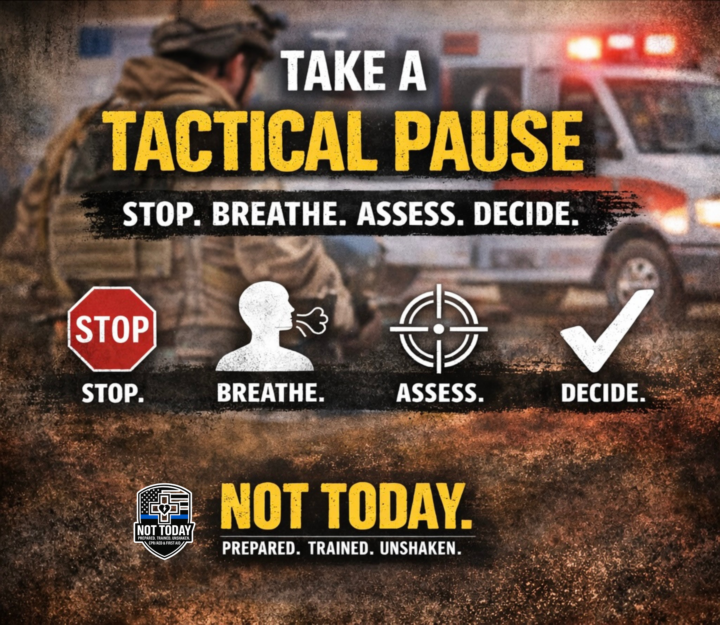
In a stressful situation—whether it’s a medical emergency, a crisis at home, or you’re overwhelmed at work—sometimes the best thing you can do is slow down. This goes along with the idea of “Just Breathe.” Slow is smooth. Smooth is fast. When you’ve trained and prepared for certain events, your response often becomes second nature. You may think, “I know what to do. I’ve prepared for this.” That confidence can help you rise to the occasion and make a real difference. But it can also cause you to miss things. When you’re caught up in the heat of the moment, it’s easy to develop tunnel vision. You might overlook important details—like ongoing dangers in the environment, severe bleeding while focusing on compressions, or other critical problems happening at the same time. On the other hand, if you haven’t trained or prepared, you might freeze in the moment, unsure of where to start. That’s why it’s important to slow down and take a Tactical Pause. A tactical pause allows you to gather information, make better decisions, and maintain awareness throughout the entire event. Find a problem. Fix it. Pause. Reassess. Repeat. Taking just a few seconds to stop, breathe, observe, and think can give you the information you need to act effectively. That brief pause often leads to better outcomes than rushing in without fully understanding what’s happening around you. Sometimes the difference between chaos and control is just a moment to pause.
0
0
Feb 10 •
Just Breathe
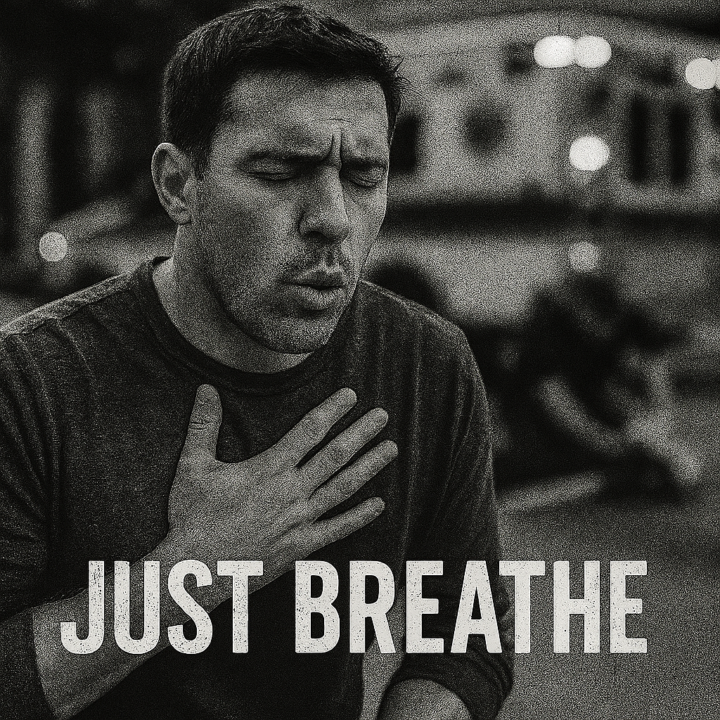
Not as a cliché — as a survival skill. In high‑stress, traumatic situations, our bodies shift into overdrive. Breathing gets fast and shallow. Heart rate spikes. Fine motor skills drop. Brain fog creeps in. And if we don’t catch it early, we lose the clarity we need to actually help someone. This is where self‑awareness becomes a lifesaving tool. When you recognize, “My breathing is out of control,” you can take it back. A simple, intentional reset — deep breath in, deep breath out — can lower your heart rate, clear your head, and get you back in the game. It doesn’t take minutes. It doesn’t require training. It takes two seconds. A two‑count pause can shift you from panic to purpose. From scattered to focused. From overwhelmed to effective. When someone’s life is on the line, your ability to control your physiology is just as important as the skills you’ve learned. Slow your breath. Reset your mind. Then get to work.
1
0
Jan 26 •
It Won’t Happen To Me
A mindset we all want to believe… until the day it’s no longer true. Most people go through life assuming emergencies happen to other people — strangers on the news, someone in another city, another family. But statistically, the average person will witness 2–4 traumatic events in their lifetime. Not because they live dangerously, but because life is unpredictable. And when those moments hit, the numbers tell a hard truth: • Only 41% of people in cardiac arrest receive bystander CPR. That means more than half of cardiac arrest victims never get the one thing that could keep them alive long enough for EMS to arrive. • Massive hemorrhage is still the leading cause of preventable death. Not exotic medical conditions. Not rare diseases. Bleeding. Something a trained bystander can control in seconds. • Most emergencies happen at home or around people you know. The person who needs help is far more likely to be a spouse, child, parent, coworker, or friend — not a stranger. • Every minute without CPR drops survival by 7–10%. Waiting for EMS is not a plan. Action is. • Bleeding can become fatal in under 3 minutes. A tourniquet or direct pressure applied immediately can be the difference between life and death. These aren’t scare tactics. They’re reality. And they’re the reason training matters before something happens — not after you find yourself wishing you had it. Preparedness isn’t paranoia. It’s love. It’s responsibility. It’s stepping up for the people who count on you, even if they never say it out loud. If you’ve ever thought, “It won’t happen to me,” remember: nobody ever thinks it will… until it does. Get trained. Get confident. Be the help before
3
0
Jan 19 •
Home Preparedness Reality Check
Question: What is one medical emergency you’re most likely to face at home with your family? • Bleeding? • Choking? • Cardiac event? • Seizure? • Something else? More importantly, are you prepared to act if an emergency happened today? Emergencies don’t wait until you’re ready. ➡️ Drop your answer and why you chose it.
0
0

1-7 of 7
powered by
skool.com/not-today-cpr-and-first-aid-3903
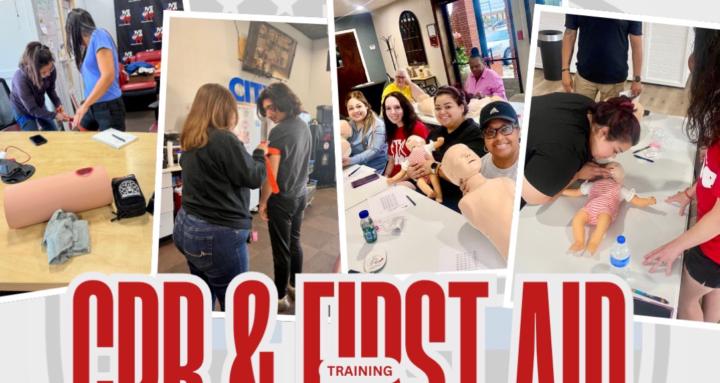
Be ready when it matters. Real-world CPR, First Aid & Stop the Bleed training by a first responder, for families, schools, and first responders.
Suggested communities
Powered by