
Write something
Dec '25 •
🎄🐎 HOLIDAY HORSE DRESS-UP CHALLENGE! 🐎🎄
Because if you’re festive… your horse should be too 😏 It’s time to break out the Santa hats, tinsel, ugly sweaters, and holiday chaos — for your horse. 🎅 HOW TO ENTER 1️⃣ Dress your horse in their best (or worst) holiday outfit 2️⃣ Take a photo 📸 3️⃣ Post it in the community comments (or tag it if required) ✨ Creativity counts ✨ Safe & horse-friendly only ✨ Bonus points for attitude, ears, and “why are you like this” expressions 🎁 THE PRIZE (aka worth it) 🏆 1 WINNER GETS: • FREE access to my upcoming podcast series 🎙️ • “No Bucks Given” T-Shirt 👕 • Matching Bandana 🧣 Yes. You and your horse will be dripped out. 🎄 JUDGING CRITERIA We’re looking for: • Holiday spirit • Originality • Humor • Horse tolerance level 😂 Winner will be announced after the holiday — because good things take time (and laughs). 🎁 Whether your horse looks majestic, mildly annoyed, or plotting revenge… we want to see it. Drop those photos below 👇 Let the holiday chaos begin. 🎄🐴
Dec '25 •
Barn Reminder
Every horse is on a different path. Some are just learning to trust the lead rope. Some are finding balance under saddle. Others are refining cues most people will never notice. But none of them learn faster because another horse is judged for where they are. The same goes for us. If you’re still learning your seat, your timing, your confidence — that’s okay. If someone else is ahead, behind, or taking a different route altogether — that’s okay too. Focus on your own ride. Stay soft in your hands. Keep your eyes forward. Progress comes from patience, not comparison. Let’s be a community that supports the journey — not critiques it from the rail. 🤍🐴
1
0
Dec '25 •
Learning Post: Unspoken Communication with Horses — What They’re Saying Before They Ever Make a Sound
Most problems with horses don’t start with behavior. They start with missed communication. Horses are masters of silent language. Long before a spook, refusal, bolt, or shutdown happens, the horse has already “spoken” — through posture, tension, breath, and timing. Learning to hear that conversation is one of the biggest skill upgrades any horse person can make. Let’s break this down in a way that’s research-backed, trainer-approved, and immediately usable 👇 🧠 why horses respond better to nonverbal communication Horses are prey animals with a highly developed sensory and emotional intelligence system. Research in equine behavior and neuroscience shows: - Horses read micro-movements in posture and muscle tension - They respond faster to body energy than to verbal cues - Their heart rate and stress levels synchronize with humans nearby (yes — your nerves talk) Studies using heart-rate variability (HRV) show horses can detect emotional changes in humans before we’re aware of them ourselves. Translation? 👉 If you’re tense, distracted, frustrated, or rushing — your horse already knows. 👀 The 5 Silent Languages Horses Use Constantly 1️⃣ Eye & Head Position - Soft eye, blinking → calm and receptive - Fixed stare, high head → alert, uncertain, defensive Ray Hunt famously said: “The horse is never wrong. If there’s a problem, it’s the human misunderstanding the conversation.” 2️⃣ Feet Before Face Horses tell the truth with their feet: - Weight shifting away = discomfort or confusion - Feet planted, leaning forward = curiosity or readiness Training tip: Before correcting a “behavior,” watch where the feet want to go. Often the answer is already there. 3️⃣ Muscle Tension (The Invisible Clue) Tight jaw, braced neck, locked back = mental resistance Soft topline, swinging tail, relaxed ribs = understanding Buck Brannaman emphasizes: “You don’t fix resistance by pushing harder. You fix it by releasing sooner.” 4️⃣ Breathing & Rhythm
1
0
Dec '25 •
Poem for thought
I didn’t find the connection, —it found me. Somewhere between the dust kicked up at dawn and the quiet thunder of a heartbeat bigger than mine could ever dream to be. See, a horse doesn’t lie. A horse doesn’t sugar-coat your spirit or buy into the small-talk stories you tell the world to sound strong. No— a horse walks straight through your walls like they were never built to stop anything except yourself. I met mine in the space between fear and freedom, hands shaking, heart racing, trying to convince myself I knew what I was doing. He just looked at me— that slow, steady, ancient look— like he’d already read the chapters I was too scared to open. And in that moment, I learned something. Connection isn’t a rope. It isn’t reins. It isn’t who sits higher in the saddle or who weighs more in the fight. Connection is the breath you release when you stop trying to impress something that already knows the truth. It’s the way he steps forward when the world steps back. It’s the way his ears flick like he’s tuning in to the frequency of your unspoken prayers. It’s the rhythm your heart finds when his hooves hit the ground in perfect, pounding harmony. He carries my weight —yes— but he also carries my silence, my storm, the kind of hurt I only admit when the wind is loud enough to steal my confession. With him, I am unhidden. Unmasked. Unbreakable in a way that has nothing to do with being tough and everything to do with being trusted. Because real connection? It isn’t learned. It’s earned. In the sweat. In the patience. In the thousand small yeses you whisper without ever opening your mouth. And one day— without warning, without fanfare, without any moment Instagram would notice— he looks at you. Not past you, not around you, not through you— at you. And you feel it. That invisible line. That quiet bond. That unspoken vow that says: I’ve got you. Not because you forced it. Not because you bought it. Not because you demanded it. But because you showed up honest. Human.
0
0
Nov '25 •
Day 1 of Tack Tips as I learn
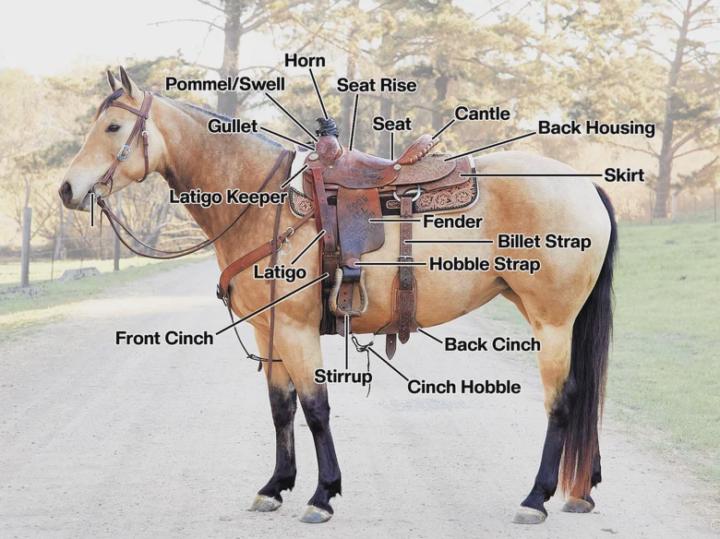
One of the most underrated foundations of good horsemanship is proper saddle fit. A well-fitted saddle keeps your horse comfortable, protects their back, improves their movement, and sets you both up for success—whether you’re trail riding, training, or just enjoying time together. Here’s a simple, clear breakdown you can use the next time you tack up: 1️⃣ Saddle Placement Matters Don’t set the saddle too far forward. Slide it gently back until it settles naturally behind the horse’s shoulder. This protects their scapula and allows free movement through the front end. 2️⃣ Check Shoulder Clearance You want 2–3 fingers of space between the top of the withers and the gullet. Too tight = pinching. Too wide = the saddle drops onto the withers. 3️⃣ Look for Even Contact Set the saddle on with NO pad first. Run your hand underneath the panels on both sides: ✔ Even pressure ❌ No rocking ❌ No bridging (a gap in the middle) ❌ No pressure points A good saddle should sit level—front to back. 4️⃣ Spine & Channel Clearance Make sure the channel (gullet) clears the spine the whole way down. There should be daylight from front to back and no pressure on the spinous processes or ligaments. 5️⃣ Tree Fit & Shoulder Movement When you press lightly on the pommel, the saddle should stay stable—not slam down on the withers. Ask yourself: - Can the shoulder rotate freely underneath? - Does the saddle stay balanced when you girth up? - Does it sit the same with you mounted? Tacking Up the Right Way 🐴 → Start Clean Your horse’s back should be clean and dry. Dirt = rubs. → Pad First, Then Saddle Place the pad slightly forward and slide it back with the hair. Then place the saddle on top—never plop it down. → Check Billets & Girth Alignment Billets should hang straight down. The girth should sit in the horse’s natural “girth groove,” not behind it. → Girth Up Gradually Don’t crank it tight all at once. Tighten slowly as you go so the horse can breathe and stay relaxed.
1
0
1-23 of 23
powered by
skool.com/no-bucks-given-hoofcamp-6560
Here we are Empowering horse owners to train with heart, build bonds, and find joy in horsemanship—no bucks, just better rides! So saddle up Buckaroo
Suggested communities
Powered by