

May 27 •
Who is MPGA really for?
https://open.substack.com/pub/drmatpark/p/who-is-mpga-really-for?r=50vumm&utm_campaign=post&utm_medium=web&showWelcomeOnShare=true
2
0
Nov '25 •
Why Every Breakthrough Begins with a Breakdown
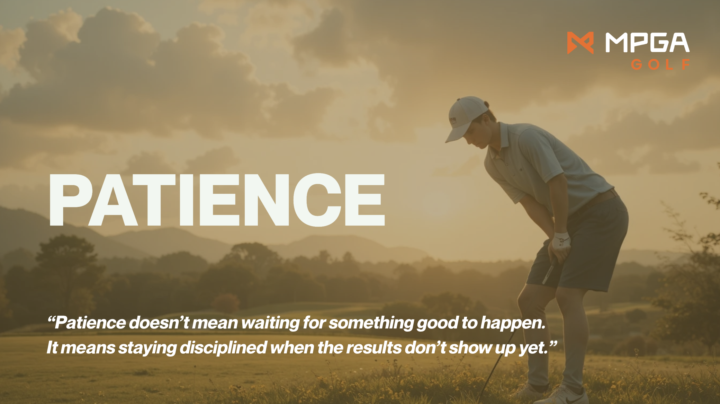
Patience doesn’t mean waiting for something good to happen. It means staying disciplined when the results don’t show up yet. Patience is one of the hardest skills to master, both in golf and in life.Elite players and high performers often want progress to match their effort. But real growth rarely happens that way. In the data and in the stories, one truth keeps showing up: the greatest breakthroughs are almost always preceded by struggle. The Pattern of Growth Research in performance psychology shows that skill development follows a nonlinear curve. - Improvement is fast early on. - Then comes the plateau, where effort feels high, and results seem stuck. - That plateau is where most people lose patience. But here’s the catch: that “flat line” in progress is where your brain and body are quietly adapting. Neural pathways are reorganizing. Muscle memory is stabilizing. Confidence is being built through repetition and recovery, not just results. In golf, this is the stretch when you feel like your swing is falling apart right before it finally clicks again. In entrepreneurship, it’s the moment when the risk feels heavier than the reward, right before the next big opportunity appears. The Psychology of the Breakdown When things start to feel like they’re breaking down, most people misread the signal. They see failure. They question their direction. They back off. But in elite performance terms, breakdown is not collapse, it’s recalibration. Cognitive strain and emotional frustration are signs that your system is reorganizing. Carol Dweck’s research on growth mindset and Anders Ericsson’s studies on deliberate practice both highlight this moment as the threshold of learning. It’s when the brain is moving from conscious effort to unconscious skill. You can’t shortcut this stage. You have to stay with it long enough for the adaptation to complete. Patience in the Process Patience isn’t passive. It’s active endurance. It means: - You keep showing up when feedback is unclear. - You stay disciplined when confidence dips. - You focus on controllables, attitude, preparation, and attention, not just on the scoreboard or results.
0
0
1-2 of 2

skool.com/mpga
Redefining how golfers train - uniting mind, body, and performance to unlock one's true potential on and off the course.
Leaderboard (30-day)
1

+1
Powered by