User
Write something
Basic Electrical: How to Repair an Outlet ⚡
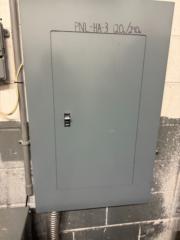
Have you ever found an outlet that won’t work or feels loose? Fixing a basic electrical outlet is a handy skill for any DIYer! Start by turning off the power to the outlet at your circuit breaker—safety first! Remove the outlet cover and use a voltage tester to make sure there’s no electricity flowing. Unscrew the outlet from the box and gently pull it out to inspect the wiring. Look for loose or disconnected wires, and tighten any loose screws. If the outlet itself is damaged or worn, replace it with a new one by connecting the wires to the same terminals. Once everything is secure, reattach the outlet and cover plate, then turn the power back on and test it out. If it still doesn’t work, there may be a larger wiring issue, and it’s time to call a professional. Have you tackled an outlet repair before? Share your tips, questions, or stories below—let’s help each other stay safe and keep things running smoothly!
0
0
Preventative Maintenance: Keep Your HVAC Running Smoothly! 🌬️🛠️
Want to extend the life of your HVAC system and save money on repairs? Preventative maintenance is key—and one of the simplest steps is regularly changing your air filter. A dirty or clogged filter restricts airflow, making your system work harder and less efficiently. Most experts recommend checking your filter every month and replacing it at least every 1–3 months, depending on your home, pets, and local conditions. A fresh filter can improve air quality, lower energy bills, and help prevent costly breakdowns. Besides filter changes, it’s smart to schedule annual professional checkups, keep outdoor units clear of debris, and check for any unusual noises or leaks. Do you have a reminder system for filter changes, or a favorite type of filter you recommend? Share your tips and questions below—let’s help each other keep our HVAC systems in top shape!
0
0
Basic Electrical: Replacing a Light Fixture 💡🔧
Merry Christmas Everyone Thinking about updating a room or fixing a broken light? Replacing a light fixture is a great DIY project that can instantly refresh any space! Start by turning off the power at the circuit breaker and double-checking with a voltage tester for safety. Remove the old fixture by unscrewing it from the ceiling or wall and carefully disconnecting the wires. Take note of how the wires are connected—usually, you’ll see black (hot), white (neutral), and green or bare (ground) wires. Connect the new fixture’s wires to the corresponding wires in your ceiling or wall, using wire nuts to secure them. Attach the fixture to the mounting bracket, install any bulbs or shades, and turn the power back on to test your new light. Have you replaced a light fixture before? Share your tips, photos, or questions below—let’s keep learning and lighting up our spaces together!
0
0
Advanced HVAC Repairs: When to DIY and When to Call a Pro 🧰
Sometimes, HVAC problems go beyond the basics. Issues like refrigerant leaks, faulty blower motors, or electrical component failures often require more advanced troubleshooting and repair skills. If you’re comfortable with tools and have some experience, you might try checking wiring connections or replacing a thermostat. However, repairs involving refrigerant, electrical components, or the blower motor are best left to licensed professionals for safety and warranty reasons. Have you ever tackled a more advanced HVAC repair yourself? What was the issue, and how did it go? Or have you learned the hard way to call in an expert? Share your stories, advice, or questions below—let’s help each other know when to DIY and when to dial a pro!
0
0
HVAC Not Working? Common Issues & Quick Fixes! 🛠️
Is your heating or cooling system not keeping up? Before you call for service, try these common troubleshooting steps: 1. **Thermostat Check:** Make sure your thermostat is set to the correct mode (heat/cool) and temperature. If it’s battery-powered, swap in fresh batteries to rule that out. 2. **Air Filter:** A dirty filter is one of the most common reasons for weak airflow or system shutdowns. Replace or clean your filter every 1–3 months for best performance. 3. **Circuit Breaker:** Sometimes a tripped breaker is the only issue! Find your electrical panel and reset any tripped breakers related to your HVAC system. 4. **Vents & Registers:** Walk around and make sure all vents and registers are open and unblocked by furniture, rugs, or dust. 5. **Outdoor Unit:** If you have central air, check that the outdoor unit is clear of leaves, dirt, or debris. Gently hose it off if needed (with the power off!). 6. **Condensate Drain:** A clogged drain line can cause your AC to stop working. Look for water around the indoor unit and clear the line if needed. If you’ve tried these steps and your system still isn’t working, it might be time to call a pro. What HVAC issues have you faced, and how did you solve them? Drop your questions or tips below—let’s help each other stay comfortable year-round!
0
0
1-9 of 9
powered by
Maintenance Hub
skool.com/maintenance-hub-7100
Maintenance Hub: A friendly space to share tips, solve problems, and connect with fellow maintenance pros and DIYers. Join us!