
Write something

20d •
Plant of the Week!
Bear Medicine! Also known as Osha. Her scientific name is Ligusticum porteril. 🐻 Did you ever wonder how people learned about the medicine of plants before there was science to teach us about them? Well, ancient people were so much more closely connected with the earth. They were observers. 🌲 In my harvesting classes I teach about this connection, or disconnection as it has become. How humans have invented means of protection and convenience like shoes to protect our feet and cars to get us from one place to another. Our climate controlled on demand environment, that has dulled our senses and separated us from our survival instincts. It has made us weak and unaware. But ancient people were not only aware of nature, they were part of it. They lived in balance with their animal relatives and knew how to survive. They learned from those like the great Bear nation, who taught us humans about their medicine Osha. So they are honored by its name Bear Medicine, and we use it the way they taught us to. I’m building a course all about this plant and it’s one of my favorites to talk about. Check it out with premium if you want to know more! Much Love and always always BE WELL!!! 🧿✌️ ❤️ Tia Cruzita
2
0
Jun 12 •
Plant of the Week!
Yerba de la Negrita! So many people that I have taught, have taken offense to the Spanish folk name for this plant, as negrita translates to “little black girl”. I have considered introducing it by its common name, Scarlet Globe Mallow because of this. But I carry on tradition in my work, and I happen to love the traditional name for this plant. In the culture I grew up in, negrita is a term of endearment. Much like calling someone sweetie or darling, it’s an affectionate nickname that does not necessarily even refer to someone’s skin color. I have not ever been able to find an explanation for why this plant earned this nickname, but I can recall to you what it brings to mind for me. My father comes from an Indio/hispano lineage, and I was raised around beautiful dark women with thick dark hair. In the old days they all used this as a hair rinse, they claimed that this is what kept their hair so thick and dark, long into old age. When I was little, my Grandma would put out all her pots and pans when it rained to collect water to wash my hair with. Her shampoo was yucca root, and her conditioner was yerba de la negrita. I remember her washing my hair like it was treasure, with her special ingredients. And then falling asleep as she tied it up in rag curls for the night. My Aunts and Uncles say she made a bald man’s hair grow back with Yerba de la negrita once. So give it a try! If you want to purchase some I’ll have the link to my website up soon. And maybe I’ll do a class soon on how to make the hair rinse!
Jun 4 •
Plant of the Week!
Sage! I chose this plant because I just returned from a ceremony where sage plays a very important role. But the world of sage is vast and varied and slightly confusing. So when I talk about Sage, I am most often not referring to the common culinary variety. In fact, the kind of Sage I use for spiritual and medicinal purposes isn’t even related to culinary Sage at all. Common culinary Sage is in the Salvia family, and related to wild Sage species like the super popular and somewhat controversial white Sage. These Sages are actually directly related to the mint family. But the kind of Sage that I harvest on my mountain and we use in the ceremonies that I attend are part of the Asteraceae family, which is one of the largest plant families including daisies and asters. Its genus is Artemisia which contains over 300 species including common wormwood, sagebrush and mugwort. Artemisia is one of the oldest and most widely used plants in human history. Archeological records show that in every place where humans ventured to and inhabited, the Artemisia plant was there shortly before. Suggesting that we followed the plant from our place of origin, and as it spread and inhabited the earth, so too did we. Artemisia is highly prized as medicine because of its bitter properties as well as its antimicrobial and anti inflammatory properties and its ability to treat parasitic infections. Studies show that burning Sage can reduce airborne bacteria by 94%. Compare that to Lysol which can kill 99% of airborne bacteria but is also a synthetic chemical that can cause lung issues. Artemisia is also a sacred plant, and maybe even more so prized for its spiritual medicine because of it’s ability to cleanse your space and your spirit. This is a plant to be honored and cared for, and one of my personal favorites. If you want to learn more, keep an eye on the classroom. I’ll have an entire course on it soon and I’ll tell you even more!
1
0
May 14 •
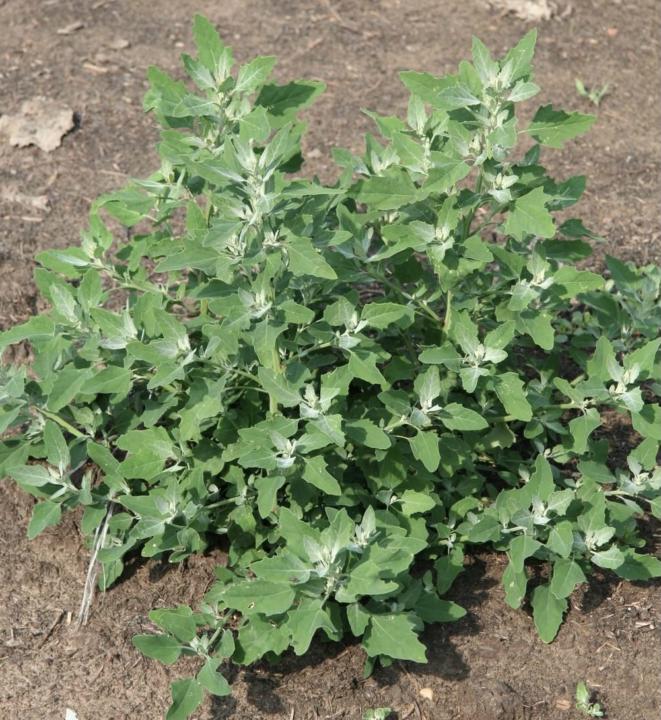
Chenopodium!
Aka lambsquarters, fat hen, white goosefoot, or as we call them here in New Mexico, quelites! This plant comes from the Amaranthaceae family and is related to spinach. This nutrient dense little plant is one of my favorite wild foods this time of year. My Grandma used to cook this up in a dish she called Quelites con Frijoles. She would slow cook a pork roast in beans and add in the quelites leaf with some red chile pepper flakes. I love to eat this with a little bit of butter and salt and pepper and a fresh homemade tortilla. Every time I make this meal I think of my Grandma. This is the perfect time of year to harvest Quelites. They have not yet gone to seed and the leaves are still young and tender. You can eat it raw, but it contains high levels of oxalic acid, so large quantities of raw Quelites should be avoided. But trust me, you can probably eat a lot of it cooked. My family sure can anyways, but this might be different for everyone. Medicinally the older leaves and seeds have been used to treat gastrointestinal issues. This plant grows in abundance in all 50 states INCLUDING Alaska and Hawaii. It’s free food! Not only for you and your family, but if you have livestock it’s great for them too. So do some research. Identify Chenopodium, and get out there and forage yourself some supper!
1
0
May 8 •
Plant of the week!
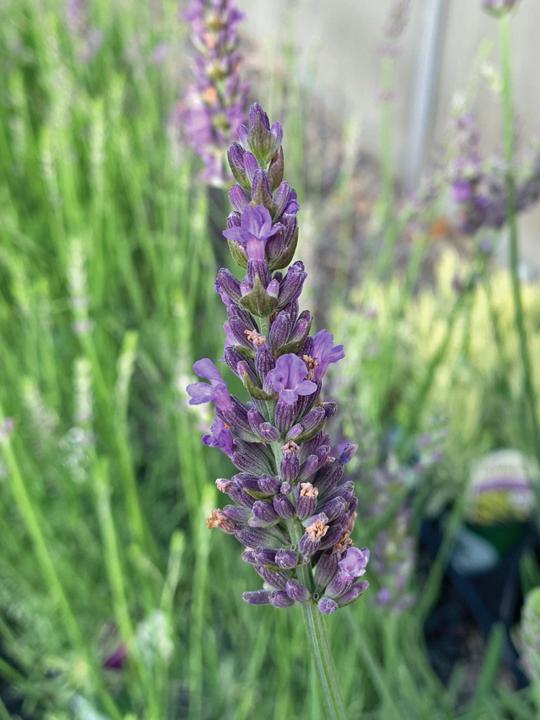
Lovely Lavender! This plant is a desert dweller. It’s a great drought tolerant addition to a garden and pollinators LOVE lavender. So much that it happens to be a major source for bees to make honey from. Here in New Mexico it loves our sun and dry sandy soil and it thrives where other plants fail. There are over 450 varieties of lavender that are used for food and medicine. Its name comes from the Latin word lavare meaning “to wash”, and if you know the clean crisp smell of lavender the name makes perfect sense. Because of this, along with its anti microbial and antibacterial properties it was and still is often used in soaps and bath products. It’s a member of the mint family, and like most members of the mint family it’s a wonderful insect repellent. It not only keeps bugs off of us, but it can help keep bugs out of your garden too. The history of humans using this plant goes back so far that we know the Ancient Egyptians used it in the mummification process and Ancient Romans valued it so much that they used it as currency, like money. Ancient Greeks used it to help them sleep and relieve back pain. And during the Bubonic plague it was used to ward off disease. These days we usually use it in teas or on our skin to help us relax, as that is what lavender is most well known for. But once you start to learn about this excellent plant you’ll find that it’s useful for much more. My website will be published soon, if you’re looking for a good place to purchase your lavender. I’ll have you covered! Then you can have some lovely lavender for your own home apothecary. Until next time Little Witches! Much Love and BE ELL! Tia Cruzita 🌱♥️
1
0
1-6 of 6
powered by
skool.com/little-witches-school-4891
A place for kids to interact and learn about nature, while parents learn how to build and use their home apothecaries.
Suggested communities
Powered by