
Write something

19d •
Build your Family Apothecary with me from A-Z
E is for Elderberry of course : known best for its ability to support the immune system. It can help to shorten the duration and severity of cold and flu symptoms and if taken as a preventative it can help you avoid it altogether. But did you know it’s packed with antioxidants and vitamins and contains high levels of phenolic acids which suggest Elderberry is also great for supporting heart health? But it’s not just the berries that are used medicinally. Its leaves and bark are often overlooked while the berries steal all the attention. Traditionally the leaves and bark are used to relieve joint and muscle pain and swelling. It’s also been used to treat headaches, fever, skin conditions, constipation, and more. Like many seed bearing fruits and berries, the seeds, bark and leaves of the Elderberry plant contain tiny amounts of cyanide and should be prepared properly. When prepared properly it is safe in general for adults and children, but there are some contradictions. Because Elderberry stimulates the immune system it can flare certain autoimmune conditions or reduce the effectiveness of immunosuppressant medications as well as diuretic and laxative medications. So, Elderberry is a level 2 in my apothecary and here’s why. 👍Pros : Very effective at boosting the immune system It’s sweet berry flavor makes it easy to integrate into herbal mixes Grows well in most home gardens Not at high risk of being over harvested Safe in small amounts for semi-long term use 👎 Cons : Several contraindications Mid level experience needed when preparing the raw plant
30d •
Build your family apothecary with me A-Z
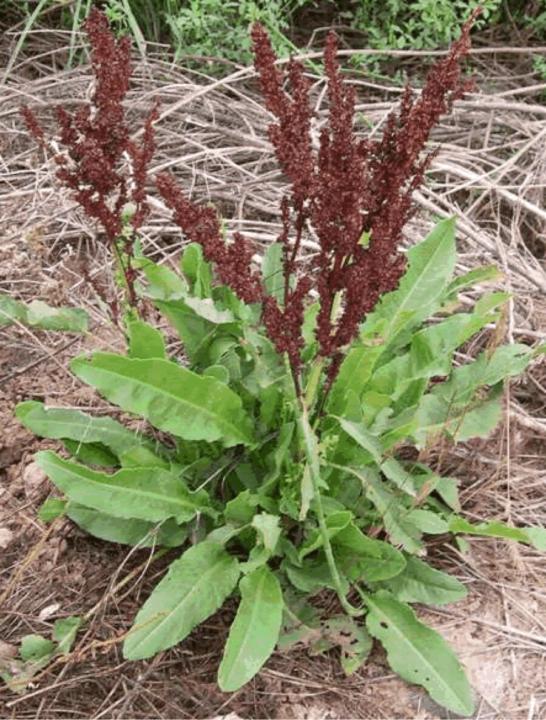
D D……. What do I keep in my apothecary that starts with D? Dock! Yellow dock root to be exact. I open this jar of golden chunks of root and the soft scent comes flooding out, filling my senses and taking me back to my most favorite place in this world, my creek. Yellow dock, Rumex is the wild version of Rhubarb. The whole plant is edible. But the roots are where the medicine is really concentrated. I harvest the roots in late summer when the plant begins to send its energy downward to be stored for the winter. The roots can get so big, I’ve dug some the size of my arm. In my apothecary I mainly use this as a mild digestive aid and laxative. But I also call it an emotional laxative, and this is where I find yellow dock root works most powerfully. She can gently, lovingly, help process and remove stuck emotions. I pair it with other gentle herbs of the heart, like rose or motherwort and together these herbs help clear and calm the heart. ❤️ Keep an eye out in the classroom. I’ll definitely be covering this plant. 🌱
1
0
May 14 •
Build your family apothecary with me A-Z 🍀🫙
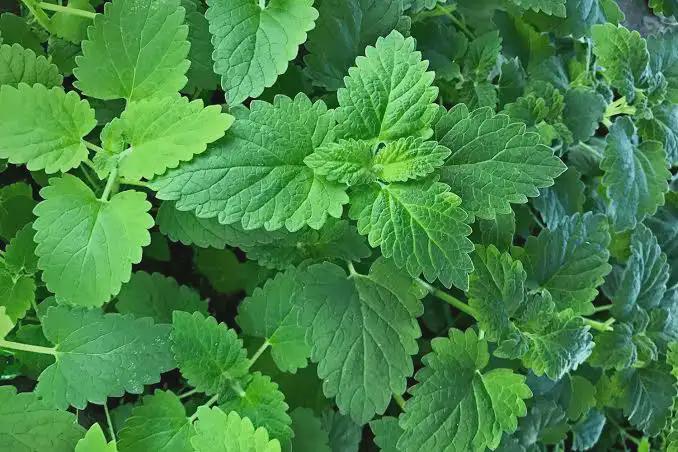
🐈 Catnip : Not just for cats! This mild sedative herb also helps humans! My somewhat controversial advice as an herbalist and a Mom is DITCH THE MELATONIN! There are better herbal options, and Catnip is one of them. It’s great for relieving restlessness and hyperactivity and not only does it work as a gentle sleep aid, but it also helps to soothe an upset stomach and reduce fever. I use Catnip for babies 6 months and up in mild tea form, as well as in a sleepy time mix for older kids and adults. It’s easy to grow in your home garden, and provides an abundant harvest. It’s generally safe for all members of the family and used to treat common ailments making this plant a level one herb. For a full breakdown on Catnip and why you should have this on hand in your herbal apothecary, keep an eye out in the herbal courses. I’ll have this and more posted for those in the premium tier soon! Much Love and BE WELL! ✌️Tia Cruzita ❤️🧿💕
May 5 •
Build your family apothecary with me A - Z
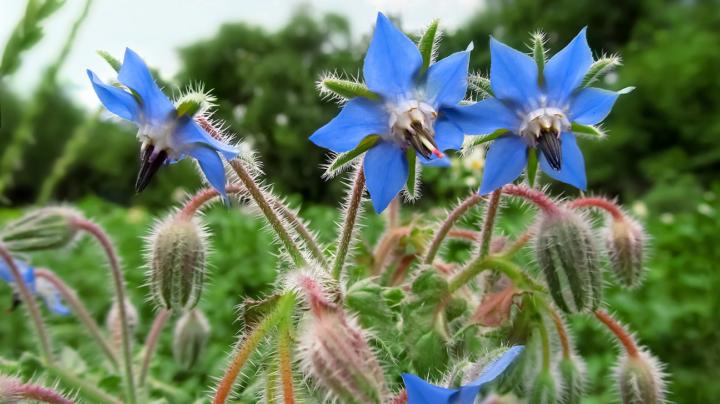
What begins with B? Borage! This plant is an interesting one because it is lovely for helping with skin issues. But if you were to try to harvest this plant fresh without protection its hairy little leaves will make you SO ITCHY! Here’s why I love having this plant in my garden as well as my apothecary. 👍 Pros : It grows like crazy in home gardens. Low maintenance plant. Loved by pollinators. Wide range of medicinal uses. 👎Cons : Can’t think of any. How I use it safely for my family; This is a lovely herb for adding to salves or poultices for skin issues like bug bites, rashes, and sunburns. As a bath and body product formulator, I also use it in a beef tallow lotion recipe; it’s one of my favorites. While the plant itself holds a higher medicinal value, the flowers are edible and I find them a perfect dainty little addition to a sleepy time tea mix. As I mentioned before, I think of herbal care in terms of numbers. This is level 1. Super gentle, easy to prepare, abundant herbs with a wide range of uses. This is what makes Borage one of my favorite additions to my home apothecary. I’ll be sharing the sleepy time tea recipe. And a three part video lesson for making borage infused oil and turning that into salve and a beef tallow lotion 😊
2
0
May 2 •
Build your family apothecary A-Z 🫙🌿
Astragalus root : Traditionally used in Chinese medicine, Astragalus root is an adaptogenic herb. This means it helps our bodies adapt to stress. Not just to mental and emotional, but to chemical and physical stress as well. Here’s a quick run down of why this plant holds its place in my home apothecary and how I most commonly use it. 👍 Pros : Generally safe for children and adults Excellent for boosting the immune system Excellent for using in herbal mixes Relatively long shelf life 👎 Cons : Sustainability challenges Heavily imported I typically think of levels of herbal care in numbers. Number 1 would be preventative care. Circumstances that would require level 1 care would be times when we know our health might possibly be at risk. Cold and flu season for example. And for level 1 care I would look to level 1 herbs. My definition of level 1 herbs are generally the safest, most abundant herbs and are often adaptogens. In my household, my favorite use for Astragalus is throughout cold and flu season. It’s an herb that is best used for a daily semi-long term preventative. We pair it with elderberry and licorice root in a syrup made with our favorite local honey, and everyone gets a couple spoons full a day. 🥄 Astragalus is a great addition to this mix, but it is not a necessity. Elderberry and Licorice root alone are very effective. While Astragalus is nice to have when available, it is not an herb I consider a priority in my apothecary. Elderberry and licorice root on the other hand, are two that I prefer to never go without. Printable Immune Boost Syrup recipe available for VIP members. Questions? Please feel free to ask!
2
0
1-5 of 5
powered by
skool.com/little-witches-school-4891
A place for kids to interact and learn about nature, while parents learn how to build and use their home apothecaries.
Suggested communities
Powered by