

22d •
Today, when I find a great property, I'm far more interested in keeping it than selling it.
For years, I struggled to keep rental properties. Every time I found a good rental opportunity, I'd do the math and think: "Why would I keep this for a few hundred dollars a month when I can flip it and make tens of thousands of dollars right now?" At the time, the answer seemed obvious. I needed the cash. So I'd sell the property, collect the profit, and move on to the next deal. And honestly, it worked. But something changed as I got further into my investing journey. I stopped asking, "How much can I make today?" And started asking, "How much income can this property create for years to come?" Today, when I find a great property, I'm far more interested in keeping it than selling it. Not because the flip isn't profitable. Because I've learned that building lasting wealth often requires passing on immediate gratification. Every rental I add to my portfolio creates another stream of income that continues long after the rehab is finished and the closing documents are signed. That's a very different kind of payday. Many investors never build substantial rental portfolios because the quick cash is hard to walk away from. I understand. I spent years making the same decision. Question for investors: Would you rather take a large payday today or build recurring income for tomorrow?
1
0
Jun 10 •
Flipping Homes.com Is back...
We’ll officially be shutting down this Skool community by the end of the month or during the first week of July as we transition fully into our Facebook community moving forward. And honestly… this shift is about something much bigger than platforms. Years ago, FlippingHomes.com became one of the biggest real estate investing communities in the country. Before social media. Before Facebook groups. Before everybody became a “guru.” People came there to learn real investing from real investors. Real conversations. Real coaching. Real deals. Real people trying to build a better life. And I’ve missed that. I’ve missed helping people think through deals.Watching someone go from overwhelmed to confident.Seeing investors grow through honest conversations and practical experience instead of hype. So we’re rebuilding it in a new way. Flipping Homes for Real Success is where we’ll now be focusing the community moving forward. Inside the Facebook group, we’ll be sharing: • real estate conversations • deal breakdowns • investing insights • practical tips • lessons learned• coaching and community interaction No fake pretending this business is easy and no guru nonsense. Just real people learning how to build something meaningful through real estate and life. If you haven’t joined the Facebook group yet, join us here so you can stay connected as we continue building this together: If this sounds like the kind of community you’ve been looking for… Drop “REAL SUCCESS” in the comments and come join us inside the Facebook group 👇 https://web.facebook.com/groups/3680249128949678/
26d •
Most investors would have flipped this property and taken the quick profit.
Most investors would have flipped this property and taken the quick profit. I chose a different path. Instead of selling, I kept the property. That decision taught me a valuable lesson about wealth building, cash flow, and the difference between making money today and creating freedom tomorrow. In this short video, I share why I held onto the property when many investors would have sold it, and how that mindset has shaped my approach to real estate investing. Watch here: https://youtu.be/ybOobodIPWU After watching, I'd love to hear your thoughts: Would you have flipped it or kept it?
0
0
28d •
A simple question that reveals a lot about how we think about wealth.
If you could choose just one, which would it be? A paid-for house and no investments OR An investment portfolio equal to the value of your house, while still carrying a mortgage There isn't necessarily a right or wrong answer. For some, the peace of mind that comes with owning their home outright is priceless. For others, having investments that can grow and generate income may feel like the stronger long-term move. The interesting part isn't the answer itself. It's the reason behind it. Which would you choose, and why? Also, a quick reminder that Lunch with Steve is happening today at 1:00 PM EDT. If you're available, we'd love to have you join the conversation. Time: 1:00 PM EDT Location: Google Meet: https://meet.google.com/tij-gtrt-idw We look forward to seeing you there!
1
0
Jun 12 •
The need for Affordable Housing in Knoxville
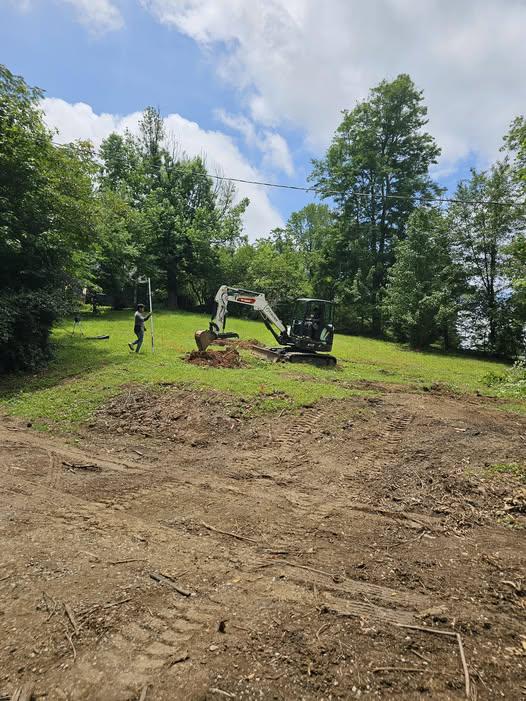
For Context this is the post i got bashed for🙂: We have many new construction projects lined up. It is our goal to bring affordable housing to East Tennessee. We have great crews. In Knoxville, we need more affordable housing. We have several new construction projects underway, and one of our goals is to help bring more quality homes into the $300,000 range. There is a real need for it. I'd love to see more investors and builders focusing on the same challenge. We may even open things up in the future and show exactly what we're doing and how we're doing it. Real estate investors: what's stopping more builders from creating affordable housing in your market?
0
0
1-23 of 23

skool.com/lifeonaire-academy-1612
A community for entrepreneurs and investors building lives rooted in faith, family, freedom, and fulfillment — not just more deals.
Leaderboard (30-day)
1

+1
Powered by