
Write something

29d •
Peptide Hub (Manufacturer Source)
PEPTIDE HUB Your trusted source for high-quality peptides, research compounds, and premium biotech products at some of the best prices available. We focus on: • Top-tier quality • Reliable sourcing • Competitive pricing • Fast shipping • Professional support Whether you're here for research, performance, recovery, wellness, or simply to learn more, you’re in the right place. Join the community, explore the products, and stay updated with new releases, group buys, and exclusive deals. https://discord.gg/pKjQXvzv https://www.skool.com/peptide-hub-7917/about
0
0
May 27 •
Night Shift Advice.
Hello, My name is Colton. I’m from good ole Utah. I’m a night shift nurse. Prior to working nights I was very active in the gym. Currently wanting to get back into the swing of things but having a super hard time finding the motivation/energy. Since starting this night shift job I’m down a good amount of weight. My diet is crap and my sleep is— well night shift…. Was hoping to find some recommendations/ protocols to help me get back into the swing of things. Currently taking: Modafadil 200mg mostly just on nights that I work. 125 mg testosterone Propranolol Er 60mg for anxiety HCG looking to have kids in the next year or so. Obviously I need to get my diet back on track. My current shift is 1700-0500. Most days I’m asleep by 0700 and up at 14:30 so I’m getting a decent amount of sleep. However, on my days off I’m always dragging and I feel like I’m playing catch up with my sleep. Currently 6’2 weighing 190lb down from 215lb. I would say my current body composition is skinny fat. Abs still showing but definitely holding some abdominal fat. Any recommendations or advice would be greatly appreciated Thanks in advance 😊
0
0
May 24 •
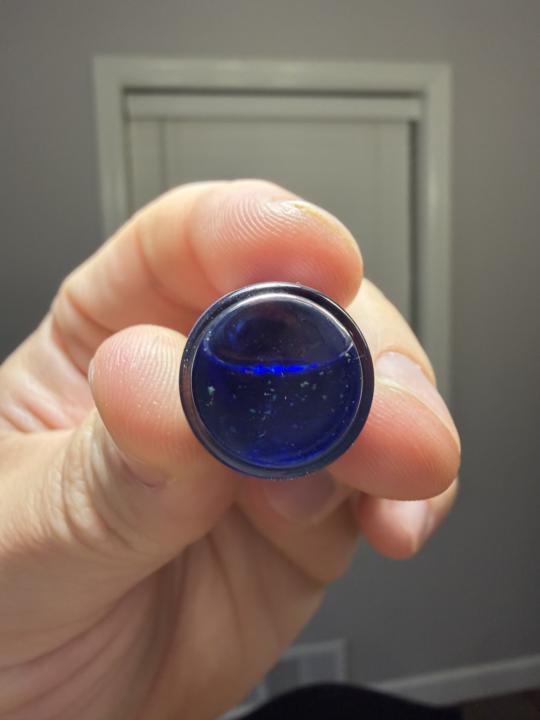
Klow reconstituted
Has anyone here had this happen before with a KLOW BLEND ? I reconstituted this vial with bacteriostatic water and after 24+ hours there are still visible particles/specks settling at the bottom and moving around when the vial is swirled. Can I still use it or is contaminated?
May 13 •
help with Broncogen please
I am recovering from a nasty URI. I found Broncogen. I cannot find reconstitution and dosing instructions anywhere. Can you help? Can I pair Broncogen with anything else to get the best results?
May 22 •
Testagen
Can anyone help me out with dosing, reconstitution, stack with, best time to use, fasted? Much obliged to all.
1-15 of 15
powered by

skool.com/legacy-dad-6509
Where operators optimize everything: biology, nutrition, training, peptides, psychology & leadership. Advanced protocols for total transformation.
Suggested communities
Powered by