
Write something
10d •
🇨🇦 SUPPORT YOUR COUNTRY 🇨🇦
CANADA 🇨🇦WAKE UP 🇨🇦 I TRAIN IN THE SNOW ❄️💪 NO SHIRT. NO EXCUSES 🚫 I AM THE ONLY CANADIAN INDIGENOUS MAN 🇨🇦 “MR. HEALTH & FITNESS 2026” 🗳️ 10 SECONDS 🗳️ ONE DAILY VOTE ❄️ IF I CAN TRAIN…….. 👉 YOU CAN CLICK❗️ FREE. ONE CLICK 💯 👀 WATCH AGAIN❓ 🗳️ VOTE EVERY DAY (10 seconds) 👉https://mrhealthandfit.com/2026/chief-little-eagle 🧡 EVERY CHILD MATTERS 🧡 MIGWETCH-THANK YOU 🙏 Let’s make CANADIAN 🇨🇦 ANCESTORS PROUD 🇨🇦 #mrhealthandfitness #huntingforgreatness #native #chieflittleeagle #warrior
1
0

11d •
Service First by Offering Yourself to the World Everyday
🇨🇦 SERVICE ISN’T SOMETHING I POST 🇨🇦 It’s something I live 🚒 Strength isn’t for attention 💪🏽 It’s for carrying others when it matters Health & Fitness SAVED MY LIFE❗️🧡 ,so I could serve with a strong body, clear mind, and good heart 🧠❤️ That’s why I’m running for Mr. Health & Fitness NOT for EGO. For EXAMPLE For our children 🧒🏽 For our people 🪶 ALWAYS SERVICE FIRST 🥇 🗳️ VOTE EVERY DAY (10 seconds) 👉https://mrhealthandfit.com/2026/chief-little-eagle 🧡 EVERY CHILD MATTERS 🧡 MIGWETCH-THANK YOU 🙏 Let’s make CANADIAN 🇨🇦 ANCESTORS PROUD 🇨🇦 #mrhealthandfitness #huntingforgreatness #native #chieflittleeagle #warrior

23d •
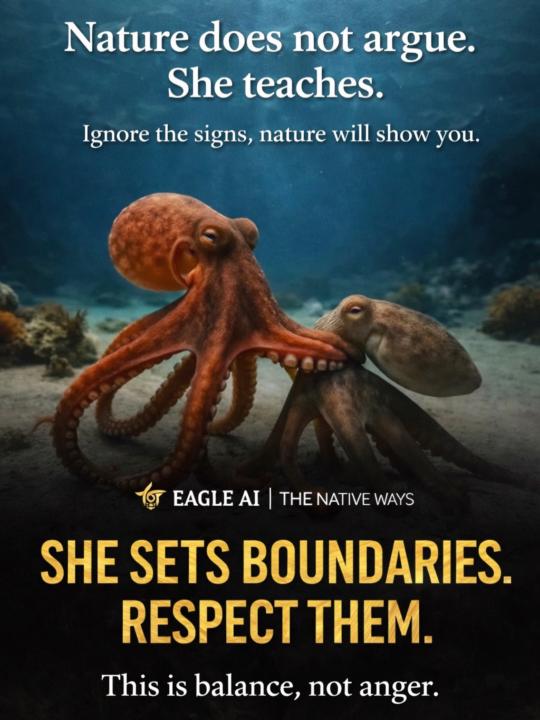
🌿 Nature does not explain herself 🌿
She demonstrates. When boundaries are crossed, she doesn’t argue❗️🚫 She corrects ⚖️ Not with anger With balance 🚫 This is NOT violence This is wisdom in motion 🌊 Respect the signs early, or learn the lesson later🚨 The choice is always ours❗️🌅 Walk in BALANCE. Live with RESPECT 🌎🙏 🪶 Learn the NATIVE WAYS 🪶 👉 www.chieflittleeagle.com 💸BUSINESS SKILLS in the Modern World 💸 👉 https://jointherealworld.com/?a=nrtd6ppdnh 🦅 WALK with me… Like a WARRIOR 🦅 SKODEN — LET’S GO❗️🏕️ #huntingforgreatness #native #chieflittleeagle #nishnabi #warrior
Jan 6 •
How to Dry Meat the Native Ways
NISHNABI WARRIORS 🪶 ❌ NO FRIDGE ❌ NO FREEZER 🧠 JUST KNOWLEDGE 🧠 🥩 Meat MUST be VERY DRY 👉 Bend = NOT READY 👉 Crack = GOOD 💥 ⚖️ 10 lbs RAW ➡️ 3 lbs DRY 🥩 50% MEAT 🧈 50% FAT 💪 6 lbs Pemmican = 18 lbs Fresh Meat 🔥 Strong food ⏳ Long-lasting 🪶 Learn the NATIVE WAYS 🪶 👉 www.chieflittleeagle.com 💸BUSINESS SKILLS in the Modern World 💸 👉 https://jointherealworld.com/?a=nrtd6ppdnh 🦅WALK with me… Like a WARRIOR 🦅 SKODEN — LET’S GO❗️🏕️ #huntingforgreatness #native #chieflittleeagle #nishnabi #warrior
1
0

Jan 4 •
Disease & Fire is What Almost Wiped Out the Nishnabi of Ca-Da-Yand 🇨🇦
After DISEASE 🦠 was FIRE 🔥 THE LAND BURNED 🇨🇦 Resources Vanished “LIFE BECAME HARDER❗️💯” This is how pressure builds…….. NOT overnight, but over TIME ⏰ 🪶 Learn the Native Ways 👉 www.chieflittleeagle.com 🧠 Build strength in the modern world 👉 https://jointherealworld.com/?a=nrtd6ppdnh 🦅 WALK with me… like a WARRIOR 🦅 SKODEN — LET’S GO❗️ #huntingforgreatness #thenativeways #chieflittleeagle #nishnabi #warrior
1
0

1-24 of 24

skool.com/hunting-for-greatness-tribe-1664
Join our tribe to explore ancient Algonquin wisdom, master survival skills, and unleash your inner GREATNESS with Chief Little Eagle! 🇨🇦 🦅 🇺🇸
Powered by