
Write something
Pinned

Mar 9 •
Welcome to Human Dynamics Lab 👋
Welcome to Human Dynamics Lab. This community is built for people who want to master communication and understand human behavior at a deeper level. Inside the lab we explore practical psychology through the DISC behavioral framework, real communication scenarios, and leadership dynamics. You'll find discussions about things like: • Handling difficult personalities • Communicating with different DISC styles • Understanding why communication breaks down • Improving leadership and influence But before we begin… Let's get to know the people inside the lab. 👇 Introduce yourself in the comments using these 3 prompts: 1️⃣ Where are you from? 2️⃣ What do you do professionally? 3️⃣ What made you interested in communication or DISC? Optional bonus: 4️⃣ If you already know it — what DISC style do you think you are? Looking forward to meeting everyone inside the lab. Communication gets interesting when real people are involved. Let's begin.
2
0
Pinned
Mar 15 •
What is DISC? (And why we use it here)
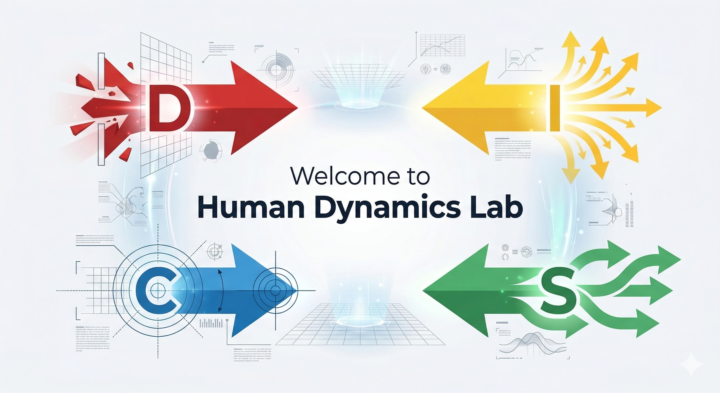
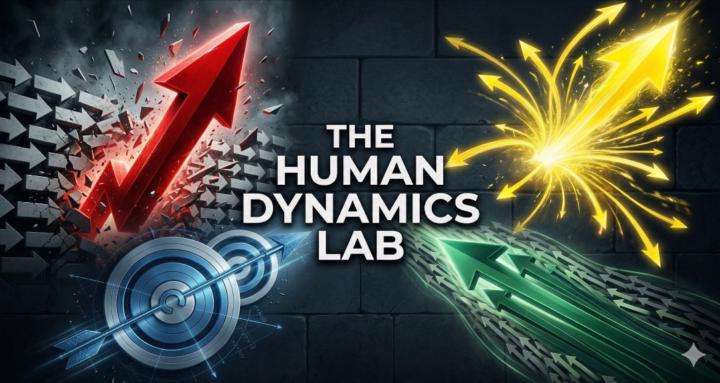
Chances are you’re new to Human Dynamics Lab when you read this. Welcome once again! Here is some general info on what we are about here: You’ll see the term DISC quite often. DISC is a behavioral model that describes how people tend to do things — especially how they communicate, make decisions, and interact with others. It was originally inspired by the work of psychologist William Moulton Marston and later developed into one of the most widely used communication frameworks in the world. But here’s the important part: DISC is not about putting people into boxes. It’s about understanding tendencies. Think of it more like behavioral gravity — certain styles simply feel more natural to some people than others. The 4 Behavioral Styles DISC describes four core patterns: 🔴 D – Dominance Direct, decisive, action-oriented. 🟡 I – Influence Expressive, social, enthusiastic. 🟢 S – Steadiness Calm, supportive, patient. 🔵 C – Conscientiousness Analytical, precise, detail-focused. And in reality: Most People Are a Mix Very few people are just one type. Most people show a combination of two styles, sometimes even three. For example: • D + I → bold and persuasive • S + C → thoughtful and reliable • I + S → warm and people-oriented • D + C → strategic and results-focused Understanding these combinations is where DISC becomes really interesting. Sometimes it can be surprisingly eye-opening. Suddenly you realize things like: “Ah… that’s why this person communicates that way.” Or: “That explains why we keep misunderstanding each other.” Or: You realize why sometimes you feel like taking massive action and a couple minutes later you feel differently about the same topic. Why We Use DISC In This Community: In Human Dynamics Lab, DISC is simply a lens to explore human behavior. We’ll use it to look at: • communication patterns • leadership styles • everyday misunderstandings • funny real-life scenarios • and occasionally… situations where you might think “Yep… classic DISC moment.”
Poll
Cast your vote
1
0
1-2 of 2
powered by
skool.com/human-dynamics-lab-6521
A global community for mastering communication and understanding human behavior through DISC.
Suggested communities
Powered by