
Write something
Pinned

Jun 6 •
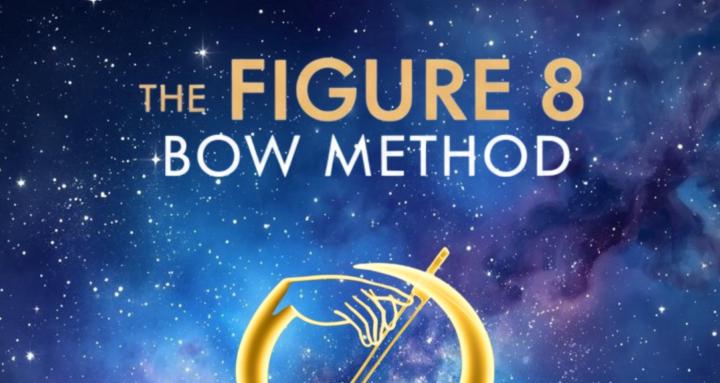
The Figure 8 Bowing Method
The Figure 8 Bow Method A Movement-Based Approach to Violin Mastery for Adult Students 1. The Foundation: Learning Through Shapes and Movement Traditional violin instruction often focuses on notes and technique first. The Figure 8 Bow Method begins with natural movement patterns that the body already understands. Students learn through: * Figure 8 patterns * Circles * Spirals * Flowing directional movements These shapes create freedom, coordination, and ease before focusing on complex musical skills. 2. Developing Right-Hand Dexterity The bow arm is trained through continuous flowing movements that eliminate tension and stiffness. Students learn to: * Create a flexible bow hold * Develop smooth bow changes * Improve bow control * Increase speed and agility * Produce a more beautiful tone * Build confidence in string crossings The figure 8 and circular motions help students experience movement naturally instead of forcing technique. 3. Developing Left-Hand Dexterity and Vibrato One of the unique aspects of the Figure 8 Bow Method is that vibrato development begins much earlier than in traditional violin instruction. Using figure 8 and circular movement patterns, students gradually develop: * Finger independence * Hand mobility * Wrist flexibility * Arm coordination * Vibrato motion * Shifting skills * Relaxed left-hand technique Rather than treating vibrato as an advanced skill reserved for years down the road, students begin building the foundational movements from the very beginning. The figure 8 shapes naturally teach the flexibility and flow needed for a healthy, expressive vibrato. 4. Finding Your Voice Through Vibrato Vibrato is more than a technique—it is a form of musical expression. As students develop vibrato through the Figure 8 Bow Method, they learn how to: * Control vibrato speed * Explore different vibrato widths * Match vibrato to the emotion of the music * Create warmth and depth in their sound * Develop their own musical personality
Pinned
Jun 6 •
Watch Here for more info on the Figure 8 Bow Method
https://www.youtube.com/watch?v=BqwtKu88Izs
2
0

1d •
Left hand holding position
I noticed that my thumb is straight in my left hand while holding my violin. What can I do to prevent tension in my wrist?
2d •
This Sunday, Tired of the Tension?
https://haddymusic.com/live-webinar-page Join me and bring your violin, these techniques will help you release that tension in your playing
0
0

1-30 of 52
powered by
skool.com/haddy-music-strings-free-hub-4764
Develop your tone, intonation, and vibrato with the Figure 8 Bow Method! Find your unique voice on the violin or the viola, join free today!
Suggested communities
Powered by