
Write something
Apr 20 •
5 Evidence-Based Reasons to Start Strength Training After 40
1. It counteracts age-related muscle loss From around midlife, adults lose roughly 3–8% of muscle mass per decade—a condition known as sarcopenia. Randomized controlled trials show that resistance training can significantly increase muscle mass and strength, even in people in their 60s, 70s, and beyond. This helps preserve mobility and independence. 2. It improves metabolic health and body composition** Strength training has been shown to reduce fat mass and improve insulin sensitivity, lowering the risk of type 2 diabetes. Unlike dieting alone, resistance exercise helps maintain lean tissue during weight loss, which is critical for long-term metabolic function. 3. It supports joint function and reduces pain Clinical guidelines consistently recommend resistance training for managing joint conditions such as osteoarthritis. Strengthening the muscles around joints improves stability, reduces pain, and enhances physical function, particularly in the knees and hips. 4. It increases bone mineral density Weight-bearing and resistance exercises are among the most effective non-pharmacological strategies for preventing and managing osteoporosis. Studies show that consistent strength training can slow bone loss and, in some cases, modestly increase bone density. 5. It benefits mental health and cognitive function** Systematic reviews and meta-analyses indicate that resistance training is associated with reductions in depressive symptoms and improvements in cognitive performance in older adults. These effects are comparable to other forms of structured exercise and contribute to overall quality of life. **What guidelines recommend** Organizations such as the World Health Organization and the American College of Sports Medicine recommend muscle-strengthening activities involving major muscle groups at least twice per week for adults, including those over 40. The evidence is consistent: strength training is a safe, effective, and well-supported intervention for maintaining physical and mental health as you age—even if you’re starting for the first time
0
0
Apr 9 •
Kettlebells: Why they are a useful training tool?
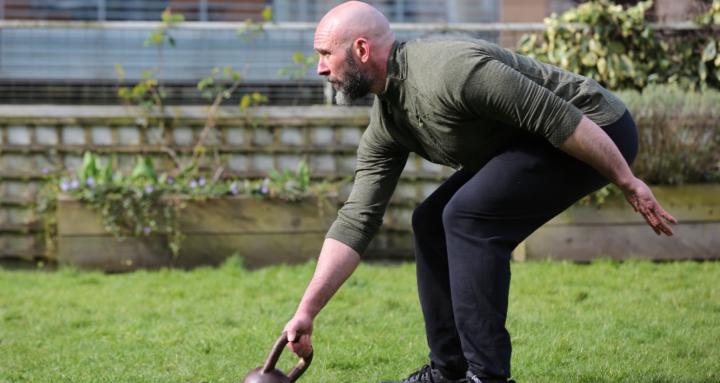
Kettlebells are one of the most underrated tools in training—and honestly, they might be one of the most effective. First off, they’re incredibly versatile. With just one kettlebell, you can build strength, improve cardio, and increase mobility. Swings, cleans, presses, squats—you're hitting multiple muscle groups in a single movement, which makes your workouts efficient and effective. They also train real-world strength. Unlike machines that isolate muscles, kettlebells force your body to stabilize, balance, and move as a unit. That means better coordination, stronger core engagement, and improved functional fitness you’ll actually notice outside the gym. Another big win: kettlebells are amazing for conditioning. High-rep or timed sets can get your heart rate up fast, giving you both strength and cardio in one session. Perfect if you're short on time but still want a solid workout. And let’s not forget grip strength. Holding and controlling a kettlebell challenges your grip in ways dumbbells don’t always match—which carries over into pretty much every other lift. Whether you're a beginner or advanced, kettlebells scale easily. You can keep things simple or make them brutally challenging. Bottom line: if you’re not using kettlebells yet, you’re leaving serious gains on the table. #Fitness #StrengthTraining #Kettlebell #WorkoutTips
Mar 16 •
Webinar Week 7: How to keep it Sustainable
Sorry for delay getting this over. I have enclosed a link to the webinar below.
0
0

Mar 10 •
This evenings webinar.
I need to take my youngest to scouts so will film today’s webinar and post later. Will be on making sustainable food, exercise and lifestyle choices. Usual drill, if you have any questions just give me a shout.
Mar 9 •
Week 7: How are we all doing?
Hey all. Hope you are all well? What would you find most useful topic to discuss at the weeks webinar?
0
0
1-25 of 25
powered by
skool.com/get-shit-together-program-8637
A KB community dedicated proper technique, developing strength, improving movement, and increasing cardio. Learn, train, and get stronger together.
Suggested communities
Powered by