
Write something

3d •
🔥 Working 12–14+ Hour Days Is No Joke
For the past 10 weeks, I’ve been pushing 14+ hour days…Some days even hitting 18 hours. Let’s be honest — it’s not sustainable forever. Yes, there are benefits: Growth. Momentum. Progress. Building something real. But there are also real costs: Your health. Your energy. Time with the people who matter most. And that’s exactly the point most people miss. We don’t grind like this for life. We grind like this for a season. 6–12 months of focused, intentional sacrifice…So that later, you can: ✔ Take care of your health properly ✔ Be present with your family ✔ Create freedom instead of chasing survival This is not about burnout. This is about strategy. Short-term sacrifice for long-term control. Just make sure you know why you're doing it —and what you're building towards.
7d •
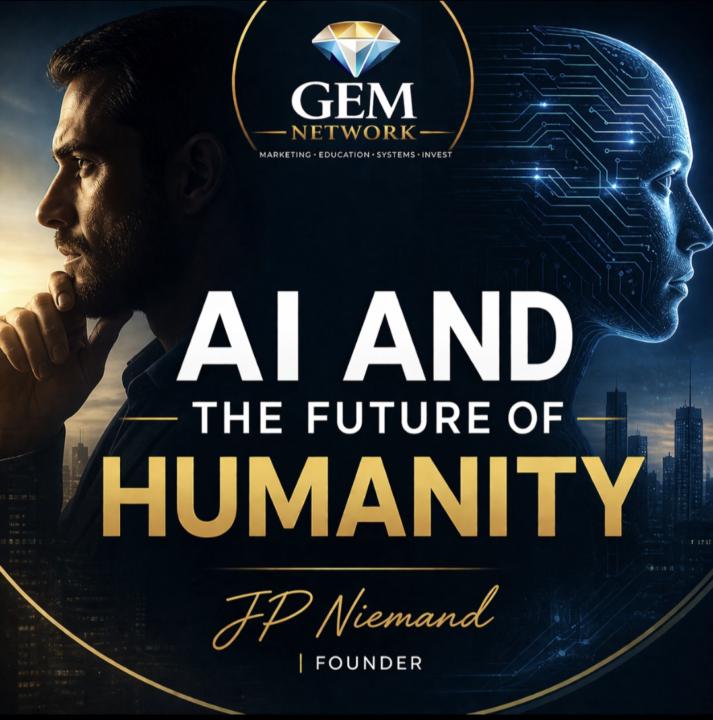
AI and the Future of Humanity
AI is advancing at an incredible pace—and it’s heading in a direction that raises serious questions for humanity. I recently received an email from Tanner at AI Advantage Club. What stood out to me was how he promoted an AI tool that does “most” of the work for him—freeing up his time while AI effectively “works for him.” At first glance, that sounds appealing. But has anyone considered how potentially dangerous this could become? What happens if everyone begins relying on tools like this? Over time, these systems will become more advanced, more capable, and more integrated into everyday life. Fast forward a few years, and we could be facing a reality where AI is deeply embedded in—and possibly controlling—large parts of society. This is where my concern lies. If AI takes over most forms of work, what happens to human purpose? Work, effort, and responsibility have always been part of what gives our lives structure and meaning. If those elements disappear, what fills that space? In a world where many are disconnected from deeper purpose—whether spiritually or otherwise—this question becomes even more important. Imagine this: It’s the year 2030. Much of the work once done by humans is now handled by AI systems. People rely on personal AI “assistants” or even digital “clones” to manage their businesses, communication, and productivity. These systems interact with one another, while humans take a step back. At first, it may feel like freedom. But over time, without meaningful responsibility or contribution, life could begin to feel empty. When everything is handed to us, without effort or growth, the sense of fulfillment may fade. Entertainment and comfort can only satisfy for so long without a deeper sense of purpose. There is, however, another way to view this future. If AI is used as a tool—not a replacement—it could create space for what truly matters. Imagine using AI to handle repetitive tasks, while you remain actively involved, disciplined, and intentional. You still show up, you still engage, and you still take responsibility.
Feb 6 •
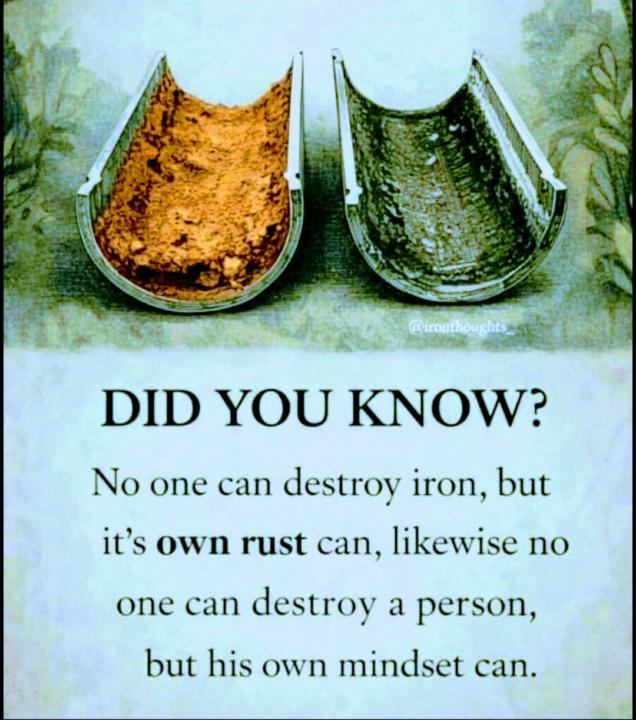
Thought for the day 💭
Such a true reflection of how mindset influences both you and your business. What’s one thing you’d like to change in your thinking that’s stopping you from taking that next big step? My pastor always says: "If you wanna hesitate, you better ma los it uit" 🤣 Have a blessed weekend everyone!
Mar 18 •
Prepare and Execute 🎯
Topic of the Day: Prepare and Execute Prepare Preparation is the foundation of any goal—especially big ones. In business, the focus should not be on preparing for the entire goal at once, but rather on breaking it down into small, manageable steps. Preparing for these steps makes time management easier, increases productivity, and ultimately leads to better outcomes than expected. Execute Execution is where consistency matters most. Consistently planning and following through on those small steps builds discipline, habit, and routine. Over time, success becomes inevitable, and failure loses its place in your mindset. This doesn’t mean every day will feel like progress—there will be ups and downs. But when you stay committed to the process, those challenges become part of the journey toward exceeding your goals. Stay consistent. Stay focused. Success follows.
0
0
Mar 4 •
Let’s talk about leadership. Not the title — the responsibility.
In South Africa, many of us didn’t grow up with venture capital, startup incubators, or perfect business conditions. We grew up learning how to make a plan. And that mindset is actually the foundation of real leadership. Leadership in the online business world isn’t about followers or motivational quotes. I t's about ownership. Ownership of: - Your results - Your discipline - Your learning curve - Your execution The truth most people avoid: 👉 If your income hasn’t changed, your leadership hasn’t changed yet. Because leadership means making decisions that others are too uncomfortable to make: • Learning sales when you’d rather just “build”• Posting content when no one is watching• Studying markets instead of scrolling• Executing daily even when results are slow At GEM Holdings, one value sits above everything else: 💎 Build people who can build businesses. Money online is not just about tactics. It’s about becoming the kind of person who can create value consistently. And that is leadership. 👇 Let’s hear from the South Africans in this community Drop a SA Flag emoji in the comments and answer this honestly: What is the ONE leadership skill you’re currently trying to develop to grow your online income? Sales? Consistency? Focus? Confidence? Execution? Let’s learn from each other. Because when one founder grows, the entire ecosystem gets stronger. 💎 Build the person. The business will follow.
0
0

1-8 of 8
powered by

skool.com/gem-education-5588
Master your health and wealth with simple, proven systems so you can build a stronger body, a sharper mind, and a life of financial freedom.
Suggested communities
Powered by