
Write something
🔥
Feb 8 •
Never Alone: Model Call
This is the first short film I created from my memoir- one of survival, dreams, and finding strength when you feel like you have none. See more📽️👉https://www.youtube.com/@FreeFallin1989

6d •
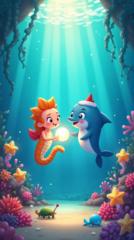
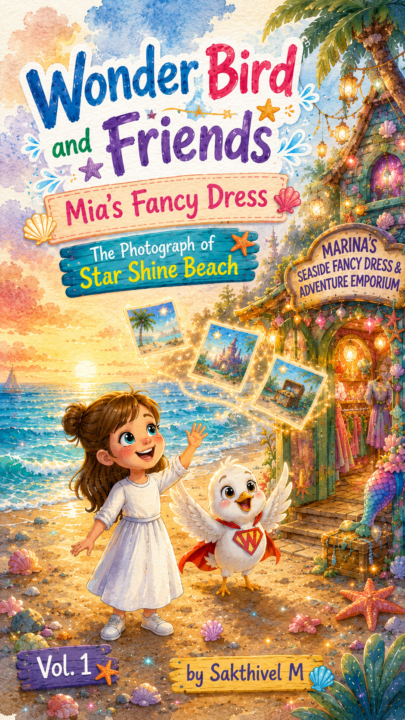
New Release – Wonder Bird & Friends: The Photograph of Sunshine Beach (Vol 1)
A fun trip to a fancy dress shop becomes the beginning of an unforgettable mystery! Follow Wonder Bird and Mia as they search for clues, uncover surprising secrets, and discover that every mystery has a story waiting to be told. This adventure also pays a special tribute to @Cristal Vancarson inspiring real-life achievement, lovingly recreated in a child-friendly way through Mia, an enthusiastic fan of cristal whose imagination brings the moment to life. Thank you so much for supporting during the process Why this book is special: Mia takes the spotlight as the main hero for the very first time. Mia's super powers are revealed A blend of mystery, friendship, imagination, and inspiration for young readers. 📖 Available now in Paperback and Kindle eBook. 🔗 https://www.amazon.com/dp/B0H7BY7VXH
1
0
🔥
10d •
My First Time Leaving the Country
The First Time I Left Love for Tokyo I was fifteen and deeply in love the first time I left for Japan. He drove me to the airport in Los Angeles, my suitcases packed for a three-month contract that felt like forever. I remember staring out the window so I wouldn’t have to look at him. I cried the entire way there. I cried walking through the terminal. I cried on the plane. I cried somewhere over the Pacific, wondering what I had just done. I thought I was brave. I didn’t know I was terrified. When I landed in Tokyo, the world felt louder, brighter, faster than anything I had ever known. The signs were unreadable. The air smelled different. Even the silence between people felt foreign. I didn’t realize how overwhelmed I was until two weeks later when I demanded to be sent back to Los Angeles. I told my agency I couldn’t handle it. I was fifteen, thousands of miles from home, and drowning in culture shock I didn’t have language for. And yet — my very first job? I helped open Tokyo Disneyland. I shot the cover and fourteen pages of Olive magazine. On my first night in my model apartment, there were clothes laid out on my bed. Not wardrobe for a shoot — wardrobe for me. Outfits I was expected to wear to castings. Plaid patterns. Oversized blazers. Men’s shoes. Hats. Structured pieces that swallowed my California softness whole. I loved it. It felt like stepping into another identity — one that was sharper, stranger, braver. Back home I had a convertible Alfa Romeo. In Tokyo, they gave me a bicycle. They chauffeured me to auditions, but the bike was for riding around the neighborhood, weaving through narrow streets that smelled like soy sauce and rain. I pedaled through a life that didn’t resemble mine at all. I had left love at the airport. And somehow, in the middle of my tears and terror, I was opening Disneyland in Tokyo. I didn’t understand what overwhelmed me at the time. I only knew my chest felt tight and everything felt unfamiliar. The language. The silence in elevators. The way people didn’t hug. The way I stood out without trying.

🔥
10d •
9 Auditions a Day
CHAPTER 6 — Nine Auditions a Day Tokyo modeling was a machine — and I became one of its gears. People think modeling in Japan is glamorous, but they don’t understand the schedule, the grind, the exhaustion, the running, the subway transfers, the bicycles, the van rides, the heat, the humidity, the snow, the endless outfits stuffed in a bag, the composite cards, the smiles, the “arigato gozaimasu,” the bowing, the waiting rooms, the hallways filled with girls from every country in the world. Nine auditions a day. Every day. And then — seven days of work. That was the rhythm of my life. One day of running around the city for castings… and then a full week of jobs because I booked almost everything I went out for. It wasn’t arrogance — it was reality. I was extremely popular there. The clients loved my look. My energy. My expressions. My reliability. My timing. My professionalism — even at fourteen, fifteen, sixteen. I was the girl they kept calling back. Seven out of nine jobs? Sometimes eight. Sometimes all nine. Tokyo was a city that tried to break most girls — but it built me. I thrived in it. And the wildest part? The last three years I spent in Japan… I didn’t even have to do auditions anymore. I would land in Tokyo, walk into the agency, and within hours the phone was already ringing off the hook with bookings. No castings. No competition. No waiting rooms. No swimsuit-in-a-lobby moments. I would just roll into town, work nonstop, and roll right back out. That’s how strong my name was. That’s how wanted I was. That’s how much Japan loved Kuri-chan. But before I got to that level, before I became the girl who didn’t need castings anymore… there was one audition — one casting among the nine-a-day madness — that changed everything. The Okinawa job.

🔥
10d •
Central Casting in the 1980s
Before I ever had lines, I had proximity. My first boyfriend’s father was a television director in the 1980s. He directed episodes of shows like The Love Boat, Hotel, and Fantasy Island — glossy, prime-time fantasies that filled American living rooms every week. To me, they weren’t just shows. They were doorways. Through my boyfriend, I was introduced to Central Casting. I became SEG — Screen Extras Guild. Back then, that meant you were a union background artist.. You were atmosphere. You were the blur behind the stars. But for a teenager obsessed with Hollywood, it felt like a backstage pass to the kingdom. I stood on soundstages where palm trees were painted on flats, and champagne glasses were filled with ginger ale. I learned how to hit marks without being seen. How to look natural while pretending not to notice the camera. How to exist in the frame without pulling focus. Extras weren’t there for glamour. Most were there hoping — hoping to get discovered, hoping to earn enough vouchers to become SAG, hoping someone would notice them in the background and pull them forward. Recently, SEG background performers were made SAG-eligible, which feels poetic. For years, those union extras were the invisible scaffolding of Hollywood. They filled hospital corridors, restaurant scenes, and airport terminals. They made fantasy look populated. I wasn’t chasing fame in those early days. I was learning the rhythm of a set. I was watching. I was studying. I was figuring out how the machine worked. And once you see how the machine works, you can never unsee it.
5
0

1-30 of 60
powered by
skool.com/free-fallin-1989-1364
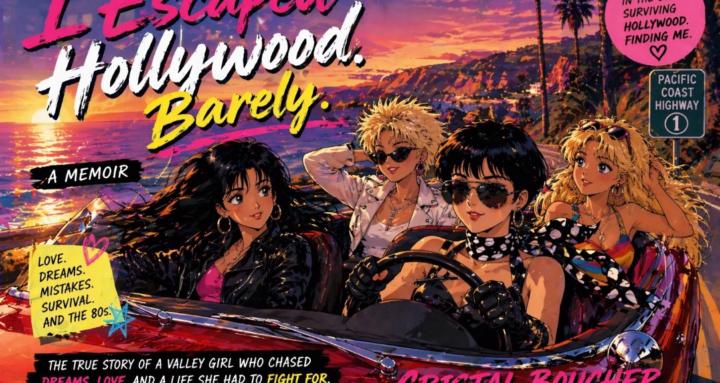
Real stories from Hollywood to Japan in the 80s. A place to share memories, experiences, and step inside a memoir unfolding in real time.
Suggested communities
Powered by