User
Write something
The unsung hero of every kitchen.
“Behind every great chef is a dishwasher who deserves a medal.” Who is your MVP?
1
0
The unsung hero of every kitchen.
From Sober-Curious to Profitable: The Rise of Mocktails in Restaurants
1. A Market on the Mend—And Booming The global mocktail market is surging ahead. While RTD (ready-to-drink) mocktails were valued at $8.26 billion in 2023, forecasts predict they’ll more than double to $13.6 billion by 2032, with an annual growth rate near 9.6% Another report projects the broader industry reaching $126 billion by 2031, expanding at ~8% CAGR . Clearly, mocktails are scaling fast—from wellness trends to revenue powerhouses. 2. What’s Fueling the Movement? Mindful Moderation & Health Focus With Gen Z and Millennials leading the charge toward mindful drinking and sobriety, zero-proof options are becoming mainstream. Nearly half of Gen Z drinkers incorporating mocktails or non-alcoholic beverages in their nights out is fueling what’s known as the “zebra striping” trend—alternating between alcoholic and non-alcoholic drinks Declining Alcohol Sales = Tailwinds for Mocktails As alcohol sales plateau or dip—spurred by health concerns, inflation, and new habits—innovative establishments are boosting non-alcoholic drink offerings. Restaurants like Four Seasons in Philadelphia saw mocktail sales double within months of introducing dedicated menus Creative Craftsmanship with Zero-Proof Spirits The rise of premium, alcohol-free spirits (e.g., Seedlip, Lyre’s, Ritual) has empowered bartenders to replicate classic cocktails—just without the alcohol. Kombucha-based concoctions and fermented mixers have also surged → blending wellness and flavor 3. Why Restaurants Should Care ✅ Expand Your Customer Base Mocktails draw in health-minded guests, designated drivers, drivers-to-be, expectant mothers, and abstainers. A survey shows 50% of consumers express interest in non-alcoholic cocktails—with 48% of Gen Z preferring mocktails to alcoholic drinks. ✅ Higher Margins & Incremental Sales Non-alcoholic menus have proven lucrative. At upscale venues, mocktails range from 30–40% of beverage revenue. Better yet, lower ingredient costs and premium positioning can boost per-glass profits.
From Sober-Curious to Profitable: The Rise of Mocktails in Restaurants
“Save Time, Save Money, Save Stress”
Do you manage a Restaurant in Metro Vancouver? Contact us now for you Free Demo and 50% OFF for your first month. ecofry.ca/service
“Save Time, Save Money, Save Stress”
Why Your Deep Fryer Choice Matters — Frymaster vs. Cheap Painted Fryers
“Hey everyone—welcome back. Today we’re breaking down something every restaurant owner should know: why investing in a properly built stainless-steel deep fryer, like Frymaster, can save you thousands, compared to buying a cheaper, painted-tin fryer.” “Let’s start with build quality. A high-end fryer like Frymaster is made from heavy-gauge stainless steel. That means: It won’t rust It doesn’t warp And it can handle years of commercial heat cycles Cheap fryers from low-end Vulcan lines are often made from painted tin or thin coated metal. After a few months of intense use, the paint can begins to corrode. This leads to rust, leaks, and sanitation issues—fast.” “Frymaster units use high-efficiency burners or electric elements designed to recover temperature quickly. This matters because when the oil stays hot, food cooks faster and comes out crisp—not greasy. Lower-quality fryers take much longer to recover heat. Each batch of food drops the oil temperature, causing soggy fries, uneven cooking, and longer ticket times. Over a year, this affects customer satisfaction and productivity.” “Here’s the big one: oil usage. Premium fryers like Frymaster are engineered for efficient heat transfer and cleaner combustion. This means your oil lasts longer—often 30–50% longer depending on usage. Cheaper painted-tin fryers run hotter in some spots and cooler in others. Hot spots literally burn your oil, causing it to degrade faster. So while that inexpensive fryer might save you a few hundred dollars upfront, it can cost you thousands more in oil within the first year.” “Stainless-steel fryers are easy to clean. They don’t absorb grease, they resist corrosion, and they maintain their appearance for years. Painted fryers? As soon as the coating chips—which it will—grease begins to soak into the exposed metal. Cleaning becomes a nightmare, and the finish degrades quickly. Many restaurants end up replacing these fryers sooner than expected.” “When you factor in: - Longer oil life - Faster heat recovery - Fewer repairs - Easier cleaning - And better durability
Why Your Deep Fryer Choice Matters — Frymaster vs. Cheap Painted Fryers
Miso-Marinated Black Cod
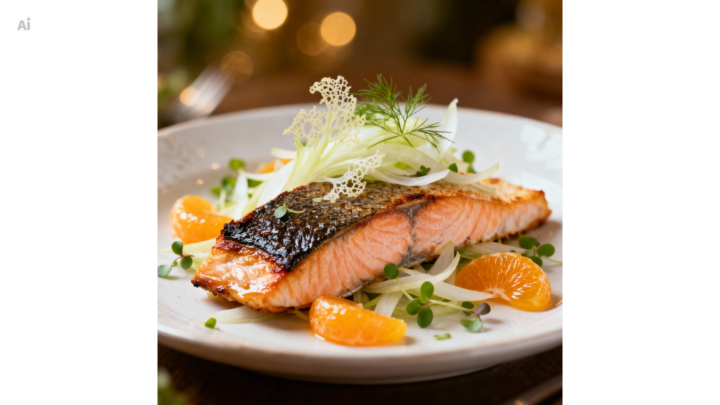
Miso-Marinated Black Cod Ingredients (2 portions): - 2 black cod fillets  - ½ cup white miso paste  - 2 tbsp mirin  - 2 tbsp sake  - 2 tbsp sugar  Method: 1. Whisk miso, mirin, sake, sugar into marinade.  2. Coat fish, refrigerate 24–48 hrs.  3. Wipe off excess marinade, broil 8–10 min until caramelized. Tip: Marinate 24–48 hrs for depth; broil quickly for caramelized finish. Pro Tip: Don’t overcook—fish should flake but remain buttery. Plating Idea: Place on bamboo leaf, garnish with pickled ginger and sesame.
Miso-Marinated Black Cod
1-12 of 12
powered by
Foodservice Alliance
skool.com/foodservice-alliance-4761
“Where the Industry Connects”
Build your own community
Bring people together around your passion and get paid.
Powered by